


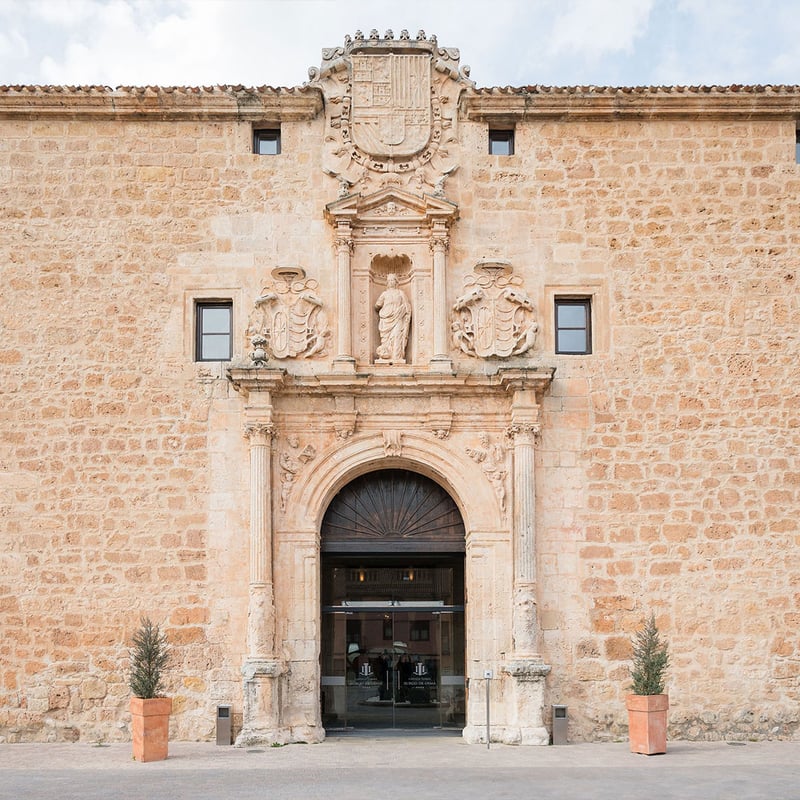
A 16th-century university building in medieval Soria now serves wine country visitors seeking thermal wellness. The Universidad de Santa Catalina's Renaissance courtyard, crowned by a contemporary glass ceiling, anchors communal spaces, while a subterranean spa reveals Romanesque frescoes beside spring-fed thermal pools. Cloister suites feature working fireplaces and soaking tubs—a contemplative retreat for travelers exploring Ribera del Duero's vineyards.
Ribera del Duero Travel Guide: Best Hotels, Restaurants & Experiences 
Explore Ribera Del Duero
Hotels (1)
Restaurants (5)
Where to Stay
Where to Eat

★ Michelin· Green Star ●
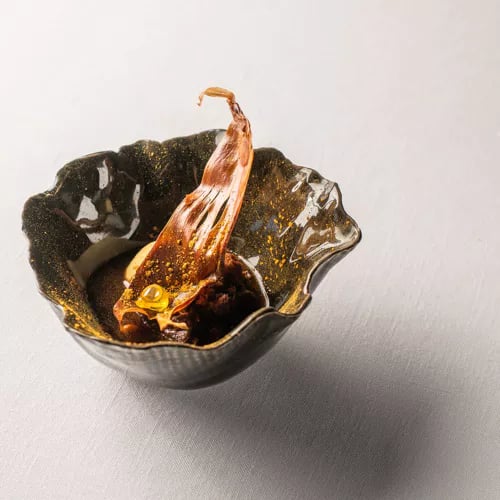
Beneath the silhouette of Peñafiel Castle, the Pago de Carraovejas estate houses this one-starred dining room where Chef Cristóbal Muñoz explores preservation techniques ancient and modern through his Cellarium tasting menu. A cellar of 5,600 labels accompanies plates that culminate in Miel, a dessert honoring the estate's own beehives. The Michelin Green Star confirms a genuine sustainability commitment.

★ Michelin
Third-generation chef Elena Lucas runs this one-Michelin-starred temple to wild mushrooms in the Soria pine forests, the restaurant's name honoring her grandmother Luciana Lobo. Each funghi specimen is hand-brushed only on the day of service, appearing in creations like thyme cuajada with fermented pine nut honey. Husband Diego Muñoz guides the wine pairings, completing an intimate woodland narrative told through plate and glass.

★ Michelin· Green Star ●
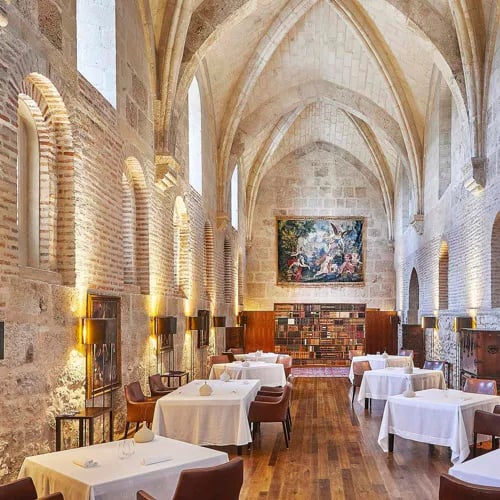
A twelfth-century monastery amid Ribera del Duero vineyards provides the dramatic backdrop for chef Marc Segarra's one-starred cooking. Dinner begins with an aperitif in La Cueva, the estate's private wine cave, before guests choose among three tasting menus—Terroir, Origin, or Legacy. Segarra's creativity shines in dishes like a fourteenth-century escabeche and monkfish enriched with wine lees, ingredients drawn from the estate farm and local producers.

★ Michelin· Green Star ●
An interactive tunnel draws diners into this one-starred restaurant within the Arzuaga bodega, where floor-to-ceiling windows frame both vineyard operations and open kitchen theatre. The Reserva and Gran Reserva tasting menus showcase creative cooking with pronounced game influences, supplied by ingredients from an estate garden cultivating over one hundred species—a commitment recognized with a Michelin Green Star.

Michelin Selected
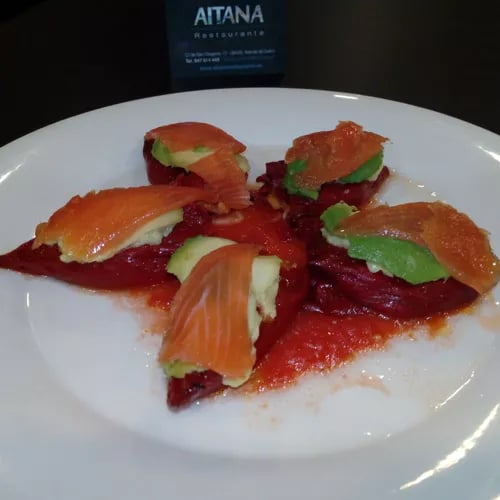
Aitana anchors its cooking in the wood-fired oven visible from the dining room, where red meats and seasonal vegetables emerge with characteristic char and depth. The kitchen's commitment to regional tradition shows in its IGP Castilla y León baby lamb, available by advance order, and a dedicated Ribera set menu. A front tapas section offers lighter grazing before the main event.

Michelin Selected
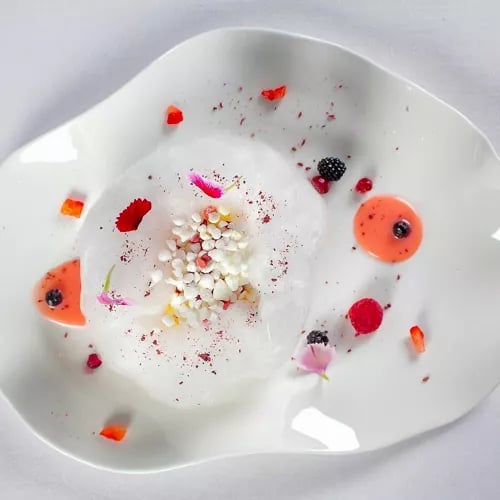
Perched above the Cepa 21 bodega, one of Ribera del Duero's most celebrated wineries, this bright contemporary dining room frames sweeping vineyard panoramas through expansive windows. Two tasting menus showcase seasonal ingredients with meticulous, artistic presentation, each course designed to complement the estate's acclaimed wines. Guests can extend the experience with guided winery tours—bookable in advance—and browse the on-site boutique.

Michelin Selected
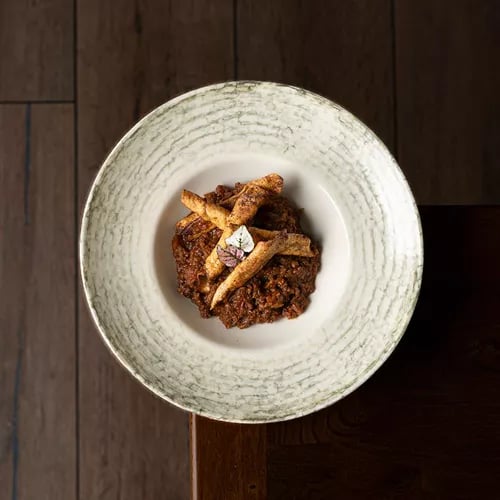
A young couple's passion project steps from Peñafiel's Plaza del Coso, Curioso builds its market-driven menu around bold reinterpretations of Castilian staples. Lamb trotter gyoza and venison bolognaise with fresh pasta reveal a kitchen fluent in both regional tradition and global technique, while the signature croissant layered with braised oxtail and béarnaise demonstrates confident, playful ambition throughout the tasting menu.
Frequently Asked Questions
What is the best time of year to visit Ribera del Duero?
+
Autumn brings the grape harvest and golden vineyards, while late spring offers mild temperatures ideal for exploring villages on foot. Summers can be intensely hot on the meseta, and winters are cold but atmospheric, with fewer visitors and crackling fires in rural guesthouses.
How do I get to Ribera del Duero from Madrid?
+
The region lies roughly two hours north of Madrid by car along the A-1 motorway. Aranda de Duero serves as the main gateway, and several wine towns are accessible via regional buses, though a car offers the most flexibility for vineyard visits and village-hopping.
Can I visit wineries without a car?
+
Some larger estates offer transfer services, and guided wine tours departing from Aranda de Duero or Valladolid include transportation between bodegas. However, the scattered geography of the region makes independent exploration significantly easier with your own vehicle.
Nearby Destinations
Explore Spain

Ribera Del Duero
The Ribera del Duero stretches across the high Castilian plateau where the Duero River has carved a valley through limestone and clay. This is Tempranillo country, and the landscape alternates between endless vine rows, medieval stone villages, and the ochre ruins of monasteries that once shaped the region's winemaking traditions. Towns like Peñafiel, dominated by its ship-shaped castle, and Aranda de Duero, known for its underground cellars, anchor the route.
Accommodation here favors converted estates and rural retreats over urban hotels. Former bodegas have become design-led guesthouses; centuries-old farmsteads now offer rooms overlooking the vineyards that produce some of Spain's most celebrated reds. The regional table follows suit — roast lamb from wood-fired ovens, morcilla from Aranda, and local cheese aged in wine caves. Dining tends toward the unhurried and substantial, matching the wines poured alongside.