


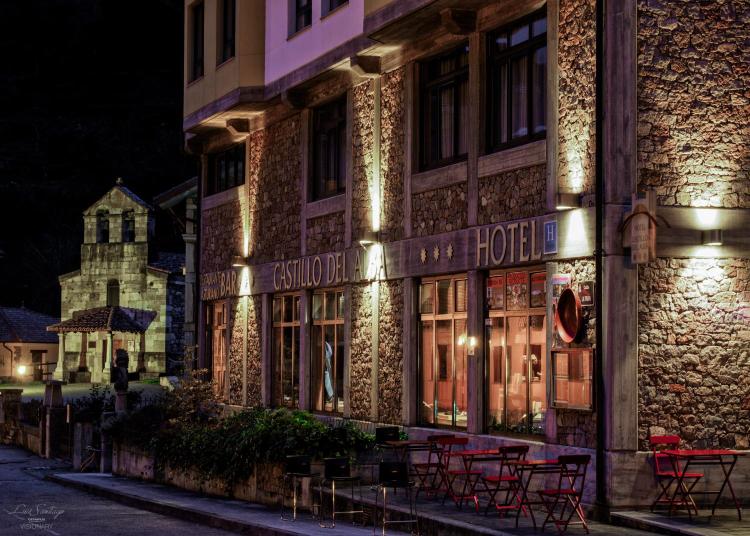
A mountain retreat with unexpected flair, Hotel Castillo del Alba delivers contemporary style in the remote Asturian highlands. The lively on-site restaurant and bar anchor village life, while family rooms fitted with bunk beds and a children's menu make it a practical choice for multigenerational groups. Beyond the hotel, the surrounding terrain offers serious hiking and the rare chance to spot wild brown bears.
Oviedo Travel Guide: Best Hotels, Restaurants & Experiences 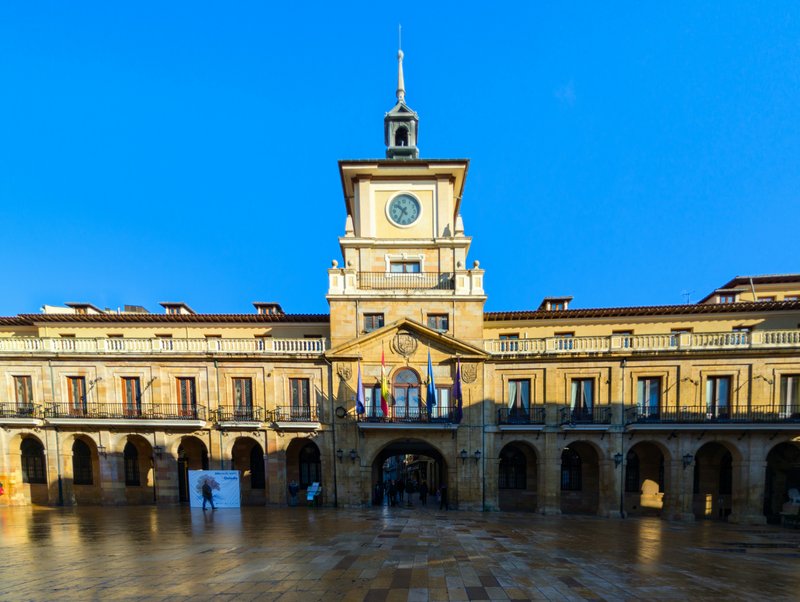
Explore Oviedo
Hotels (1)
Restaurants (7)
Where to Stay

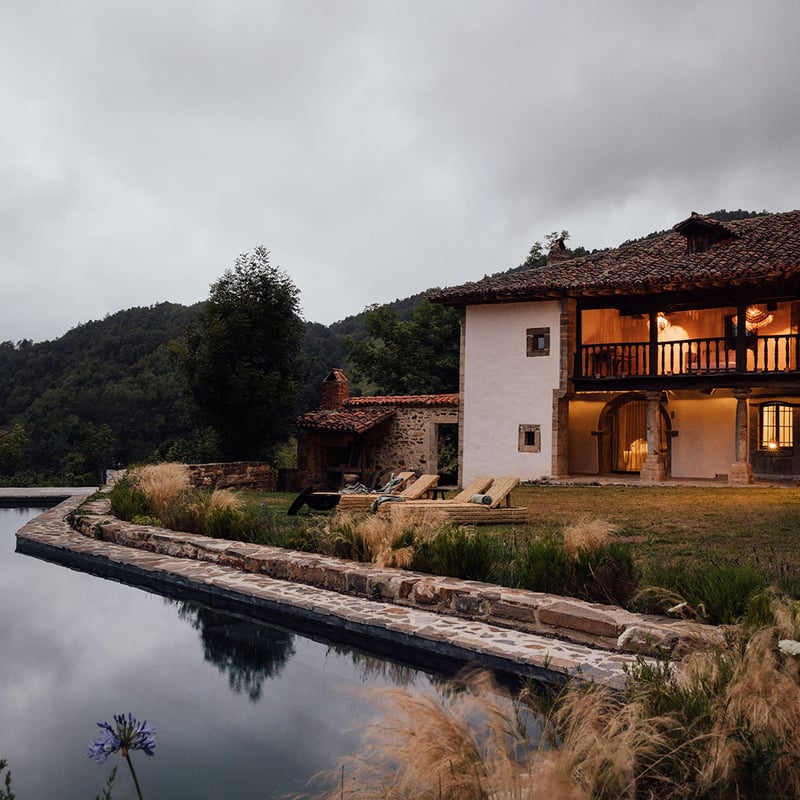
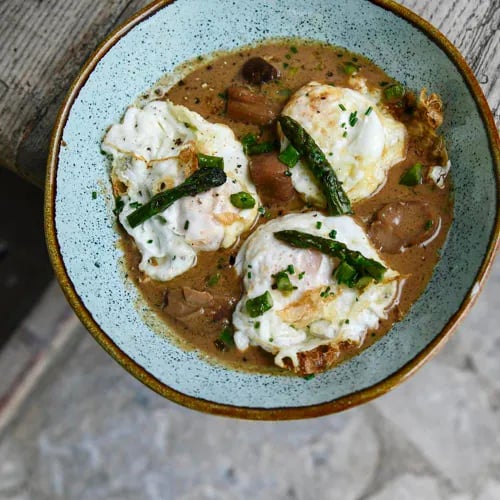
A 15th-century palace in Asturias's Las Ubiñas Natural Park, Solo Palacio embraces wabi-sabi philosophy—its eleven adults-only apartments deliberately imperfect, mixing European antiques with Asian objets across rough-hewn stone walls. An infinity pool surveys the forested valley below; Solo Bistró showcases local mushroom varieties in inventive mountain cuisine. The property operates as a non-profit, channeling revenue into regional environmental projects.
Where to Eat

★ Michelin
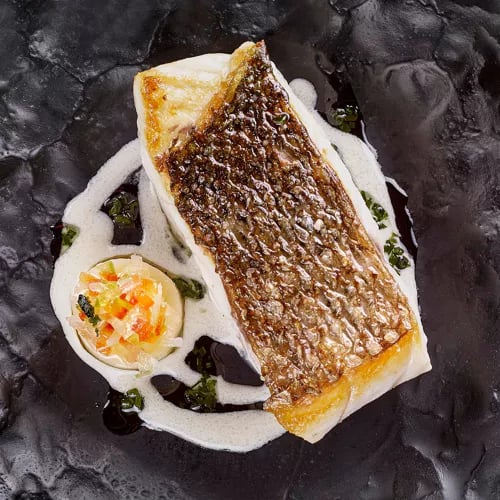
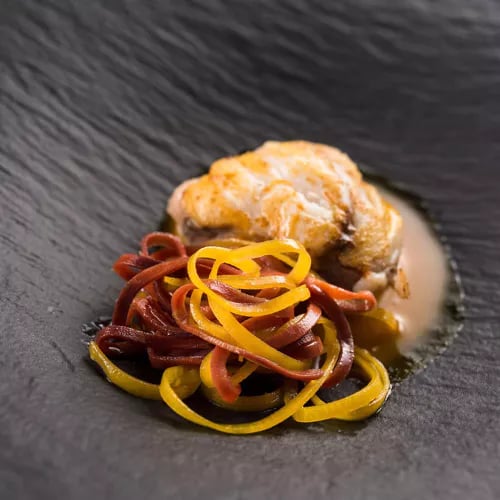
Waves break against the sandy shore as diners at this Michelin-starred table contemplate the Cantabrian Sea and Philippe Cousteau's anchor museum. Chef Isaac Loya upholds a family legacy spanning three generations, most notably through the signature sea bass with champagne devised by his grandfather Félix fifty years ago. His dual repertoire—pristine coastal seafood alongside inventive fine-dining compositions—unfolds through two tasting menus that shift with the seasons.

Michelin Selected
Chef Vicente Cabal's open kitchen delivers a masterclass in Asturian tradition meets Mediterranean creativity. His career across Spain's top kitchens culminates here in dishes that earned the 2022 world's best fabada award—a serious credential for any bean stew enthusiast. The signature tasting menu showcases this balance between heritage and invention, making it essential dining for travelers seeking Oviedo's most accomplished traditional cuisine.

Michelin Selected
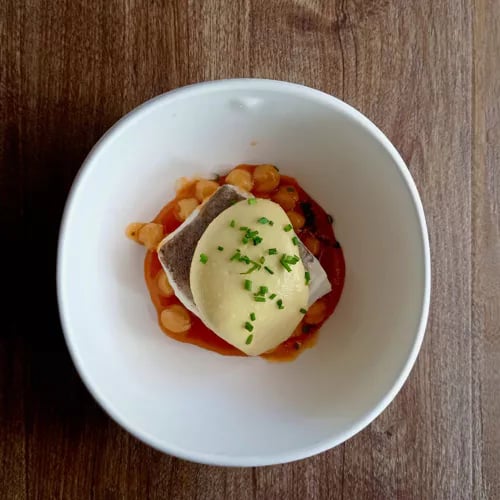
Along the river Nalón, chef Pedro Martino has reclaimed the riverside premises once home to the Michelin-starred L'Alezna, now bearing his own name. Two menus define his approach: Orígenes Tradición honors classics like Caldo de Pote, the ancestral stew predating fabada, while Orígenes Degustación reinterprets heritage through refined small bites—salt-cured Caramietcha, onion delicately stuffed with tuna and liquid yolk, pristine wild turbot. Panoramic dining rooms frame the Asturian countryside.

Michelin Selected
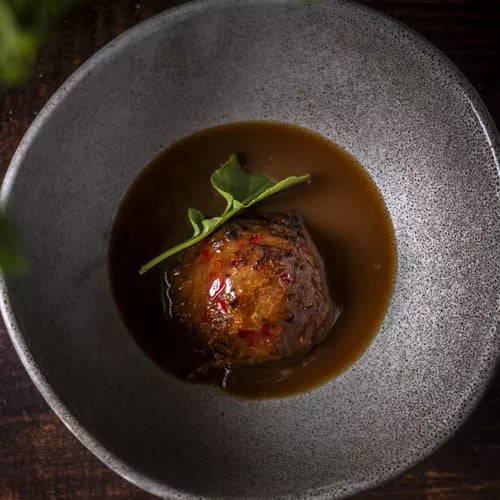
Beneath the arches of a residential building in Posada de Llanera, chef Ángel Martínez de Marigorta applies a delicate, contemporary touch to Asturian cuisine. Guests begin at a spacious private bar before settling into dishes like crab balls with broth or pigeon with spinach—plates that privilege flavor through meticulous presentation. Two tasting menus, Raíces and Arraigo, offer deeper exploration of the region's culinary roots.

Michelin Selected
Brothers Vicente and Iván run this rustic-contemporary bistro with the convivial spirit of a neighborhood casa de comidas, yet their cooking reveals serious ambition. The liquid La Peral cheese croquettes have earned cult status, while spider crab ravioli with fennel demonstrates refined technique applied to Asturian traditions. Flexible formats—à la carte, tasting menus, half-portions—suit both quick lunches and leisurely dinners.

Michelin Selected
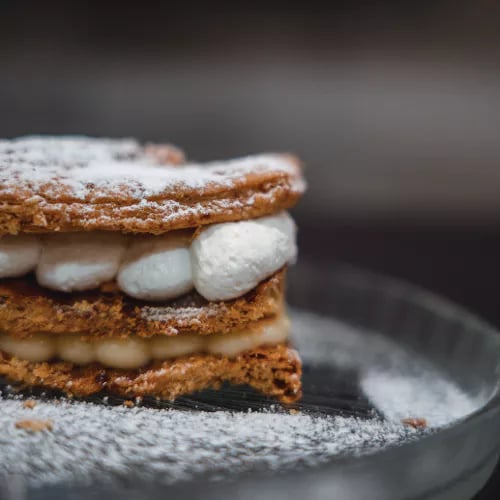
Three generations of the same family have shaped this authentic Asturian chigre in the small parish of Turón, a short drive from Oviedo. The kitchen champions regional home cooking—slow-simmered stews built on quality ingredients, legendary ham croquettes that draw devoted regulars, and a cream-laden millefeuille worth planning around. Unpretentious, flavour-driven, and deeply rooted in local tradition.

Michelin Selected
Asturian culinary tradition finds refined expression at this Mieres dining room, where the celebrated pitu de caleya—free-range chicken raised in mountain pastures—anchors a menu that deftly balances regional roots with contemporary sensibility. Service operates with quiet precision, attentive yet unobtrusive. The lunchtime set menu offers accessibility, while the full carte reveals fusion influences threaded through classic preparations with meticulous care.

Michelin Selected
Surrounded by Asturian mountains, this secluded retreat draws devoted guests back to owner-chef Dulce Martínez's kitchen. Her traditional home cooking—refined yet deeply flavourful—showcases regional treasures: cornbread paired with tangy Afuega'l Pitu cheese, the classic pitu de calella con arroz. Two tasting menus offer choice within structure, each dish presented with careful attention. Reservations essential; tables fill quickly.

Michelin Selected
Siblings Esther and Nacho Manzano run this informal Oviedo address with an emphasis on generous sharing plates. The kitchen turns out traditional tapas and raciones alongside a handful of contemporary preparations, all built for convivial tables. A midweek lunch menu with wine included offers accessible entry, while the namesake Gloria menu showcases the house signatures. Michelin Plate distinction confirms the reliable standard.
Frequently Asked Questions
What makes pre-Romanesque architecture significant in Oviedo?
+
Oviedo preserves rare ninth-century churches — Santa María del Naranco and San Miguel de Lillo — from the Asturian kingdom, predating Romanesque architecture elsewhere in Europe. These UNESCO-listed buildings on Monte Naranco feature distinctive barrel vaults and sculptural details that influenced later medieval construction across the continent.
How does the traditional cider-pouring ritual work in Asturian sidrerías?
+
Escanciado involves holding the bottle high overhead while pouring into a wide glass held at hip level, aerating the cider to release its effervescence. Each pour — called a culín — is small, meant to be drunk immediately. In traditional sidrerías along Calle Gascona, this ritual accompanies meals and tapas throughout the evening.
Which neighborhoods are best for exploring Oviedo on foot?
+
The casco antiguo around the cathedral offers medieval streets and ecclesiastical monuments, while El Fontán hosts a covered market and morning café culture. The ensanche district provides elegant nineteenth-century architecture and the green expanse of Campo de San Francisco. All three connect easily within a twenty-minute walk.
Nearby Destinations
Explore Spain



Oviedo
The capital of Asturias sits on a gentle hillside, its medieval old town clustered around the ninth-century Cámara Santa and the flamboyant Gothic cathedral that followed. Beyond the ecclesiastical quarter, the Calle Gascona runs thick with traditional sidrerías where cider is poured from height with theatrical precision — a ritual that defines local hospitality. The surrounding streets of El Fontán preserve a morning market atmosphere, while the nineteenth-century ensanche stretches toward the Campo de San Francisco park with its peacocks and ancient oaks.
Oviedo rewards the visitor who lingers. The pre-Romanesque churches of Santa María del Naranco and San Miguel de Lillo crown Monte Naranco just outside the city, their thousand-year-old stonework a reminder of the Asturian kingdom's early medieval ambitions. Back in the centro, restaurants serve fabada asturiana and local cheeses like Cabrales with the same pride found in any European gastronomic capital. The city's scale remains human — cathedral to cider house to hillside chapel, all within easy reach.