


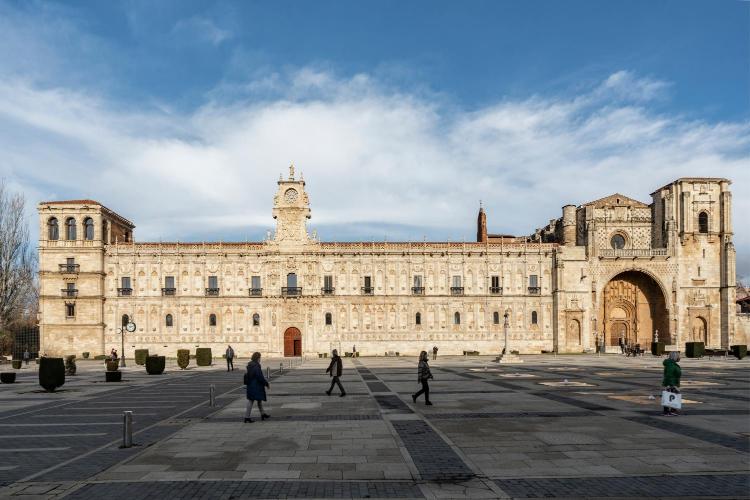
Behind the lavishly carved Renaissance façade of the sixteenth-century Hostal de San Marcos lies a five-star parador whose art collection rivals regional museums. Recent renovations have introduced contemporary comforts to the spacious rooms without diminishing the historic grandeur—guests still wake with the unmistakable sensation of inhabiting a castle. Families find flexibility in suites and adjoining rooms, though the atmosphere leans contemplative rather than playful.
León Travel Guide: Best Hotels, Restaurants & Experiences 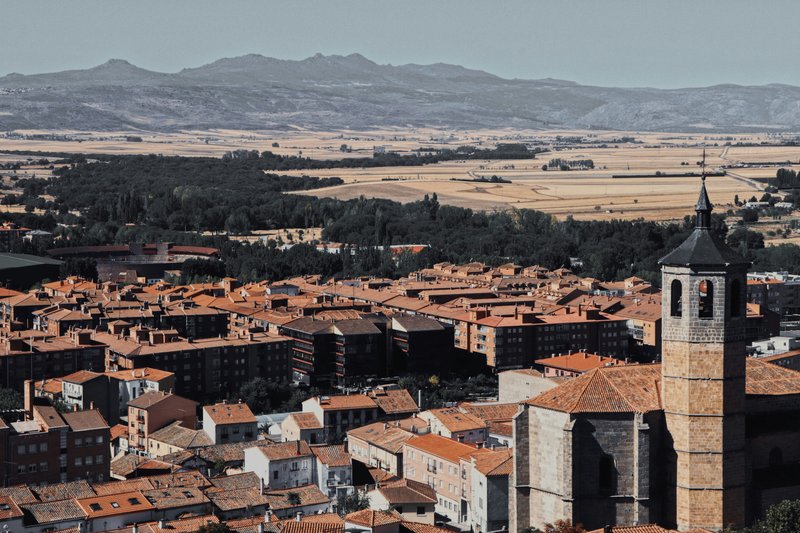

Explore Leon
Restaurants (8)
Where to Stay
Where to Eat

★ Michelin· Green Star ●
Chef Xune Andrade returned to his native Asturian village to build a restaurant around radical locality—every ingredient sourced within twenty kilometers through a dedicated network of farmers and foragers. The rustic-contemporary dining room offers two tasting menus, Paseo por el Monte and Ruta por el Monte, paired with regional wines or cider. A Michelin Star and Green Star confirm the approach: traditional cuisine, contemporary execution, uncompromising sustainability.

★ Michelin
Inside the 18th-century Casa del Peregrino, adjacent to the monumental San Marcos, chefs Yolanda León and Juanjo Pérez have built a one-Michelin-star kitchen rooted in radical transparency. Their two tasting menus shift weekly with the seasons, showcasing León's finest produce through technically precise, farm-to-table cooking. Afterward, coffee in the garden—framed by the medieval church and modern concert hall—extends the experience into something memorable.

★ Michelin
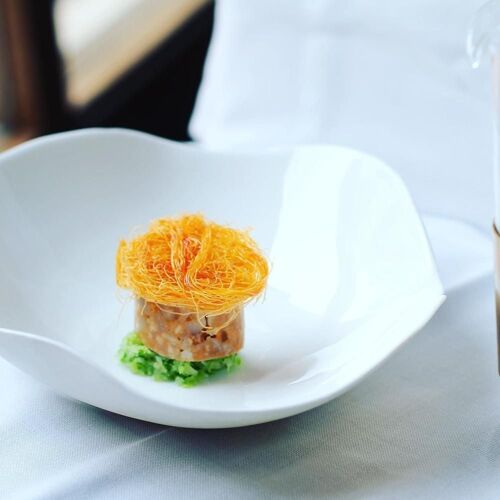
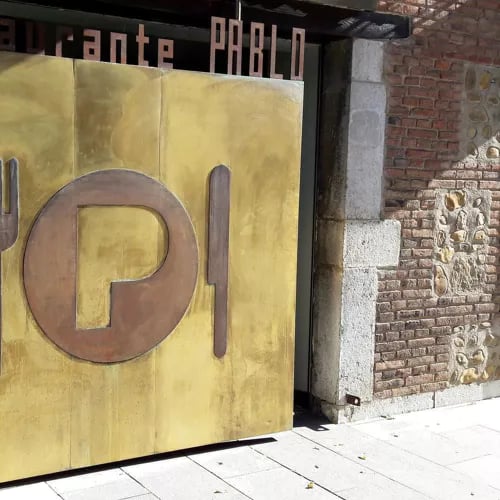
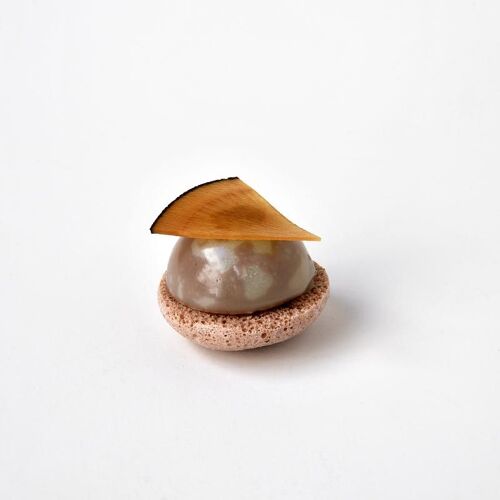
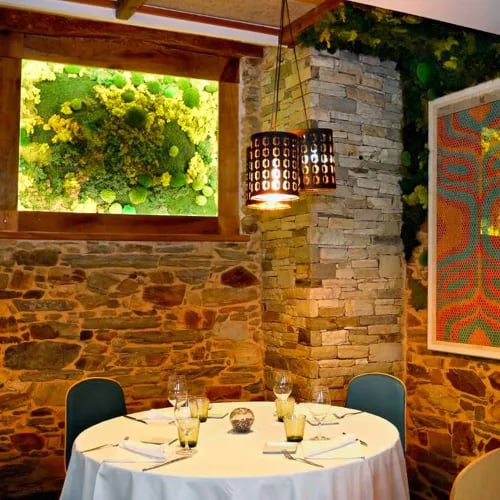
Steps from León's magnificent Pulchra Leonina cathedral, Pablo has flourished under family stewardship for over fifty years. Chef Juanjo Losada, alongside founder's daughter Yolanda Rojo, crafts a single tasting menu of cutting-edge Leonese cuisine sourced from small regional producers. The signature bollo minero—creamy bacon crowned with caviar—exemplifies his inventive approach, served beneath a striking contemporary wood-panelled ceiling.

Michelin Selected
Named for the chef's mother Camino, Kamín occupies a prime corner of León's Barrio Húmedo with an open kitchen that doubles as theatre. The cooking runs bold and contemporary—pickles and fermentations lending distinctive tang to two seasonal tasting menus, Origen and the more expansive Kamín. Market-driven and uncompromising, it rewards diners seeking intensity over refinement. Sweet enthusiasts should note La Postrería Kamín nearby.

Bib Gourmand
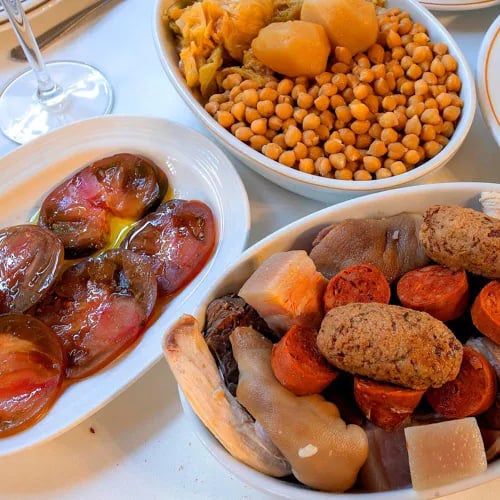
A former stone dairy in Val de San Lorenzo—a village celebrated for its handwoven blankets—now houses this Bib Gourmand table serving robust Maragatería cooking. The signature Cocido Maragato stew, available only by advance order, anchors a menu of cured meat croquettes and duck risotto studded with wild mushrooms. A 300-year-old loom inside nods to the region's textile legacy.

Bib Gourmand
Javier and Ángela's Bib Gourmand restaurant occupies a lively corner of León's Húmedo district, its open kitchen drawing diners into the creative process. Two tasting menus chart distinct territories: Corta Distancia honors regional traditions from Galicia, Andalucía, and León itself, while Larga Distancia ventures toward Italy, Japan, Peru, and Mexico. Each course arrives with detailed explanation, transforming dinner into an intimate education in contemporary Spanish cuisine.

Bib Gourmand
In a pedestrian-only Maragato village where visitors must leave their cars at the gate, this Bib Gourmand table preserves a centuries-old ritual: the Cocido Maragato, served in reverse order—meat first, chickpeas second, broth to finish. The Navarra-born chef refines the tradition further, smoking and curing every component on-site from local ingredients, creating his signature Cocido Coscolo with subtle personal flourishes.

Bib Gourmand
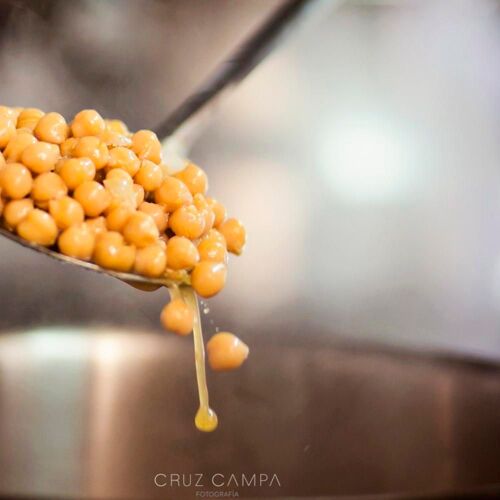
Steps from Gaudí's Episcopal Palace, this family-run Bib Gourmand address has built its reputation on Cocido Maragato, the Leonese stew served in reverse order—meat first, chickpeas second, broth to finish. The fixed-price menu includes wine and coffee, making it an unhurried midday ritual. Guests smitten with the house chickpeas can purchase them to attempt the dish at home.

Michelin Selected
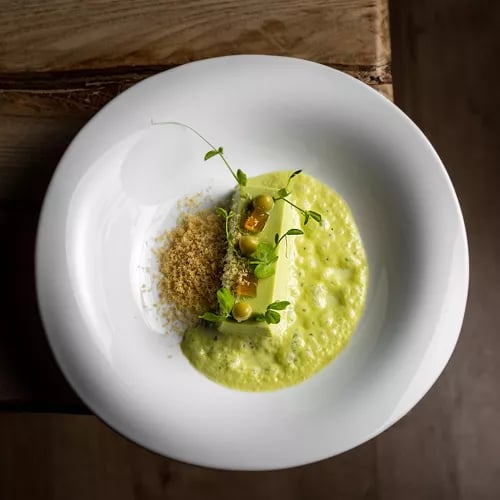
Named for the Carea Leonés shepherd dog, this contemporary bistro opposite León's Roman walls channels regional devotion through every plate. Ana and Mario's kitchen transforms seasonal provincial ingredients with subtle fusion accents—their signature burrata arrives with mangetout and pistachio pesto, a dish that captures the menu's balance of local tradition and creative impulse. Intimate, personal, unmistakably Leonese.

Michelin Selected
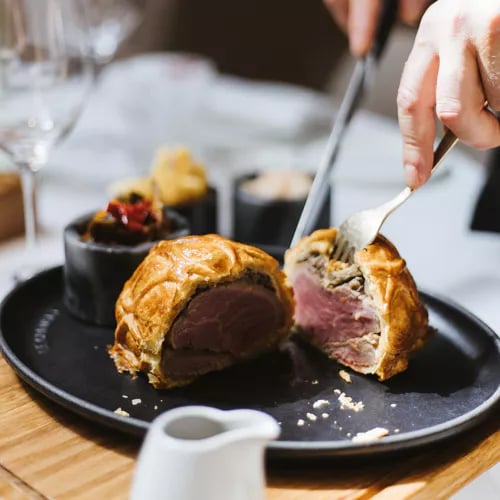
Steps from the Museo Casa Botines Gaudí, Marcela splits its personality across two floors—casual tapas below, refined dining above—linked by a glass floor with a water feature running beneath. The modern kitchen works from daily market arrivals, building toward signatures like Sirloin Wellington prepared to order. Friday and Saturday evenings bring live music through a partnership with the city's auditorium, turning dinner into an impromptu concert.
Frequently Asked Questions
What is the Barrio Húmedo and why is it significant?
+
The Barrio Húmedo, or 'wet quarter,' is León's historic tapas district named for its concentration of bars and taverns. Centered around Plaza de San Martín, this medieval neighborhood maintains the tradition of serving a free tapa with each drink — a custom increasingly rare elsewhere in Spain. The narrow streets fill each evening as locals move between establishments, making it the social heart of the city.
What regional dishes define León's culinary identity?
+
León's cuisine reflects its position between mountain and meseta. Cecina de León, protected by denomination of origin, is beef cured for months in the cold mountain air until it develops an intense, slightly smoky character. Morcilla leonesa uses rice and onion, distinguishing it from Burgos versions. Cocido maragato, from the Maragatería region west of the city, inverts the traditional serving order — meats arrive first, followed by chickpeas, then broth.
When is the best time to visit León?
+
Late spring and early autumn offer mild temperatures ideal for exploring on foot, though León rewards visits year-round. Holy Week brings elaborate processions through the old quarter, while the Fiestas de San Juan y San Pedro in late June transform the city with concerts and outdoor gatherings. Winter can be cold but atmospheric, with fewer visitors and the chance to experience hearty mountain cooking in its proper season.
Nearby Destinations
Explore Spain


Leon
León occupies a strategic position where the Bernesga and Torío rivers converge at the edge of the Cantabrian Mountains. The old quarter, Barrio Húmedo, earned its name from the density of bars along streets like Calle Ancha and Plaza de San Martín — locals still observe the ritual evening paseo before settling into prolonged tapas sessions. The Gothic cathedral, with its 1,800 square meters of medieval stained glass, dominates the skyline and sets the architectural tone for a city that served as capital of the Christian kingdom during the Reconquista.
Beyond the cathedral, the Romanesque Basílica de San Isidoro houses royal tombs and frescoes that predate most European equivalents. The Barrio Romántico offers quieter streets with medieval monasteries converted into cultural spaces. León's food culture centers on cecina (air-dried beef), morcilla (blood sausage), and cocido maragato — a hearty stew served in reverse order, meat first. The contemporary dining scene has evolved alongside these traditions, with younger chefs reinterpreting Leonese ingredients in spare, modern settings around the Plaza Mayor.