


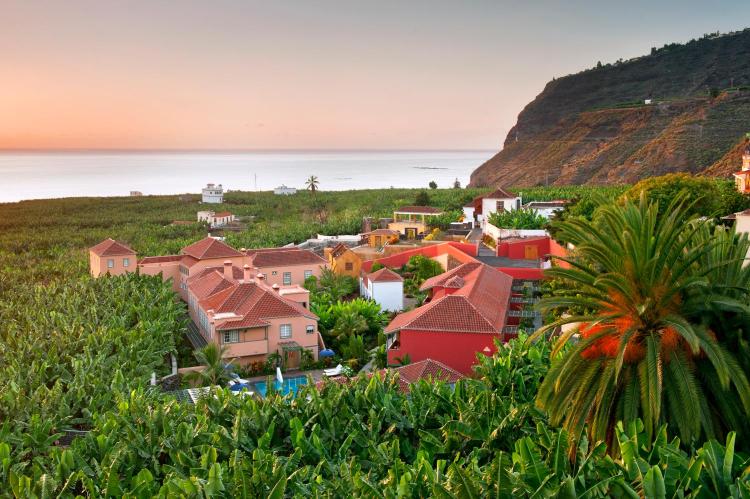
A former sugar estate in Tazacorte, Hotel Hacienda de Abajo displays museum-caliber artworks throughout its historic spaces. Guest rooms follow a breezy, marine-inspired palette that echoes the island's coastal character. The adults-only policy ensures tranquility, while an on-site spa and refined restaurant complete the offering. Art collectors and couples seeking cultured seclusion will find this property particularly compelling.
La Palma Travel Guide: Best Hotels, Restaurants & Experiences 
Explore La Palma
Hotels (4)
Restaurants (1)
Where to Stay

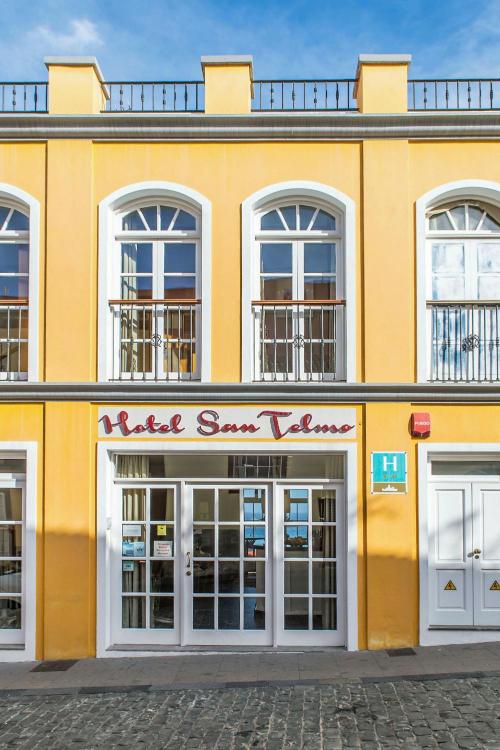
A 17th-century townhouse in Santa Cruz de La Palma's historic quarter now operates as an intimate boutique hotel with just a handful of rooms. Owner-operators ensure attentive, personal service throughout, from arrival to the morning breakfast spread. The property includes a family studio with kitchenette, making it suitable for travelers with children seeking authentic Canarian architecture without resort-scale anonymity.

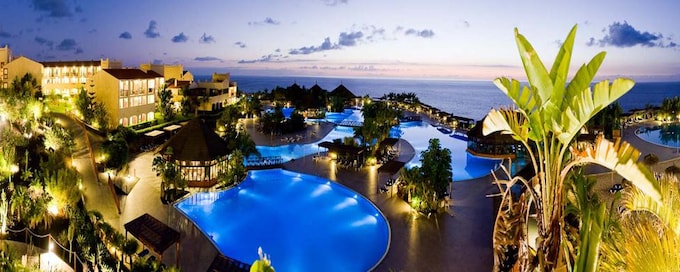
On La Palma's sun-drenched southwestern coast near Fuencaliente, this resort channels traditional Canarian architecture through low-slung buildings wrapped in sub-tropical gardens. The swimming pool complex ranks among the Canary Islands' finest—a sprawling aquatic playground that anchors the property's appeal for both couples seeking tranquility and families drawn to the kids' club, adventure playground, and mini golf scattered across the grounds.

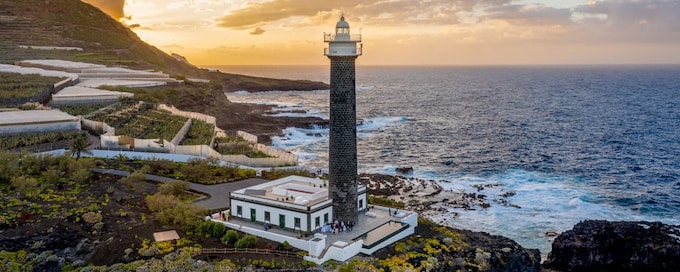
A functioning lighthouse on La Palma's northeastern coast — the first in the Canaries converted to accommodation — this intimate retreat pairs maritime heritage with striking design. Guests swim laps in an infinity pool overlooking the Atlantic, then retreat to a patio for evening wine as the beam sweeps overhead. The volcanic garden of cacti and black picón provides a dramatic backdrop, while a two-bedroom suite accommodates families seeking bragging rights.
Where to Eat

Michelin Selected
A handsome Spanish colonial house at a La Palma crossroads sets the stage for contemporary Canarian cooking rooted in tradition. The kitchen excels with fresh fish—the island's catch prepared with notable skill—while seasonal specials extend beyond the printed menu. Starters arrive designed for sharing, a deliberate nod to the convivial spirit that defines the table here.
Frequently Asked Questions
What makes La Palma's stargazing conditions exceptional for visitors?
+
La Palma holds UNESCO Starlight Reserve status with some of the world's clearest skies. The Roque de los Muchachos hosts major international observatories, and strict light pollution laws across the island ensure optimal conditions for astronomical observation year-round.
Which areas of La Palma offer the best access to beaches and coastal activities?
+
The western coast around Puerto Naos and Tazacorte features the island's most accessible black sand beaches and calm waters. The eastern shore near Santa Cruz offers natural rock pools, while Fuencaliente in the south has volcanic beaches formed by recent eruptions.
How does La Palma's volcanic landscape influence the island experience?
+
The 2021 Cumbre Vieja eruption reshaped the southwestern coast, creating new geological formations now integrated into visitor itineraries. The Caldera de Taburiente offers dramatic hiking through volcanic terrain, while the Ruta de los Volcanes trail traverses the island's spine past historic craters.
Nearby Destinations
Explore Spain



La Palma
La Palma rises from the Atlantic as the greenest of the Canary Islands, its volcanic peaks draped in ancient laurisilva forests that date back to the Tertiary period. The capital Santa Cruz de La Palma preserves its colonial heritage along Calle Real, where wooden balconies overhang cobblestone streets and the Renaissance church of El Salvador anchors the Plaza de España. The western coast around Puerto Naos and Los Llanos de Aridane offers black sand beaches beneath banana plantations, while the Caldera de Taburiente — a massive erosion crater — dominates the island's center with hiking trails through Canarian pine forests.
The island's UNESCO Starlight Reserve designation has shaped its hospitality character, with properties positioning themselves around astronomical observation and the exceptional night skies visible from the Roque de los Muchachos observatory at 2,400 meters. Traditional Canarian cuisine centers on papas arrugadas with mojo sauces, fresh Atlantic fish, and the island's own wines from the steep Fuencaliente vineyards. The pace here remains deliberately unhurried — La Palma never developed mass tourism infrastructure, preserving instead a quieter authenticity that rewards extended exploration of its dramatic volcanic landscapes and traditional villages like Tazacorte and San Andrés.