


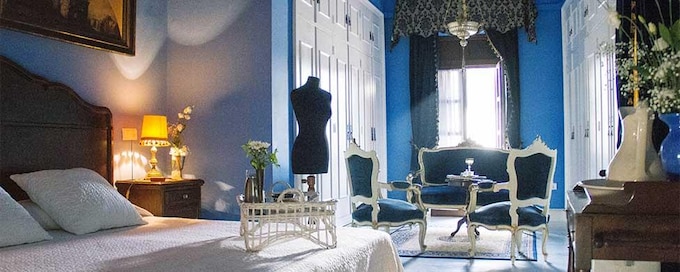
A nobleman's residence turned intimate hotel, Casa Palacio Jerezana fills its rooms with period antiques and retains both a private chapel and working bodega—rare even among Jerez's many historic palacios. The central location suits families particularly well: the VIP suite accommodates extra beds, and an adjoining annexe room expands capacity for larger groups exploring sherry country together.
Jerez de la Frontera Travel Guide: Best Hotels, Restaurants & Experiences 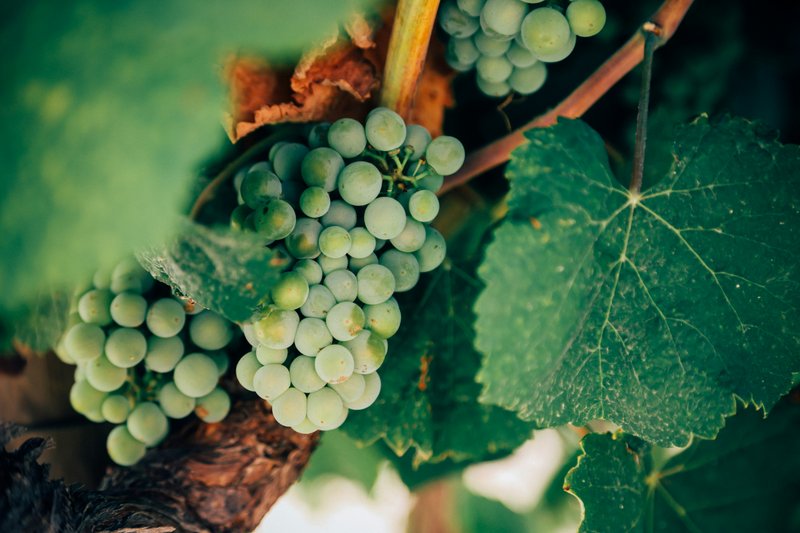
Explore Jerez
Hotels (3)
Restaurants (8)
Where to Stay

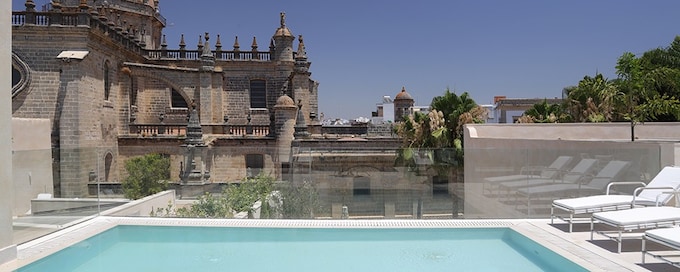
Tucked within the González Byass bodega complex, this intimate property occupies a cluster of restored historic houses reimagined as a boutique retreat. Antique-filled rooms exude romantic character, while the rooftop pool offers respite between sherry tastings in the surrounding cellars. Families benefit from interconnecting rooms, though the atmosphere tilts decidedly adult. A singular address for oenophiles seeking immersion in Andalusian winemaking heritage.

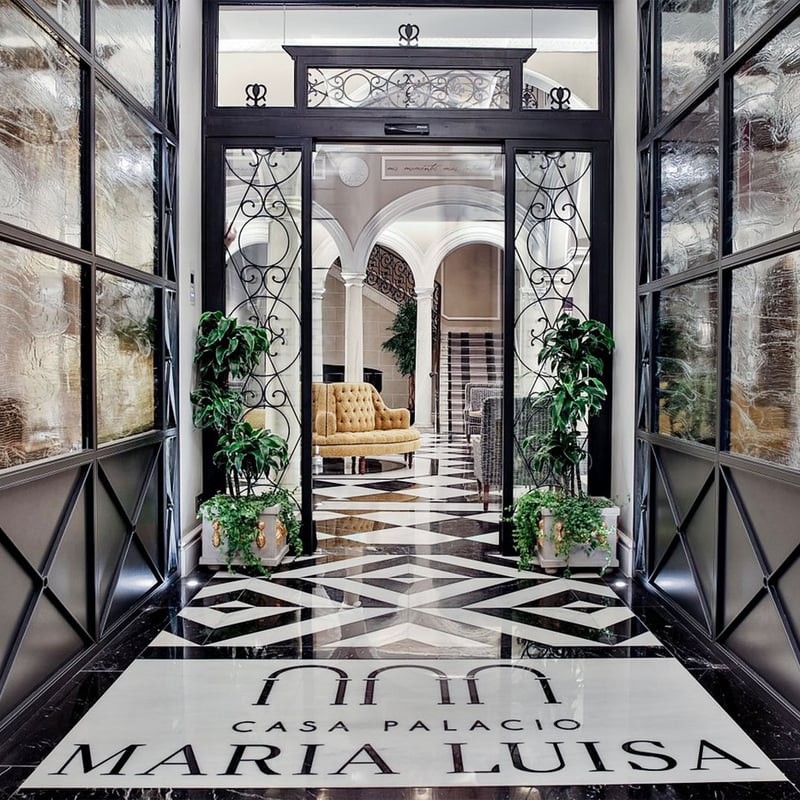
A former 19th-century casino turned intimate 21-room retreat, Casa Palacio María Luisa lets guests choose between Egyptian cotton, linen, or silk sheets—a telling detail of its meticulous approach to comfort. The restaurant channels the culinary traditions of Cádiz province, while a seasonal outdoor pool and landscaped garden offer respite from Andalusian afternoons. Pet-friendly, with golf courses nearby.
Where to Eat

★★ Michelin
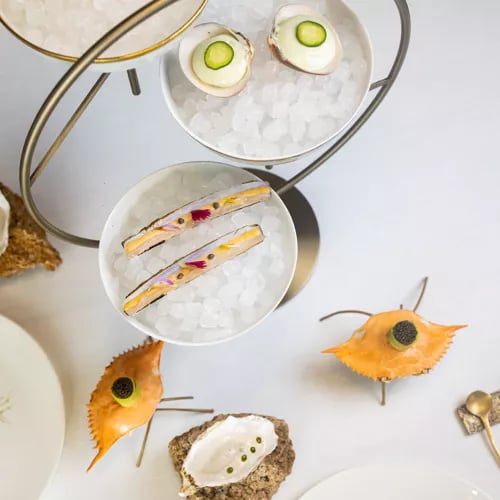
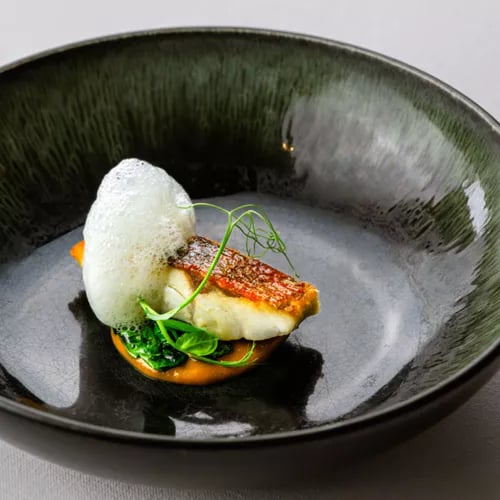
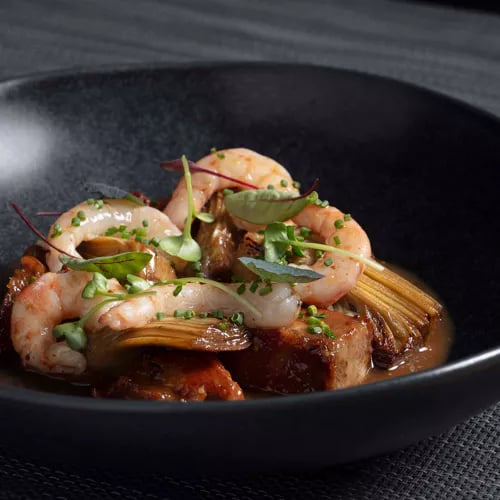
Juanlu Fernández describes his cooking as 'rearguard avant-garde'—classic French foundations filtered through Andalucian soul. Inside Jean Porsche's striking dining room, two tasting menus unfold: 'Duende' and 'Duxo', each transforming regional staples like sea bass stew 'a la roteña' through exacting technique. The wine program astounds with over 600 sherries, including rare bottles from defunct bodegas, making this two-Michelin-starred address essential for serious gastronomes.

★ Michelin
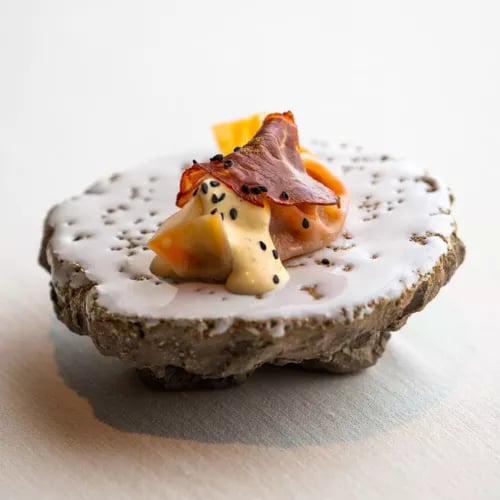
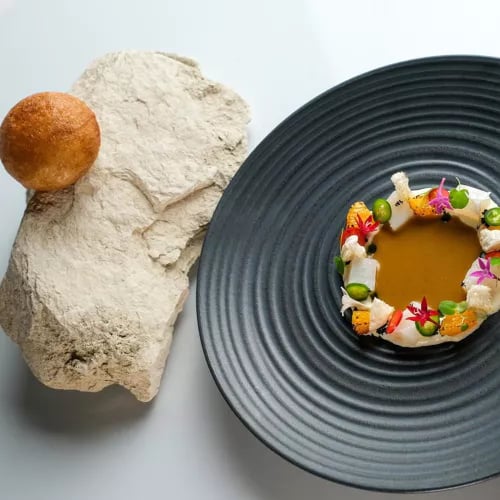
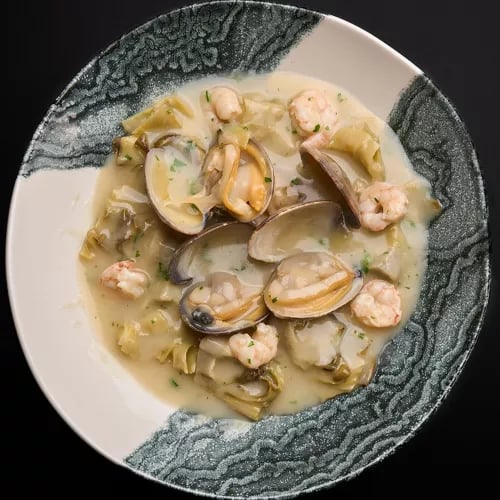
Named for a grape variety once prevalent in Jerez's vineyards, this one-starred table channels the soul of Andalucía through chef Israel Ramos's refined contemporary cooking. Two tasting menus—Arcilla and Caliza—replace conventional à la carte, each dish a meditation on local terroir. The cuttlefish stew anchors tradition to modernity, while expert wine pairings deepen the connection to sherry country's singular landscape.

Michelin Selected
Eight seats surround Chef Jaime Mena's counter at Akase, where Cádiz ingredients undergo Japanese transformation through a single tasting menu called Daimyo. Cuttlefish arrives sliced usuzukuri-style, blue crab steeped in sake, local whiting delicately cured. The finale turns playful: bubble tea infused with references to surrounding sherry bodegas. Reservations essential for this intimate show-cooking experience.

Michelin Selected
Soaring wooden ceilings and the honeyed air of a converted sherry bodega set the stage for cooking that honors Andalusian tradition while embracing modern technique. Tasting menus pair each course with local sherries and wines from Jerez, one sequence paying tribute to the legendary Lola Flores. The carabinero prawns with vine shoots and Palo Cortado captures the kitchen's confident, terroir-driven approach.

Michelin Selected
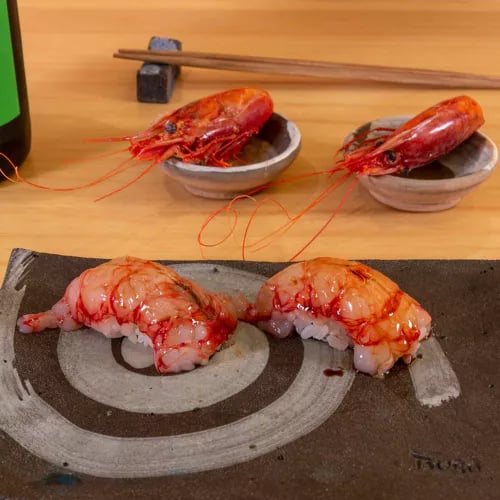
A single chef works the bar at this intimate Jerez address, orchestrating a three-hour Omakase that shifts with the market's daily yield. The concept—tsuro, Japanese for passageway—frames each meal as a crossing between Andalusian terroir and Japanese technique. Guests witness the rice ceremony and meticulous knife work up close, making this Michelin Plate holder an immersive study in precision rather than mere dinner.

Bib Gourmand
From its origins as a 1951 fishermen's taberna in Bajo de Guía, this Bib Gourmand address has grown into a three-generation institution. The upstairs dining room frames views of the Guadalquivir's mouth, while the kitchen delivers what draws pilgrims here: spectacular Sanlúcar prawns, fried seafood, and fish stews rooted in local tradition. The ground-floor taberna still pours Manzanilla alongside tapas and raciones.

Bib Gourmand
Inside the Posada de Palacio hotel, this Bib Gourmand seafood restaurant occupies beautifully converted spaces—one dining room housed in former stables—where antique furnishings meet rustic-contemporary design. The kitchen delivers modern presentations of local catch, with an à la carte offering half-portions for flexibility. An extensive sherries-by-the-glass selection pairs naturally with the coastal cuisine, while a tasting menu rewards those who book ahead.

Michelin Selected
A Mar occupies a narrow pedestrianised lane in Jerez's old quarter, its two dining rooms channeling distinct personalities while sharing a unified philosophy: the sea as an inexhaustible pantry. Guests select fish from a display cabinet before it meets the grill, though land holds equal sway here—Retinta, Rubia Gallega, and Pinta Cántabra beef receive the same precise treatment. Rice preparations and half-portion options encourage exploration.

Michelin Selected
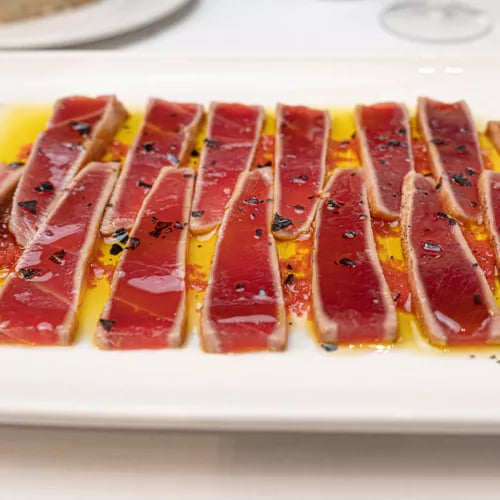
A stone's throw from the Royal Andalucian School of Equestrian Art, Albalá earns its Michelin Plate with a convivial approach to Andalucian cooking. The menu splits cleverly between Para Picar nibbles and Para Compartir sharing plates—tuna tartare, pan-fried fideos, Iberian pork meatballs paired with octopus. Stews, soups, and robust meat dishes round out an offering built for unhurried, generous meals.
Frequently Asked Questions
When is the best time to visit Jerez for flamenco?
+
The Festival de Jerez in late February and early March draws international flamenco artists for concentrated performances across historic venues. Year-round, the Santiago and San Miguel barrios host authentic peñas flamencas — private clubs that occasionally open to respectful visitors, particularly on Thursday and Saturday evenings.
How should I plan a sherry bodega visit?
+
Most bodegas require advance booking, especially for English-language tours. The major houses — Tío Pepe, Lustau, Tradición — offer formal tastings, while smaller producers like Bodegas Rey Fernando de Castilla provide more intimate experiences. Schedule visits for late morning when natural light illuminates the solera systems, and allow time afterward for lunch in the old town.
What is the Feria del Caballo and how can visitors participate?
+
Held in early May, this week-long horse fair combines equestrian displays with round-the-clock celebration. The González Hontoria fairground fills with striped casetas, most privately owned but some open to the public. Book accommodation months ahead, dress formally — traje corto for men, flamenco dresses for women — and prepare for a schedule that runs from afternoon parades until sunrise.
Nearby Destinations
Explore Spain



Jerez
The spiritual home of sherry wine and flamenco puro, Jerez de la Frontera rewards visitors who venture beyond Seville's shadow. The old town unfolds around the Alcázar and Cathedral, its narrow streets lined with aristocratic townhouses now converted to intimate hotels. The Santiago quarter — birthplace of legendary cantaores — pulses with authentic tablaos where families have performed for generations. Bodegas like González Byass and Lustau open their cathedral-like aging halls, the air thick with the ethereal aroma of oxidizing wine.
Dining here follows Andalusian rhythms: late lunches of oxtail stew and fried pescaíto, evenings spent grazing tapas along Calle Larga. The surrounding campina provides fino-washed gambas, Retinto beef, and artichokes from nearby Arcos. Spring brings the Feria del Caballo, when the city transforms into an equestrian showcase and private casetas serve rebujito until dawn. Beyond the festivals, Jerez maintains the unhurried elegance of provincial Andalusia — a place where afternoons dissolve in shaded patios and flamenco emerges spontaneously after midnight.