


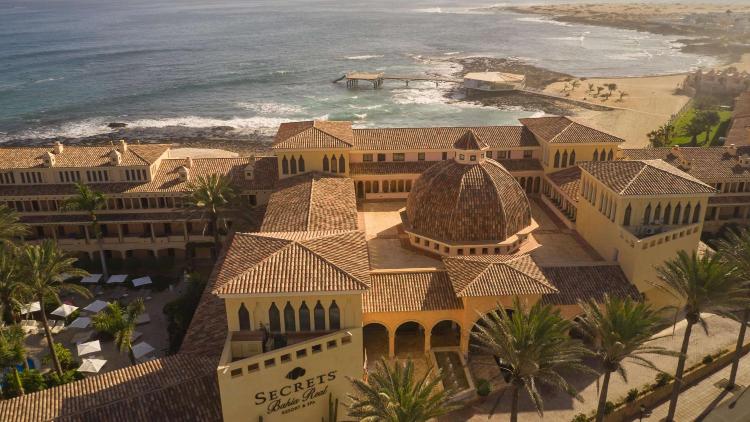
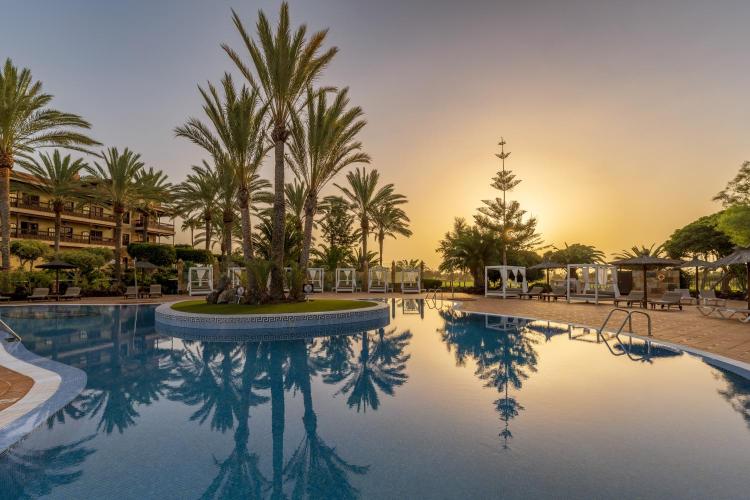
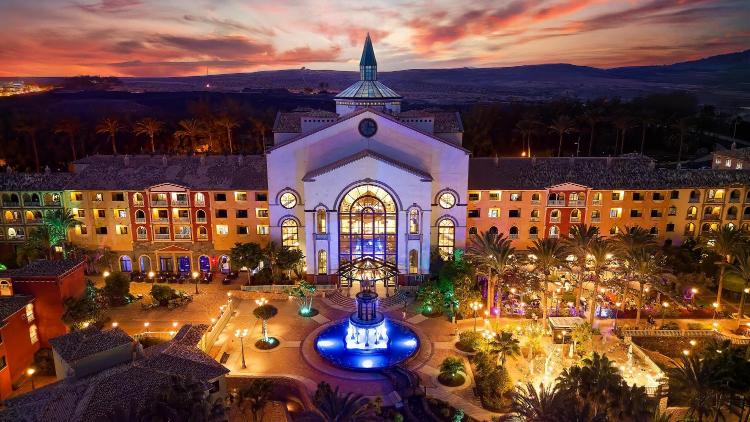
Moorish arches and Tuscan flourishes collide in theatrical fashion at this adults-only all-inclusive on Fuerteventura's northern coast, now operating under Hyatt management following a comprehensive 2021 renovation. Sinuous courtyard pools wind between the buildings, offering a resort experience calibrated for couples and solo travelers seeking sun without the presence of children. The predominantly British repeat clientele speaks to consistent delivery.
Fuerteventura Travel Guide: Best Hotels, Restaurants & Experiences 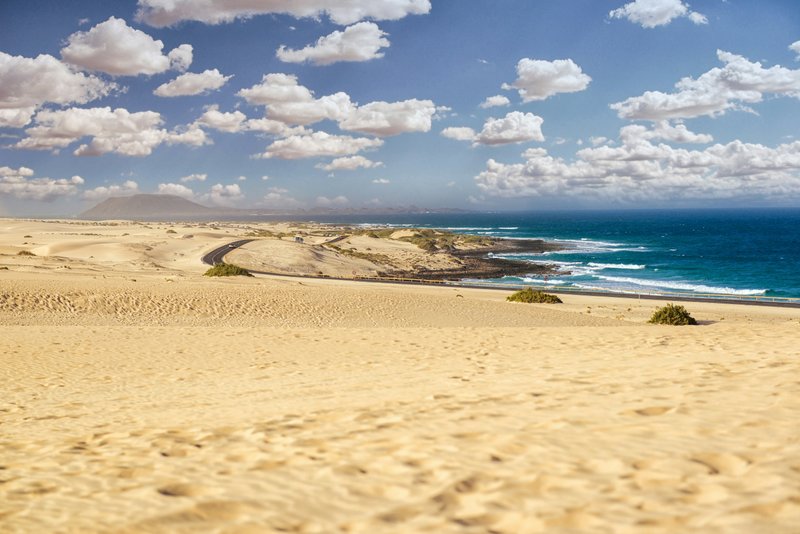
Explore Fuerteventura
Hotels (6)

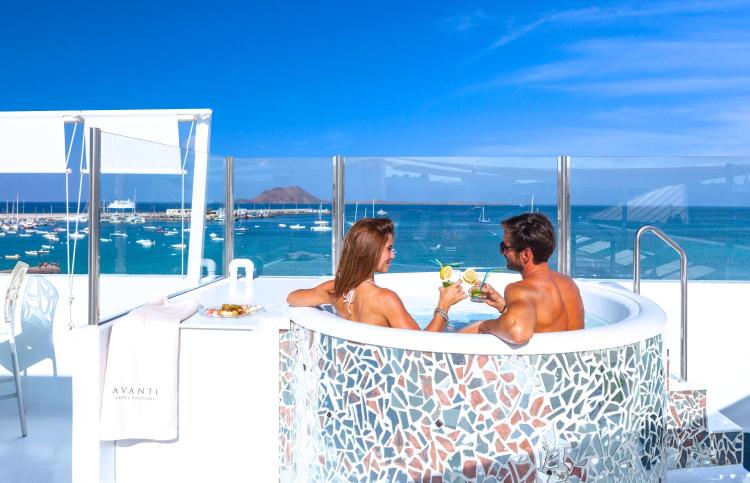
Corralejo's original hotel has undergone a striking contemporary transformation, earning its place in style publications as Fuerteventura's most fashionable address. The rooftop terrace draws guests for sunbathing and whirlpool sessions against Atlantic panoramas. An adults-only policy—minimum age sixteen—ensures a serene atmosphere throughout the boutique property, making it ideal for couples seeking design-forward coastal retreats.

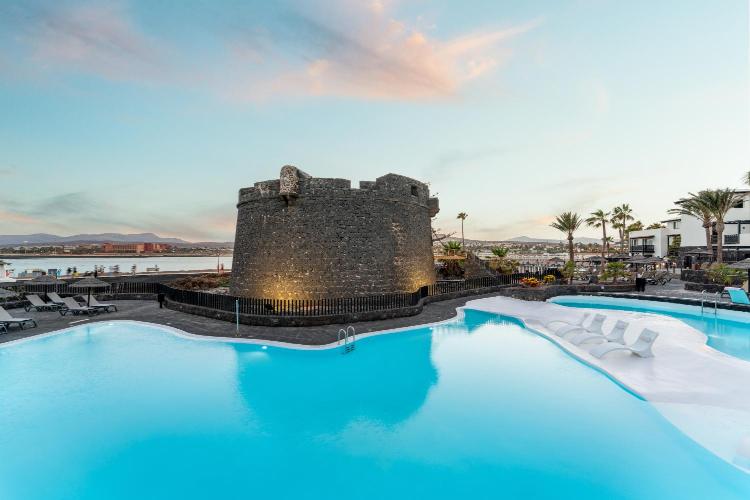
Architecturally styled as a Canarian fishing village, this four-star Caleta de Fuste resort brings theatrical charm to Fuerteventura's eastern coast. Families gravitate toward the Barcy Club, where children aged four to twelve engage with a Happy Minds curriculum emphasizing multiple intelligences, complemented by nightly entertainment. The dining program earns particular praise, and the overall value proposition makes extended stays practical for multigenerational groups.

Fuerteventura's first adults-only hotel occupies a prime position in Corralejo, set between the town's animated main strip and the Atlantic shoreline. The superior four-star property delivers relaxed luxury with particular strength in room quality and contemporary style. Its location offers easy access to Corralejo's cafés and restaurants while maintaining a sense of peaceful remove—ideal for couples seeking refinement without isolation.

Adjacent to the Fuerteventura Golf Club, this adults-only property delivers a refined retreat for golf enthusiasts seeking Canarian sunshine without family distractions. The resort channels the island's unexpected greenery—a lush contrast to volcanic landscapes—with solid marks across service, dining, and accommodation. Ideal for couples and golfers wanting direct course access paired with wellness facilities.

Costa Calma's preferred wedding venue among locals, this four-star property operates with the scale and self-sufficiency of a full resort. Honeymooners share the grounds with families drawn to a 38-hole mini-golf course, dedicated kids' club for ages four to twelve, and an indoor games room featuring air hockey. The combination of romantic appeal and genuine family infrastructure makes it unusually versatile for Fuerteventura's southern coast.

Recognizable from the motorway by its striking charred-orange façade, this five-star resort unfolds into subtropical gardens punctuated by multiple outdoor pools. Terracotta tones carry through the guest rooms, while four on-site restaurants and a full spa anchor the adult experience. Families find equal appeal: the Yambaland mini-club entertains children with evening cinema and disco sessions, and a dedicated Maxi Club runs during school holidays for older kids.
Frequently Asked Questions
What makes Fuerteventura different from other Canary Islands?
+
Fuerteventura is the oldest geologically, with eroded volcanic landscapes that feel almost lunar. It's drier and less developed than Tenerife or Gran Canaria, with UNESCO Biosphere Reserve status protecting much of its terrain. The proximity to Africa — visible on clear days — gives it a distinctive desert character absent from its greener neighbours.
Which areas of Fuerteventura are best for a quiet stay?
+
The Jandía peninsula in the south offers the most seclusion, with long beaches backed by protected natural park. Ajuy on the west coast and the villages around Betancuria provide mountain quiet. El Cotillo, while popular with surfers, maintains a low-key atmosphere compared to the package-tourism centres.
When is the best time to visit Fuerteventura?
+
The island enjoys year-round warmth, with average temperatures between 20-27°C. Winter months (November to February) bring Europeans escaping northern cold, while spring and autumn offer emptier beaches. Summer stays pleasant thanks to trade winds, though the calima — dust-laden wind from the Sahara — occasionally blankets the island in haze.
Nearby Destinations
Explore Spain



Fuerteventura
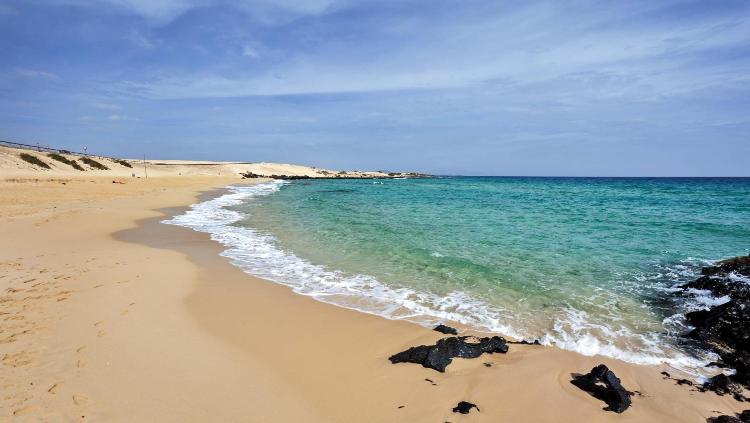
The second-largest Canary Island unfolds as a study in contrasts: the ochre dunes of Corralejo in the north give way to the windswept Jandía peninsula in the south, where endless beaches stretch beneath barren mountains. Betancuria, the former colonial capital tucked into a volcanic valley, preserves whitewashed churches and palm-lined plazas from the fifteenth century. The island's sparse population — under 120,000 — means vast stretches of coastline remain undeveloped, a rarity in the Canaries.
The dining scene reflects both Canarian tradition and the island's growing international community. Goat cheese from Majorero herds, mojo sauces, and fresh catches from local fishermen anchor most menus. El Cotillo's harbour restaurants serve grilled vieja and parrotfish steps from the boats. For evening drinks, the marina at Caleta de Fuste and the surf town of Corralejo offer waterfront terraces where the Saharan wind carries faint traces of the African coast, just 100 kilometres east.