


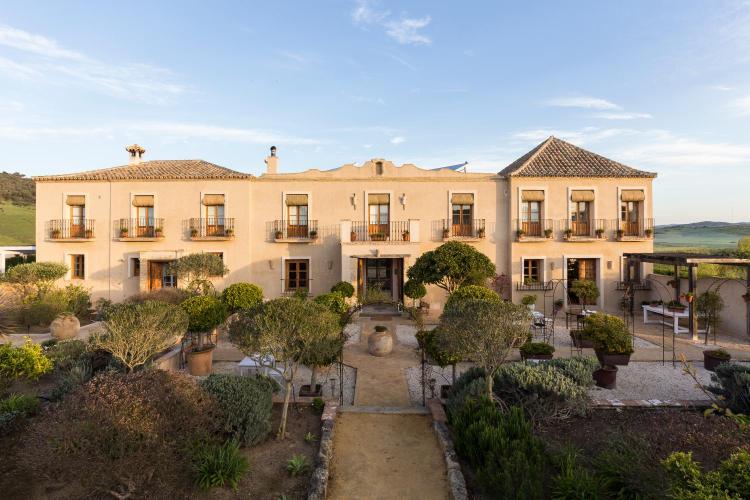
A restored cortijo outside Vejer de la Frontera, Casa La Siesta channels the unhurried grace of Andalucian country living. The adults-only retreat spreads across lavender-scented gardens where evening light pools in the courtyard—an ideal perch for sundowners. Home-cooked meals draw on regional tradition, while a separate casita accommodates families seeking the same secluded farmhouse atmosphere without compromising the main house's intimate character.
Costa de la Luz Travel Guide: Best Hotels, Restaurants & Experiences 
Explore Costa De La Luz
Hotels (1)
Restaurants (9)
Where to Stay
Where to Eat

Michelin Selected
Red almadraba tuna commands the menu at this Barbate institution, where the prized catch arrives from traditional trap-fishing grounds just offshore. The tasting menu, El Susurro de los Atunes, guides diners through various cuts of the magnificent fish, while the à la carte offers hearty stews and rice dishes. A tapas bar buzzes alongside the elegant dining room, with a superb terrace for warm Andalusian evenings.

Bib Gourmand
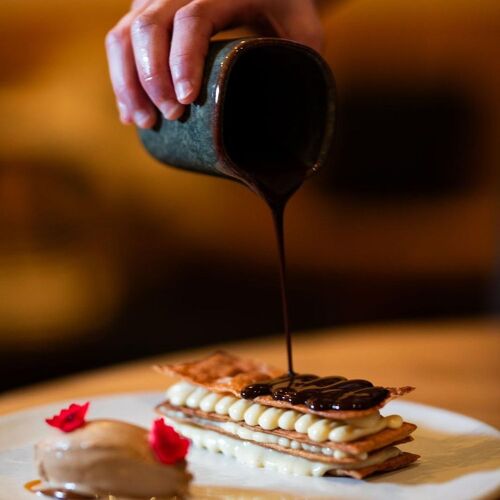
Inside an 1864 townhouse on a quiet pedestrian lane in Tarifa's old quarter, two chefs who honed their craft under Martín Berasategui deliver a Bib Gourmand menu rooted in local sourcing and Northern Spanish grilling traditions. The contemporary plates balance creative precision with rustic warmth, closing with a refined take on tranvía tarifeño, the town's beloved layered pastry.

Bib Gourmand
A wood cabin perched metres from the beach at Palmones, Casa Mané commands sweeping views across the bay to Gibraltar. This Bib Gourmand address draws crowds for its Gibraltar Strait seafood—Coquina clams, scarlet Garrucha prawns, tuna preserved in lard—displayed fresh in a refrigerated counter before preparation. The family-run dining room fills daily; reservations prove essential.

Michelin Selected
Steps from the beach in Zahora, this modern minimalist dining room channels the riches of Cádiz province into contemporary plates rooted in tradition. Tuna caught by almadraba, local fish, and Spanish meats share the menu with fusion-inflected rice dishes. The country-style croquettes—whether ham or cheese and spinach—have earned devoted following. Guestrooms upstairs extend the stay for those reluctant to leave.

Michelin Selected
In the rural hamlet of Pago de Santa Lucía northwest of Vejer, Castillería commands a terrace that dissolves into the surrounding countryside. The glassed-fronted kitchen reveals the serious work within: premium beef—Retinta de La Janda, Avileña, Rubia gallega—aged and catalogued with butcher's precision, alongside notable pork and lamb. A contemporary grill house built for two, where the meat speaks plainly.

Michelin Selected
Wild bluefin tuna takes center stage at this Michelin-recognized address in Conil de la Frontera, where the kitchen sources directly from its own trap, Petaca Chico. The traditional ronqueo carving ceremony yields prized cuts—Morrillo, Ventresca, Parpatana—prepared across inventive menu chapters that span purist preparations and Sushiman-style interpretations. A contemporary setting for serious tuna devotees.

Michelin Selected
Since 1988, this family-run beachside address on Playa de El Palmar has built its reputation on fish hauled straight from the local auction. The kitchen excels at traditional fried preparations and grilled seafood, but the dedicated red almadraba tuna menu draws serious gastronomes to its terrace tables. A straightforward, salt-aired lunch spot for those who value provenance over pretense.

Michelin Selected
Named for the ancient walls of Vejer—a white village of historic-artistic distinction—El Muro brings chef Paco Doncel back to his hometown after years in prestigious kitchens. The intimate dining room, with its regional character and limited seating, showcases his refined approach to local ingredients: judías pochas simmered with clams, and an off-menu tortilla featuring wild tagarninas thistles foraged from surrounding fields. Reservations essential.

Michelin Selected
Surfboards, vintage fashion pieces, and art objects crowd the walls of this Zahara de los Atunes gastro-bar, setting the stage for chef-driven fusion plates that draw equally from Asia and Latin America. The Vietnamese-style fried shrimp omelette arrives with sweet-sour peppers, while a signature chickpea socarrat pairs scarlet shrimp tartare with aioli—inventive cooking rooted in local Andalusian produce, recognized with a Michelin Plate.
Frequently Asked Questions
What is the best time of year to visit Costa de la Luz?
+
Late May through early July offers warm temperatures without extreme heat, and the almadraba tuna season delivers exceptional dining. September and October bring calmer winds for beach days while avoiding peak summer crowds. Winter appeals to surfers seeking Atlantic swells and travelers interested in sherry tourism without humidity.
How does Costa de la Luz differ from Costa del Sol?
+
The Atlantic coast remains far less developed than its Mediterranean neighbor. Expect wilder beaches backed by natural dunes rather than apartment blocks, stronger winds that make conditions ideal for water sports, and a more authentically Andalusian atmosphere. Water temperatures run cooler, and the region attracts an independent-minded crowd rather than package tourists.
Which areas of Costa de la Luz suit different travel styles?
+
Tarifa suits active travelers and kitesurfers seeking wind and nightlife. Zahara de los Atunes and Conil appeal to food-focused visitors wanting traditional fishing village character. Sanlúcar de Barrameda combines sherry culture with Doñana National Park access. Jerez serves as a base for flamenco, equestrian culture, and bodega visits without beach distractions.
Nearby Destinations
Explore Spain



Costa De La Luz
Spain's southwestern Atlantic coast stretches from Tarifa to the Portuguese border, where the Guadalquivir marshlands meet endless sand. Cádiz province dominates this stretch — ancient Phoenician trading ports like Sanlúcar de Barrameda face Morocco across the strait, while whitewashed villages climb the hills behind beaches that run for kilometers without interruption. The light here differs from the Mediterranean: sharper, cleaner, reflected off water that shifts between turquoise shallows and deep Atlantic blue.
Tarifa draws windsurfers and kitesurfers to its legendary poniente winds, creating an atmosphere more bohemian than the Costa del Sol. Further north, Zahara de los Atunes maintains its tuna fishing heritage — the almadraba technique dates back millennia. Conil de la Frontera and El Palmar attract those seeking authentic Andalusian beach culture without resort development. The sherry triangle of Jerez, El Puerto de Santa María, and Sanlúcar sits just inland, where bodegas age fino and manzanilla in cathedral-like warehouses. Seafood here rivals Galicia: ortiguillas (sea anemones), tortillitas de camarones, and the prized atún rojo from the spring almadraba catch define local tables.