Chef José Álvarez draws from Almería's unlikely terroir—greenhouse vegetables from small producers and pristine catch from the Alborán Sea—to craft a one-starred contemporary cuisine built on bold, assertive flavours. His signature tasting menu, 'Verde Mar y Tierra Azul,' channels this coastal-agricultural duality into dishes that surprise without straying from regional roots. A compelling stop for gastronomes exploring Andalucía's eastern edge.
Three generations of the Carmona family have safeguarded Almería's culinary heritage at this Vera address, where a statue of founder Antonio Carmona Gallardo marks the entrance. The Bib Gourmand-recognized kitchen delivers honest, ingredient-driven cooking—grilled meats, pristine seafood, regional specialties—served on an appealing terrace or in the warmly traditional dining room. Unpretentious excellence at fair value.
Past the whitewashed village of Agua Amarga, near the skeletal remains of a nineteenth-century iron ore terminus, this remote asador draws visitors with contemporary cuisine threaded with Arab and oriental accents. The kitchen excels at daily fish preparations and a notably robust beef entrecôte, served in rustic-contemporary dining rooms warmed by open fireplaces or on a cactus-lined terrace overlooking the arid Almerian landscape.
Down a narrow alleyway in Almería's old quarter, this former meat-focused asador has pivoted toward the sea. Daily-sourced fish and seafood arrive straight from the grill in spacious Castilian-style dining rooms, one adorned with a striking black and white octopus mural. The Michelin Plate kitchen delivers updated traditional cooking where charred simplicity lets prime ingredients speak.
Bare wood tables and a convivial bar set the tone at this El Ejido address, where the kitchen and cellar are shared with neighboring one-star La Costa. The contemporary menu pivots between full plates and media ración portions, showcasing pristine fish, seafood, and meat. Inspectors single out the super-creamy vanilla flan—a dessert worth planning around.
Chef Ginés Peregrín channels years spent in Dutch kitchens into a Mediterranean grammar inflected with Japanese, Mexican, and Peruvian accents. His signature homemade gurullos—a local pasta shaped into risotto—arrives studded with wild ceps and scarlet Almería gambas, a dish that bridges mountain and coast. The five- and seven-course tasting menus let the kitchen's multicultural instincts unfold freely, ideal for curious palates seeking substance over spectacle.
An open grill anchors the contemporary menu at this Mediterranean villa, where smoke and flame coax intense flavors from quality ingredients. Several dining rooms offer intimate corners, though the terrace proves most compelling—tables positioned around a small swimming pool create an unexpectedly tranquil setting for traditional cuisine. The Michelin Plate recognition confirms consistently solid cooking in a genuinely charming coastal retreat.
Colourful vegetables adorn the entrance of this contemporary gastrobar, a fitting tribute to Almería's celebrated produce. The open kitchen anchors a relaxed dining room where chef Tony García navigates between tradition and innovation. Guests choose from an executive format of miniature courses, the Fortuny tasting sequence, or Jara—an entirely plant-based menu that showcases the region's agricultural wealth with thoughtful precision.
Chef Dani Muñoz runs this contemporary dining room in a quiet residential quarter of Almería, building his menu around seasonal, locally sourced produce. The à la carte opens with informal tapas-style plates before moving to more ambitious dishes—'Joselito' Iberian pork sashimi, delicate red mullet, glazed Iberian ribs. A relaxed yet refined address for travelers seeking creative Andalusian cooking without ceremony.
Adjacent to Plaza Vieja and its historic Pingurucho monument, VIVO Gourmet delivers a meat-focused menu where 60-day matured Friesian steaks take center stage. The contemporary grill room balances substantial cuts with inventive pinchos—foie gras paired with goat's cheese and caramelised apple among them. Honest, unfussy cooking for carnivores seeking quality over ceremony in Almería's old quarter.
Frequently Asked Questions
What is the best area to stay in Almería for exploring the historic center?
+
The Casco Histórico around Plaza de la Constitución offers the most convenient base, with the Alcazaba fortress, cathedral, and main tapas streets all within walking distance. The recently renovated port district provides a slightly more contemporary setting while remaining close to the old town.
When is the ideal time to visit Almería?
+
Spring (April-May) and autumn (September-October) offer comfortable temperatures for exploring both the city and Cabo de Gata natural park. Summer brings intense heat to the Tabernas desert area, though coastal breezes moderate city temperatures. Winter remains mild, with many sunny days suitable for hiking.
How accessible is Cabo de Gata natural park from Almería city?
+
The park boundary lies approximately twenty kilometers east of the city center, reachable in thirty minutes by car. The fishing village of San José serves as the main access point, with boat excursions, hiking trails to secluded beaches, and snorkeling sites along the volcanic coastline.
Nearby Destinations
Explore SpainAlmería sits where the Sierra de Gádor meets the Mediterranean, its white-cube architecture cascading beneath the tenth-century Alcazaba. The old quarter around Plaza de la Constitución retains its North African atmosphere — narrow callejones opening onto sun-bleached plazas where elderly locals gather for mid-morning coffee. The port area has shed its industrial past, with the Cable Inglés iron pier now a protected monument overlooking yacht moorings and fish auction halls that supply the city's restaurants each dawn.
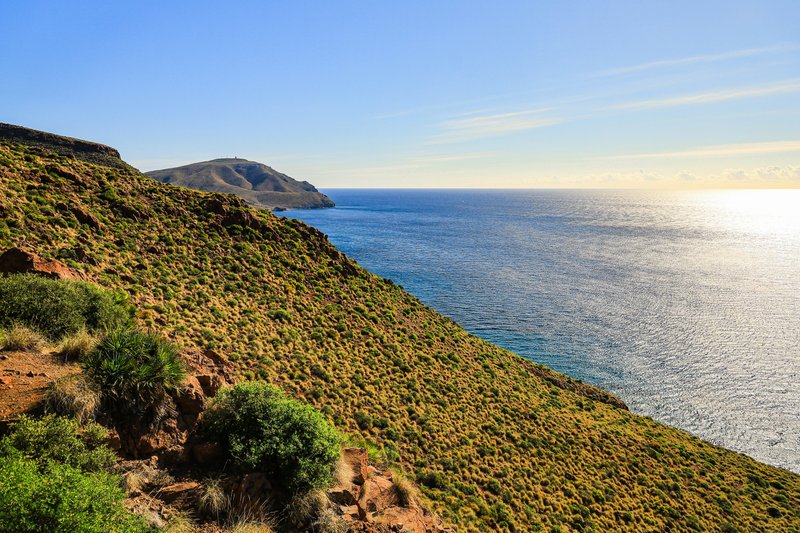
The Tabernas desert thirty kilometers inland provided backdrops for Sergio Leone's spaghetti westerns, and that cinematic heritage draws visitors who split their time between coastal pursuits and interior exploration. Cabo de Gata-Níjar natural park extends east along volcanic cliffs and secluded coves accessible only by foot. Evening dining follows Andalusian rhythms: tapas circuits through the Casco Histórico before late suppers of red prawns from Garrucha or sea bass baked in salt. The lack of mass tourism infrastructure means establishments here compete on quality rather than volume.