Architect Stojan Vejkovic's 1929 building in Vračar—once a stage for Cold War intrigue—now pairs its stately façade with a bold contemporary wing. The 54 rooms feel intimate, with glass-walled stone bathrooms and rain showers. L'Adresse shifts from casual Mediterranean lunches to refined evening dining. A sauna and massage room complete the picture, while Saturday children's cooking classes and pet-friendly policies welcome families.
Where to Stay
Behind the Art Nouveau façade on Karađorđeva lies Belgrade's grande dame, where the Rockefellers and British royals once held court during the city's 1920s golden era. A sensitive restoration has dressed the 143 rooms in creamy tones and burgundy velvets with Art Deco flourishes. The Dining Room reimagines Serbian classics, afternoon tea unfolds in the library, and a hammam-equipped spa completes the picture.
Floor-to-ceiling windows frame the Sava River from all 119 rooms, while the Long Gallery makes a statement with its black marble fireplace and burnt-orange vintage furnishings. Savant Brasserie puts a Serbian spin on French classics—the seafood Wellington with river-caught fish deserves attention. A light-flooded indoor pool and cocoon-like spa offer retreat; butler service ensures effortless polish throughout.
Architect Isay Weinfeld's Bauhaus-inflected façade opens onto interiors furnished with authentic Danish Modern pieces, setting a mid-century tone across 45 rooms dressed in linen wallpaper and cashmere throws, bathrooms stocked with Hermès. A rooftop Japanese restaurant surveys Studentski Trg, while below, the spa complex—Turkish bath, steam rooms, jacuzzi, indoor pool—offers thorough decompression for design-conscious travelers exploring Belgrade's Old Town.
A dark-grey 1929 townhouse on Maršala Birjuzova street houses Belgrade's pioneering boutique address, its 21 rooms individually styled with works by local artist Gabriel Glid and a warmth that tempers the contemporary design. Downstairs, a shaded garden courtyard offers respite between explorations, while the all-day restaurant keeps things resolutely Serbian. Pets stay free—a rarity in this category.
Where to Eat
Dorćol's historic streets give way to Homa's resolutely contemporary dining room, where white linen and soft lighting set the stage for inventive cooking with Italian inflections. Two tasting menus and à la carte options span vegetarian, fish, and meat preparations, each dish reflecting a refined modern sensibility. Summer evenings draw guests to the leafy terrace for candlelit dinners under open skies.
The magnificent 19th-century Geozavod building—all marble, stucco, and gilt—provides a theatrical backdrop for this first-floor dining room where a young chef presents exclusively surprise tasting menus. Serbian heirloom ingredients and ancestral recipes receive meticulous contemporary treatment, with each course demonstrating precise technique and artful presentation. A destination for celebratory evenings when atmosphere matters as much as the plate.
Through expansive windows framing the Sava River and Belgrade's modern skyline, chef Marko Derić presents his one-Michelin-starred interpretation of Serbian traditions filtered through French and Italian technique. The kitchen team delivers dishes directly to tables, explaining each course from the five-course fish or meat menus, the eight-course tasting, or a dedicated lobster selection—an intimate format that collapses the distance between stove and guest.
On Belgrade's outskirts, this Bib Gourmand address rewards the journey with pedigree Serbian cooking built on impeccable sourcing. Ewe's milk cheese arrives from the kitchen's own Homolje Mountains farm, while shoulder of lamb undergoes dry-aging in dedicated cases before emerging tender and deeply flavored. House-baked Serbian bread accompanies hearty, generous plates that celebrate regional tradition without pretense—ideal for appetites seeking authentic substance.
Istok brings Bib Gourmand-recognized pan-Asian comfort food to Belgrade's Gospodar Jevremova street, its upmarket interior channeling South Asian elegance. The kitchen moves fluidly between Vietnamese, Korean, and Thai traditions—signature pho arrives steaming, customizable to taste, while half-portion options encourage exploration across the menu. Vibrant house-made dips accompany each course, adding layers of flavor that reward the curious palate.
This Bib Gourmand bistro applies a light contemporary touch to Serbian heritage recipes, letting local ingredients speak through dishes like oxtail braised with caramelised onions and house-made gnocchi enriched with veal brain and bone reduction. Colourful interiors set a relaxed tone, though the real draw in warmer months is the pavement terrace—ideal for lingering over patriotic flavours reworked with modern finesse.
Perched on the seventh floor of the Square Nine Hotel, Ebisu commands sweeping views of historic Belgrade from its rooftop terrace. The kitchen delivers an uncompromising Japanese repertoire—sushi, sashimi, teppanyaki, ramen—with standouts including tuna maki spiked with jalapeño and soft-shell crab tempura paired with wasabi mayonnaise. The adjacent bar extends the evening with inventive saketini cocktails.
Fish takes center stage at this Michelin Plate restaurant just outside Belgrade's core, where simple preparations let pristine ingredients speak for themselves. The kitchen's philosophy favors restraint over elaboration—diners should ask about the daily catch for the freshest options. Rustic dining rooms with weathered wood and warm lighting create an unhurried atmosphere, while risottos and spaghetti satisfy those craving Italian comfort alongside the seafood.
Belgrade's storied Writers' Club has drawn literati and politicians to its tables since the post-war years, and today a young chef channels that heritage into proudly Serbian cooking. The savoury gibanica demands a twenty-five-minute wait; the krempita dessert remains unchanged from the original recipe. Live music fills the dining room in winter, while the glass-roofed garden offers year-round atmosphere alongside exhibitions and concerts.
Beyond the lobby of the Saint Ten boutique hotel in Vračar, a contemporary dining room delivers European-influenced cooking with confident meat focus. The signature beef fillet has earned house-classic status, while Hoisin duck demonstrates the kitchen's range. A Michelin Plate recognizes the consistent quality. Post-dinner, the plush Lounge Bar provides an atmospheric setting for lingering over digestifs near the landmark San Sava church.
Frequently Asked Questions
Which Belgrade neighborhoods offer the best mix of dining and nightlife?
+
Savamala delivers the highest concentration of contemporary restaurants, cocktail bars, and clubs within walking distance. Dorćol appeals to those seeking specialty coffee by day and wine bars by evening. Stari Grad remains the classic choice, particularly around Skadarlija — the bohemian quarter where kafanas have operated for over a century.
When is the best time to visit Belgrade?
+
Late spring (May–June) and early autumn (September–October) bring mild temperatures ideal for walking the fortress grounds and dining on outdoor terraces. Summer transforms the riverbanks into an extended party, though temperatures regularly exceed 35°C. Winter appeals to those interested in the kafana culture and traditional Serbian celebrations, particularly around Orthodox Christmas in January.
What should visitors know about Serbian dining customs?
+
Meals are social events, rarely rushed. Lunch remains the main meal for many locals, often stretching past 3pm on weekends. Rakija — fruit brandy, typically plum or quince — precedes most dinners. Tipping runs 10–15% and is left in cash even when paying by card. Reservations matter for popular restaurants on Friday and Saturday evenings, less so during the week.
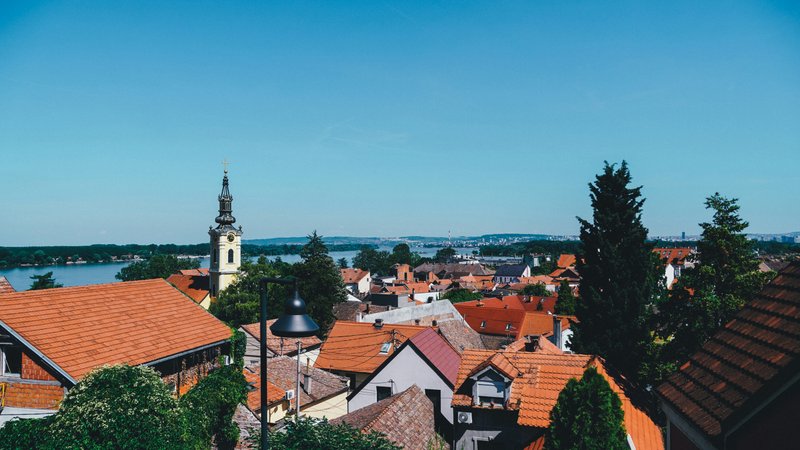
Belgrade sprawls across the confluence of the Sava and Danube rivers, its fortress walls overlooking a city that has reinvented itself countless times. The Stari Grad district holds most of the architectural heritage — Habsburg-era facades along Knez Mihailova giving way to socialist modernism and the occasional brutalist landmark. Dorćol, once the Ottoman quarter, now draws a younger crowd to its converted warehouses and specialty coffee bars. Savamala, the old port district, underwent rapid transformation in the 2010s and remains the center of the city's design and nightlife scenes.
Serbian hospitality operates on its own clock. Meals stretch for hours, particularly the ritual of kafana dining where traditional orchestras still play sevdalinka ballads. The restaurant scene has evolved considerably, with a new generation of chefs reinterpreting Serbian cuisine — fermented vegetables, heritage grains, nose-to-tail cooking — while the kafana tradition endures in establishments like Question Mark, operating since 1823. The splavovi, floating bars and clubs moored along the riverbanks, define summer nights. Winter shifts the social calendar indoors, to the smoky warmth of neighborhood taverns in Vračar and the cocktail bars multiplying around Cetinjska Street.