An 18th-century aristocratic palace that later served as a Catholic boys' school, this family-owned twenty-room property channels contemporary bohemian style through rooms shaped by historic architecture—no two alike. Multiple swimming pools, including private options for select accommodations, keep guests lingering on-site, while the Surprise Dinner delivers a market-fresh three-course menu five evenings weekly. Ideal for travelers seeking character over convention.
Where to Stay
A 1917 village post office and general store on a quiet crossroads in the eastern Algarve now operates as a five-room retreat with vintage-chic interiors and original architectural details intact. Each room opens onto its own private garden, reinforcing the sense of rural seclusion. The adults-only policy—guests under twelve admitted only for full buyouts—ensures consistent tranquility for couples seeking an unhurried Portuguese escape.
Where to Eat
Near Tavira's Moorish castle, chef Luís Brito and his wife Cláudia Abrantes orchestrate a one-starred table where vegetables and seafood find careful equilibrium. Three tasting menus—Três momentos, Entre momentos, A viagem do sabor—chart a course through modern Portuguese flavours, while twin terraces survey the Gilão River below. The meal closes with petit fours presented on ceramics inspired by local archaeological discoveries.
Chef João Dias anchors his cooking in Portuguese tradition while pushing toward modern expression, sourcing rigorously local ingredients for three tasting menus—Saudade, Terra à Vista, and Inspirações. A charming terrace leads into the intimate dining room, where dishes like cod with coastal prawn and sea bass paired with creamy coriander rice, lemon gel, and champagne sauce reveal exacting technique and pristine produce.
Chef Noélia earned her title as the Queen of Ria Formosa through decades of self-taught mastery over the lagoon's exceptional seafood. Her fixed menu shifts daily, dictated entirely by the morning's catch—locally sourced fish and shellfish transformed through inventive combinations that reflect both tradition and experimentation. Reservations are essential; this small Cabanas dining room fills completely, a testament to her devoted following across Portugal.
Frequently Asked Questions
How do visitors reach Tavira's barrier island beaches?
+
Small ferries depart regularly from the town quay to Ilha de Tavira, a ten-minute crossing to long stretches of sand backed by dunes. The island has no cars, only beach restaurants and wooden walkways through protected habitat.
What makes the Ria Formosa lagoon significant for Tavira?
+
This protected wetland system stretches sixty kilometers along the coast, sheltering migratory birds, seahorse populations, and traditional shellfish beds. The lagoon moderates the climate, supports local fishing communities, and creates the calm waters that define the town's waterfront character.
When is the best season to visit Tavira?
+
Late spring and early autumn offer warm weather without summer crowds. May brings wildflowers to the surrounding countryside, while September and October maintain swimming temperatures with fewer visitors. The mild winter months suit those interested in birdwatching along the Ria Formosa.
Nearby Destinations
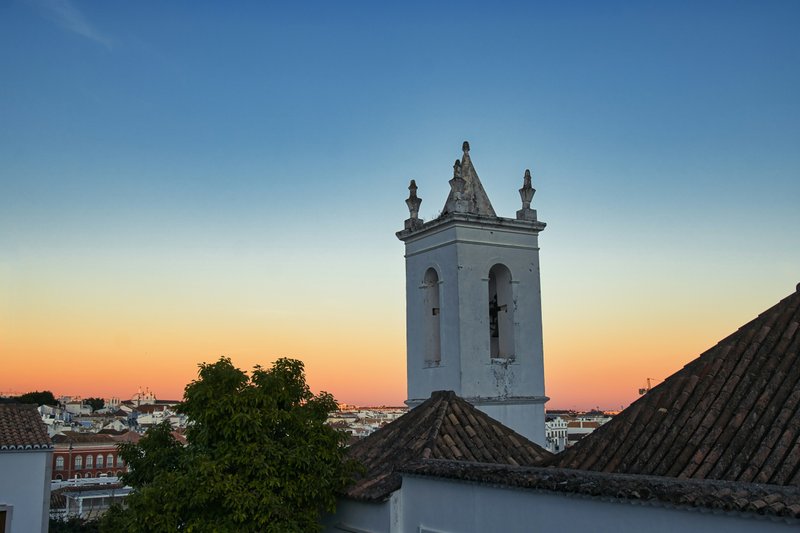
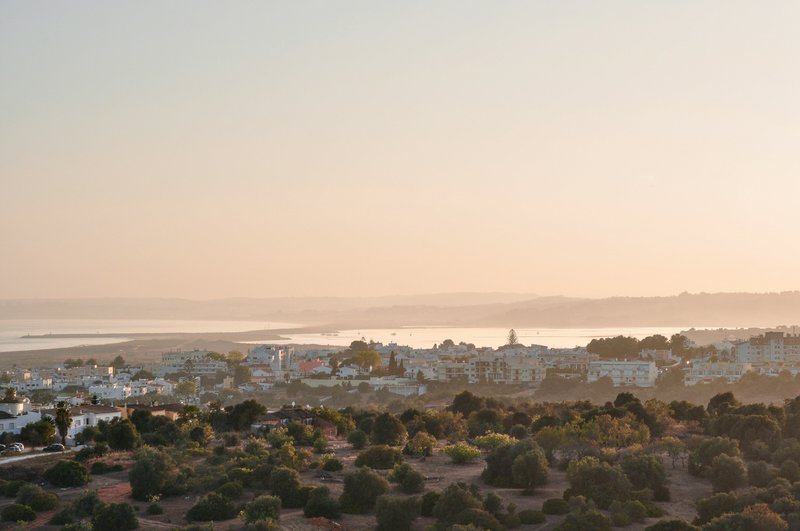
Explore PortugalTavira sits on both banks of the Gilão River, its Roman bridge connecting whitewashed neighborhoods where church bell towers punctuate the skyline. The town preserves an unhurried rhythm that much of the Algarve coast abandoned decades ago. Fishermen still mend nets near the covered market, and the Moorish castle walls frame views across terracotta rooftops to the barrier islands of Ria Formosa. Santa Luzia, the neighboring village, maintains its octopus-fishing heritage, while Cabanas offers a quieter beach alternative.
The dining scene draws from both Atlantic waters and the agricultural hinterland — grilled fish dominates menus, but the countryside supplies game, citrus, and carob. Restaurants cluster along the riverfront and in the old town's narrow streets, where tiled facades and wrought-iron balconies set the tone. Evening drinks unfold on terraces overlooking the water or in converted merchant houses. The nearby salt pans of Santa Luzia flavor much of what arrives at table, and local wines from the Algarve's emerging appellations increasingly appear alongside Portuguese classics from the Alentejo and Douro.