


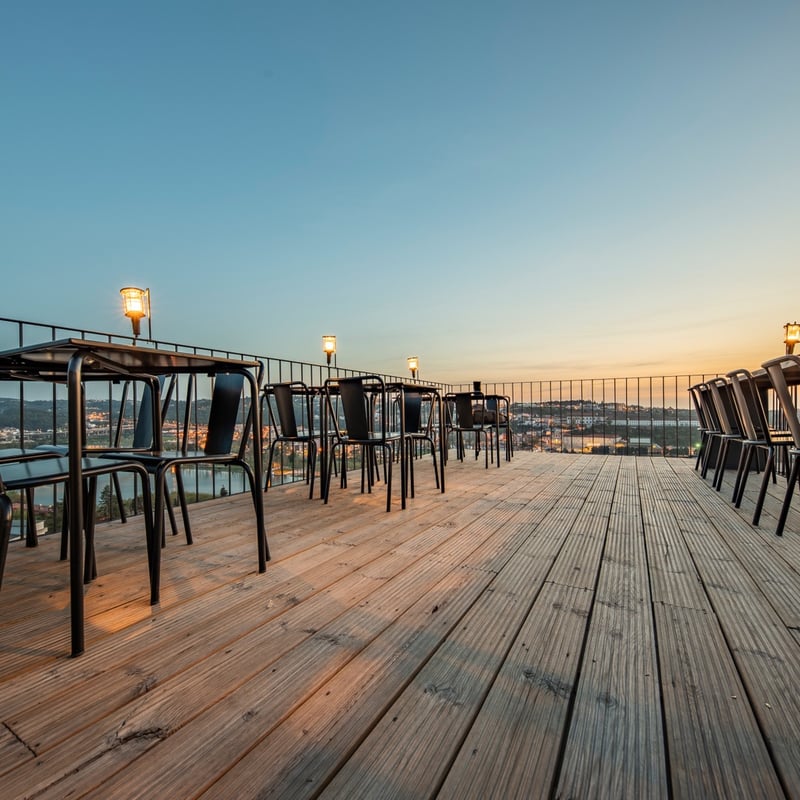
A self-proclaimed 'books & wine hotel,' this 22-room retreat occupies restored 18th and 19th-century buildings beside Portugal's oldest university. Luminous all-white interiors showcase artwork fashioned from classic book pages, while a rooftop terrace surveys the medieval rooftops below. Visiting academics drift through the tapas-and-wine bar, lending an intellectual hum to evenings—ideal for bibliophiles seeking quiet sophistication over nightlife.
Coimbra Travel Guide: Best Hotels, Restaurants & Experiences 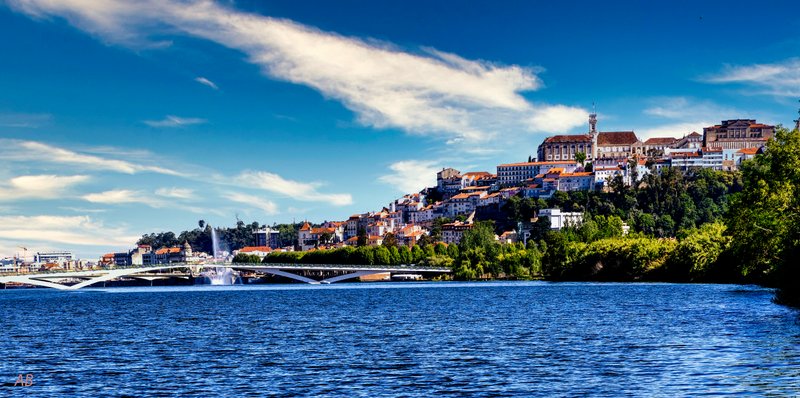
Explore Coimbra
Restaurants (3)
Where to Stay
Where to Eat

Michelin Selected
Steps from the Sé Velha cathedral, chef Ricardo Casqueiro orchestrates an intimate dinner-only experience where Japanese omakase tradition meets Portuguese terroir. Guests at the wooden bar counter watch preparations of tuna with caviar, Azores squid, and sea urchin unfold in real time, while the adjacent dining room offers a more romantic, dimly lit setting for à la carte selections featuring John Dory and delicate mochi finales.

Michelin Selected
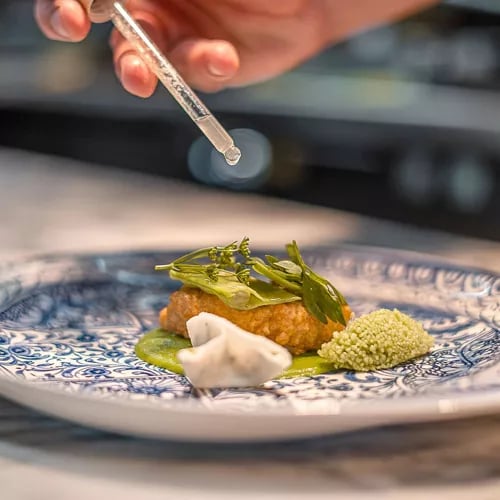
Chef Marco Almeida stages dining as theatre at this Coimbra address, with partner Ana directing the floor. Each dish—or 'scene'—credits its suppliers by distance, underscoring fierce regional loyalty. The Palco Principal menu unfolds across three acts, featuring Bairrada suckling-pig lard and a deconstructed Mocktail Beirão that dramatically reveals the local liquor. The Rainha Santa Isabel dessert pays tribute to the city's miracle of the roses legend.

Bib Gourmand
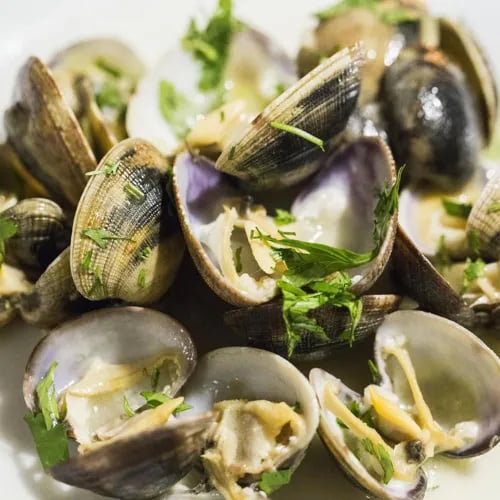
A restored townhouse on Cantanhede's main square provides the setting for this Bib Gourmand address, where three intimate dining rooms — one warmed by a working fireplace — showcase traditional Portuguese cooking at honest prices. The kitchen excels with classics like clams in garlic-cilantro dressing and the signature Bacalhau à Lagareiro, salt-cod roasted until golden and served over crushed potatoes. Tasting menus require a minimum of two guests.

Bib Gourmand
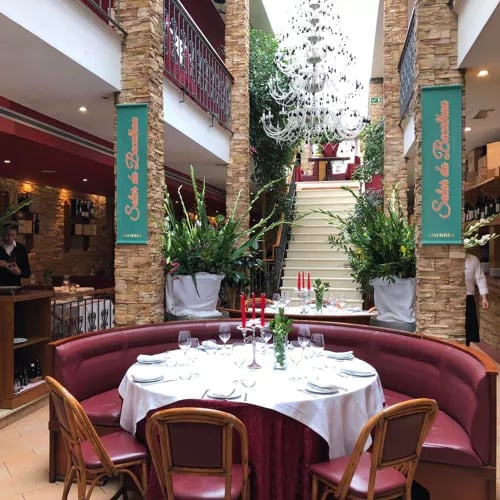
Baixa de Coimbra's medieval merchant quarter provides the backdrop for this Bib Gourmand institution devoted entirely to Portugal's beloved bacalhau. Sections of salt-cod hang visibly in the preparation area, testament to the kitchen's craft. The signature Bacalhau à Coimbra arrives in an earthenware casserole, generous and deeply flavored. A glass-roofed interior patio floods the spacious dining room with natural light.

Michelin Selected
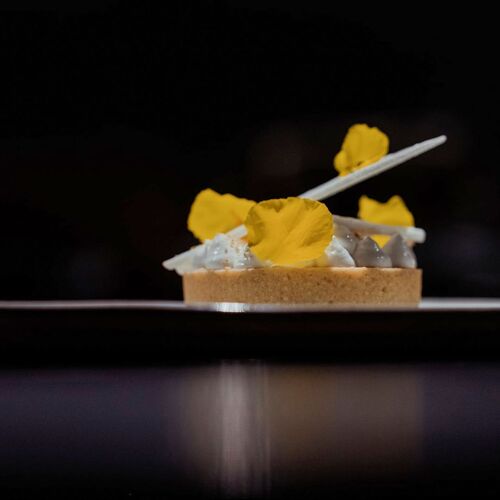
A short drive from Coimbra, this family-run institution has perfected leitão — suckling pig roasted according to time-honored tradition — drawing crowds who know to book ahead. The crackling-skinned specialty pairs superbly with local espumante from the surrounding vineyards. Afterwards, a display of homemade sweets beckons: delicate Pastel de Tentúgal and the almond-rich Morgado do Buçaco reward those who linger.

Michelin Selected
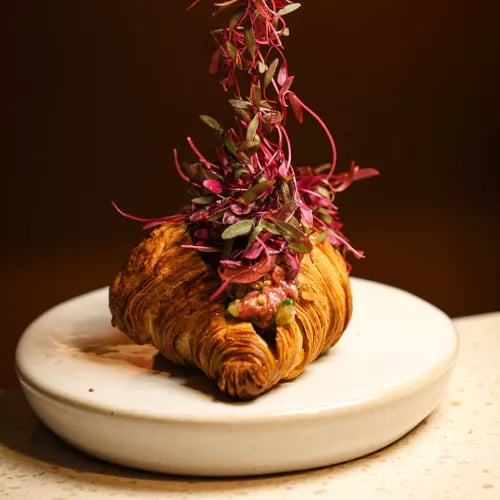
A converted warehouse on a narrow lane in Baixa de Coimbra, steps from the Santa Cruz monastery, Safra delivers seasonal Portuguese cooking built for the table to share. The kitchen works with precision—tartare arrives with croissant and shallot pickle, lamb paired with cauliflower and honey vinegar. A bar counter at one end accommodates those seeking something less formal without sacrificing quality.
Frequently Asked Questions
What makes Coimbra's fado different from Lisbon's?
+
Fado de Coimbra developed within the university tradition and is performed exclusively by men, typically wearing the academic black cape. The style tends toward serenades and ballads rather than the saudade-heavy laments of Lisbon, often performed outdoors at night in the university quarter or Quebra-Costas steps.
Which neighborhoods are best for walking in Coimbra?
+
The Alta and Sofia districts reward exploration on foot. The Alta contains the university complex and connects via steep calçada staircases to the Baixa commercial district. Rua da Sofia, a sixteenth-century street lined with Renaissance college buildings, offers level walking between historic monasteries converted to cafés and cultural spaces.
When is the best time to visit Coimbra?
+
Late April through June captures the city at its most animated, with academic festivities culminating in Queima das Fitas. September and October bring mild weather and fewer crowds, ideal for visiting the Joanina Library and surrounding Beira region. Summers can be hot, though the Mondego riverside provides cooling evening strolls.
Nearby Destinations
Explore Portugal



Coimbra
Portugal's oldest university city rises from the banks of the Mondego, its medieval Alta district crowned by the UNESCO-listed Universidade de Coimbra. Stone stairways connect the upper town's baroque libraries and ceremonial halls to the lower Baixa, where commerce has thrived since Roman times. The academic calendar still shapes local rhythms — black-caped students process through streets during Queima das Fitas each May, while fado de Coimbra, distinct from Lisbon's more melancholic strain, echoes from taverns near the Sé Velha cathedral.
Accommodation clusters around two poles: the riverfront Portagem area, convenient for the Santa Clara monastery and botanical gardens, and the winding lanes of the historic center climbing toward the university. Dining follows the Portuguese pattern of regional pride — chanfana (goat slow-cooked in red wine), leitão da Bairrada from nearby villages, and pastéis de Tentúgal, delicate pastries from a neighboring town. The café culture runs deep here, particularly around Praça da República, where generations of students have debated over bica and poncha.