A candy-pink Belle Époque palace rises from its own thermal park in northern Portugal, its aristocratic interiors—Venetian chandeliers, mosaic floors, silk wallpapers—restored after a century of slumber. The spa channels the same mineral waters that drew Portuguese kings to Vidago, while suites display hand-painted de Gournay scenes and antique furnishings. Mornings unfold in the wrought-iron Winter Garden conservatory; evenings bring Douro Valley tastings in the vaulted Cellar.
Explore Braganca
Where to Stay
Where to Eat
Overlooking Bragança's medieval fortress, this one-Michelin-starred table channels the rugged terroir of Trás-os-Montes through a refined contemporary lens. Chef Óscar Geadas builds menus around chestnuts, wild mushrooms, and the region's prized alheira sausage, while five tasting sequences pay homage to masters of the Porto School of Fine Arts. The closing act: a playful trompe l'oeil Bola de Berlim that subverts the beloved beach-stand classic.
The former ballroom of Vidago Palace—commissioned by King Carlos in 1910—now serves as a regal dining room, its high ceilings and vast handmade carpet setting the stage for chef Vítor Matos's refined Northern Portuguese cooking. His tasting menus, Essência and Cumplicidades, showcase modern technique applied to regional tradition: scallops with prawn ravioli, sea bass paired with scarlet prawn, and an exceptional apple cake wrapped in crisp puff pastry.
The Geadas brothers, Óscar and António, channel their success at G Pousada into this Bib Gourmand address celebrating Trás-os-Montes traditions. Scallops arrive with cockle couscous crafted from regional Barbela wheat, while wild boar sirloin comes paired with chestnut purée—game dishes that speak to the surrounding landscape. A rustic dining room gives way to a summer terrace, the setting intimate and unhurried.
Near the wild expanses of Montesinho Natural Park, this Bib Gourmand address delivers robust Trás-os-Montes cooking in generous, unapologetic portions. Game dominates the menu—stewed wild boar with chestnuts, hare rice, grilled sirloin—alongside traditional Bragança-style lamb. Two rustic dining rooms hung with hunting trophies set the tone: this is hearty, regional fare for appetites sharpened by the northeastern countryside.
Frequently Asked Questions
What is the best area to stay in Bragança?
+
The citadel quarter offers atmospheric accommodation within the medieval walls, with views across the Terra Fria highlands. The lower town around Praça da Sé provides easier access to restaurants and daily life, while properties near the castle combine historic setting with proximity to the Domus Municipalis and keep.
What traditional dishes should visitors try in Bragança?
+
The region's fumeiro tradition produces exceptional smoked meats, particularly alheira sausage and presunto. Posta à mirandesa — thick-cut beef from the local Mirandesa cattle — remains essential, as do feijoada à transmontana, cabrito assado from local kid goat, and desserts featuring Serra da Nogueira chestnuts.
How accessible is Bragança from Porto and Lisbon?
+
Porto lies roughly two and a half hours west by car via the A4 motorway, making Bragança feasible as part of a northern Portugal itinerary. From Lisbon, expect four to five hours by road. Rede Expressos operates coach services, though a car proves essential for exploring the surrounding Montesinho Natural Park and frontier villages.
Nearby Destinations
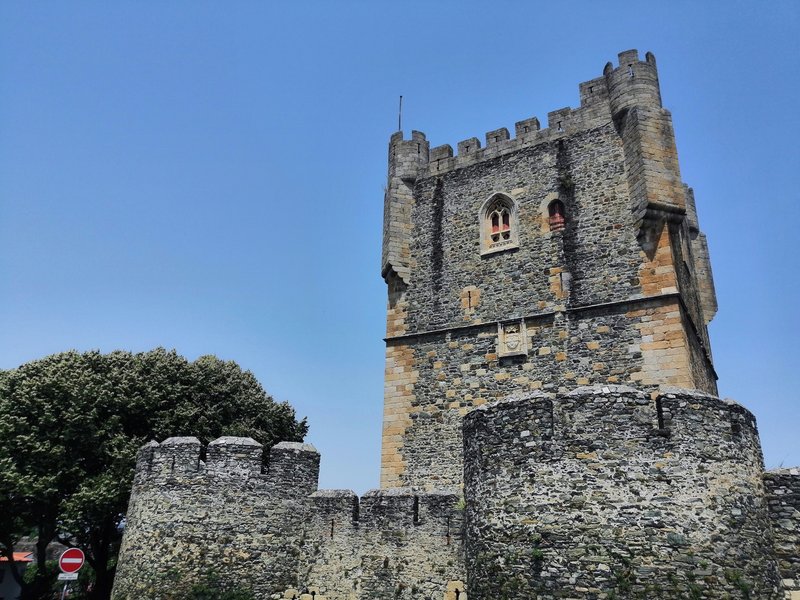
Explore PortugalPortugal's northeastern frontier reveals itself in Bragança, a fortress city where the medieval citadel crowns a granite hilltop above the Rio Fervença. The old town's cobbled lanes wind past the twelfth-century Domus Municipalis — one of the Iberian Peninsula's rare Romanesque civic buildings — while the castle keep surveys the Terra Fria plateau stretching toward Spain. This is Trás-os-Montes at its most austere and rewarding, far from coastal crowds.
The culinary identity here draws from harsh winters and mountain isolation. Chestnut groves supply the region's signature alheira sausage, created by converso Jews during the Inquisition. Local restaurants serve fumeiro — smoked meats cured in granite smokehouses — alongside robust Douro reds. The Monday market in Praça da Sé brings villagers from surrounding aldeias, their stalls laden with presunto, local honey, and Serra da Nogueira cheeses.