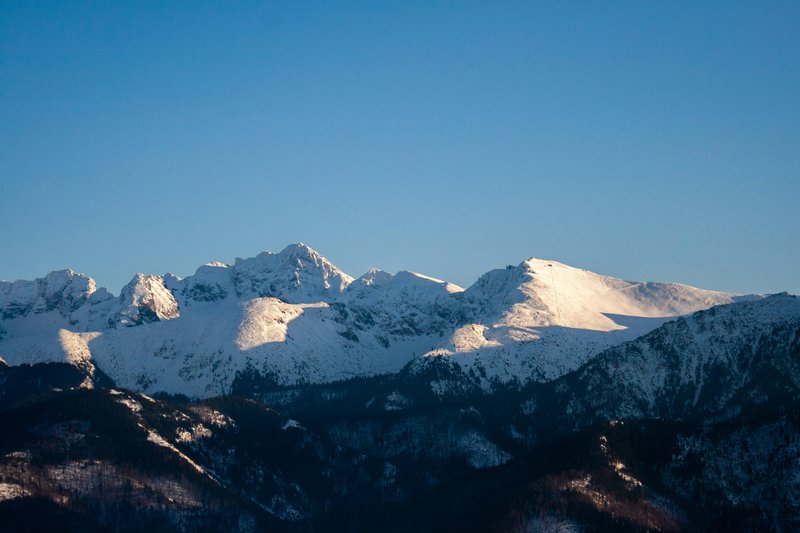
Wood, sandstone, and granite anchor this 128-room mountain hotel to the Tatra landscape visible from its deluxe accommodations. The indoor pool and spa—complete with Turkish bath, sauna, and jacuzzi—offer recovery after alpine pursuits, while the restaurant moves confidently between Polish classics and broader European repertoire. Pet-friendly policies and central Zakopane positioning make it practical for extended highland stays.
Where to Stay
A former Polish Tourist Society lodge that once welcomed over five million hikers, this New Westphalian-style landmark retains its original timber beams and stone fireplaces while adding contemporary comforts. The 98 rooms feature sustainable Hypnos beds and locally inspired textiles. An elegant wood-framed spa houses a light-filled indoor pool and two stone-lined outdoor Jacuzzis overlooking the Tatra peaks—ideal for active travelers seeking mountain refinement.
At the foot of the Pieniny Mountains, this sprawling streamside resort draws on Szczawnica's centuries-old mineral spring heritage while delivering thoroughly contemporary wellness facilities—saunas, jacuzzis, steam rooms, and multiple pools. Three distinct buildings house rustic-chic rooms, family suites with private outdoor hot tubs, and apartments with mountain-view balconies. Slow food dining, a kids' club, and access to skiing and Dunajec rafting make it ideal for active families.
Fourteen apartments occupy this contemporary mountain retreat on Sienkiewicza Street, their interiors reimagining traditional ski-chalet aesthetics through a sleek, modern lens. Floor-to-ceiling windows frame the Tatra peaks, while downstairs a compact spa offers saunas, jacuzzi, and massage treatments for post-trail recovery. The on-site restaurant, garden terrace, and pet-friendly policy suit active travelers seeking residential comfort over conventional hotel formality.
Where to Eat
Mount Giewont rises nearly 1,900 meters beyond floor-to-ceiling windows at this one-Michelin-starred table in Kościelisko. The kitchen navigates between Polish and French registers—sirloin from local producer Zaczyk, plump French asparagus—through three tasting menus spanning classic, seasonal, and vegan compositions. Each dish arrives with expressive seasoning and precise technique, suited to skiers and gastronomes drawn to the Tatras.
Beneath a handsome villa at the foot of the Tatras, a basement dining room with Nordic undertones draws skiers and mountain wanderers to its crackling hearth. The Bib Gourmand kitchen delivers exceptional value through richly satisfying modern plates—venison loin, impossibly tender, arrives with a reduction of striking depth. Sleek rooms upstairs allow guests to extend the evening into a mountain retreat.
Frequently Asked Questions
What is the best area to stay in Zakopane for hiking access?
+
Properties near Kuźnice offer the quickest access to Tatra National Park trails and the Kasprowy Wierch cable car. This southeastern district sits directly at the trailheads, eliminating the need for transfers during peak summer and winter seasons when parking becomes difficult.
When does Zakopane's ski season typically run?
+
The main ski season extends from mid-December through early April, with the most reliable snow conditions between January and March. Kasprowy Wierch's higher elevation often allows skiing into May, though lower slopes in Nosal and Szymoszkowa close earlier as temperatures rise.
What traditional Górale dishes should visitors try?
+
Oscypek, the smoked sheep's milk cheese grilled and served with cranberry jam, appears on most menus. Other regional essentials include moskole (potato pancakes), kwaśnica (sauerkraut soup with pork), and lamb prepared various ways — roasted, stewed, or grilled over open flame at mountain shelters.
Nearby Destinations
Explore PolandPoland's winter capital sits at the foot of the High Tatras, where Krupówki Street's wooden architecture and sheepskin traders give way to pine forests and granite peaks. The town developed as a health resort in the 1870s, attracting artists and intellectuals who built the distinctive Zakopane Style — all steeply pitched roofs, carved balconies, and folk motifs now protected as architectural heritage. Górale highlander culture remains visible in everything from the smoked sheep cheese sold at mountain huts to the string bands playing in basement bars.
The hotel scene splits between the pedestrianized center, where converted villas offer proximity to restaurants and funiculars, and the quieter slopes of Gubałówka and Nosal, where properties trade street life for direct trail access and valley views. Dining runs from hearty regional fare — lamb stew, potato dumplings, soured cabbage — to more refined interpretations in hotel restaurants. After dark, the action concentrates along Krupówki's lower stretch, where grzaniec wine and local vodkas fuel the après-ski crowd well past midnight.