A 1930s Functionalist warehouse by architect Eilert Smith now holds just twelve rooms, each fitted with personal kitchens, heated floors, and spa-caliber bathrooms wrapped in warm wood and living greenery. The real draw: RE-NAA, one of Norway's only three-Michelin-starred restaurants, serving inventive Rogaland cuisine downstairs. Concierge services extend to helicopter transfers and Lysefjord yacht excursions for those exploring beyond the city.
Where to Stay
A 16th-century timber farm and sawmill on the riverbank, Boen Gård preserves its bright red barn and granary while furnishing 16 rooms with Scandinavian modernist pieces against original wooden beams. The adults-only retreat operates an organic restaurant sourcing ingredients from its own sustainable grounds, where guests fish for salmon or explore trails by ski or foot depending on the season.
Perched in the dunes with the North Atlantic stretching beyond its windows, this lodge-style property pairs vintage Nordic character with a sleek contemporary spa. The setting—south of Stavanger amid quiet beaches and open countryside—feels genuinely remote yet remains accessible. Family rooms and children's menus make it practical for travelers with younger companions seeking coastal calm over city bustle.
Where to Eat
At Re-Naa, the kitchen occupies center stage—quite literally—as chefs orchestrate a twenty-course progression of immaculate Nordic seafood before an attentive audience. The three-starred restaurant channels Stavanger's pristine coastal waters into dishes of extraordinary precision, with grilled scallop paired with sea buckthorn and pumpkin sauce demonstrating the kitchen's gift for balancing delicate marine flavors against bolder accents. Service matches the culinary ambition note for note.
Sommelier-owned and wine-obsessed, this one-starred address builds its reputation on an exceptional cellar featuring an impressive roster of producers. The kitchen proves equally compelling, extracting remarkable depth from restrained ingredient lists through precise contrasts—nowhere more evident than in a signature duck preparation offering breast, ragout, and sausage in a single triumphant progression. Modern cuisine with genuine soul.
Ten seats encircle the counter at Sabi Omakase, where chefs craft a multi-course sushi progression from superlative Norwegian seafood. Traditional nigiri shares the menu with playful inventions—notably a fish taco substituting nori for tortilla—each piece introduced with warmth and wit by an engaging team. The one-starred kitchen balances precision with personality, making this an essential Stavanger table for serious gastronomes.
Descending the oak-and-steel staircase at Under, diners arrive five meters beneath the Norwegian sea, where panoramic windows frame an ever-shifting marine tableau. This half-submerged architectural feat near Lindesnes creates an atmosphere of quiet theatre. The one-starred kitchen lets pristine seafood speak plainly — langoustine served with welcome restraint, seasonal menus built around the water's own offerings.
Leather swivel chairs and retro-cool décor evoke a 1960s executive suite at this intimate Stavanger address. The set menu showcases modern cuisine built on seasonal Norwegian ingredients, each dish plated with graphic precision and presented tableside by the kitchen team. Wine pairings demonstrate careful curation, while the compact room ensures every seat feels like the best in the house.
Chef Ola Klepp's ten-course tasting menu draws directly from the restaurant's own garden and the Norwegian coastal terroir, yielding dishes of quiet ingenuity—smoked cherry tomatoes dressed in their own extracted juice, caramelized onion layered with potato-skin water. Elisabeth Kress orchestrates unhurried, precise service in an elegant yet relaxed dining room. The Michelin Green Star confirms a kitchen genuinely rooted in sustainable practice.
Restored farm buildings overlook gardens, meadows, and a river that supply the kitchen's vegetables, herbs, and fish — a classically trained brigade treating each ingredient with precision and restraint. The bucolic setting near Kristiansand feels miles from anywhere, yet an impressive wine cellar and attentive service ensure the experience remains polished. Ideal for travelers seeking terroir-driven cooking in an unhurried countryside atmosphere.
Exposed brick walls and asymmetric designer tables set the scene at this former factory turned plant-based destination. The Italian chef's tasting menu weaves his Mediterranean roots through Asian accents—Sichuan pepper, gochujang, ssamjang—while Nordic fermentation techniques anchor each course. Expect inventive compositions like pumpkin ravioli brightened with sea buckthorn and bergamot, playful yet precise.
A converted house on Pedersgata shelters this intimate dining room where chef-owner Daniel works an open kitchen with focused precision. The menu stays deliberately concise, built around seasonal Norwegian ingredients prepared with clarity rather than complexity. A young couple's first venture, Bravo channels their evident enthusiasm into unpretentious modern cooking that rewards diners seeking substance over spectacle.
Facing Stavanger's 12th-century cathedral, Söl delivers a seasonal set menu that pivots from summer's vegetable abundance to winter's hearty meat and fish preparations. The Røros butter and house-baked sourdough alone justify a visit. A cosy dining room and genuinely warm service complement one of Norway's most impressive natural wine collections, making this an essential stop for oenophiles exploring the southern coast.
Frequently Asked Questions
When is the best time to visit Stavanger and Norway's southern coast?
+
Late May through August offers the longest days and mildest weather, with temperatures reaching 18-22°C and near-constant daylight. September brings autumn colors to the fjord valleys and fewer crowds at Preikestolen. Winter visitors should expect limited daylight but gain access to empty hiking trails and the possibility of northern lights displays on clear nights.
What makes the Jæren coast distinct from Norway's fjord regions?
+
Jæren is Norway's only extended stretch of flat, sandy coastline — a geological anomaly in a country defined by steep cliffs and deep inlets. The beaches run for over 70 kilometers, backed by agricultural land rather than mountains. This landscape supports different traditions: livestock farming instead of fishing, beach culture alongside surf breaks at Bore and Sola, and wide horizons unusual for Scandinavia.
How accessible is Preikestolen from Stavanger?
+
The Pulpit Rock trailhead sits roughly 40 minutes by car from central Stavanger, followed by a ferry crossing to Tau or the newer Ryfast tunnel route. The hike itself covers 8 kilometers round-trip with 500 meters of elevation gain — roughly four to five hours for most walkers. Summer months require early starts to avoid crowds, as the plateau can hold several hundred visitors by midday.
Stavanger's old town, Gamle Stavanger, presents one of Europe's best-preserved wooden house districts — 173 white timber buildings from the 18th and 19th centuries line cobblestone lanes that slope toward the working harbor. The city built its modern wealth on North Sea oil, and that prosperity shows in the restaurant scene along Øvre Holmegate, where painted facades in sherbet colors house wine bars and New Nordic kitchens. Beyond the city, the Lysefjord cuts 42 kilometers inland, its sheer granite walls rising to the flat summit of Preikestolen.
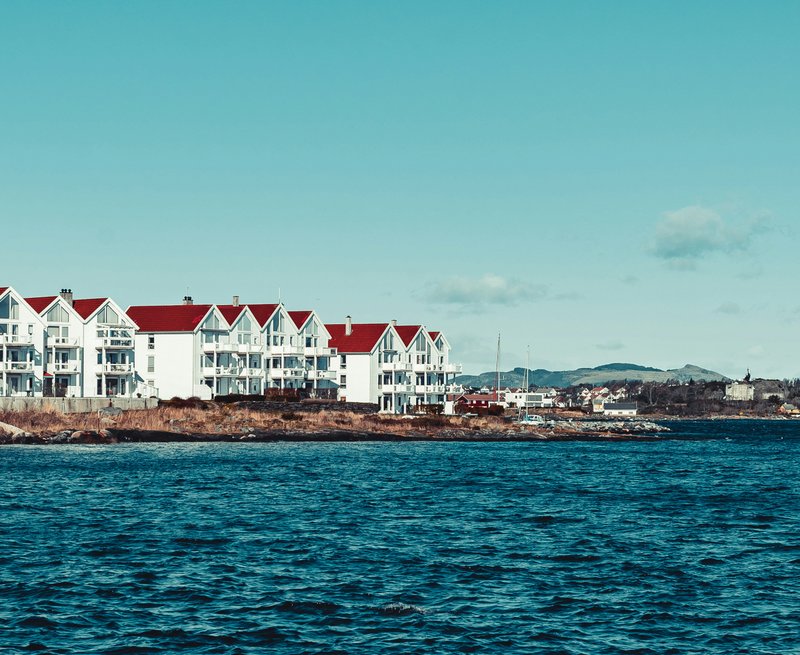
South along the Jæren coast, the landscape shifts to long sandy beaches backed by protected dunes and wetlands — rare terrain for Norway. The fishing villages of Egersund and Flekkefjord retain their maritime character, with wooden boat sheds and harbors still active with small craft. Local chefs work closely with the region's lamb farmers and fishermen; Jæren lamb grazes on salt-sprayed coastal meadows, while the daily catch from Tananger and Kvitsøy arrives within hours of landing. The region's emerging food identity draws from these short supply chains rather than imported traditions.