


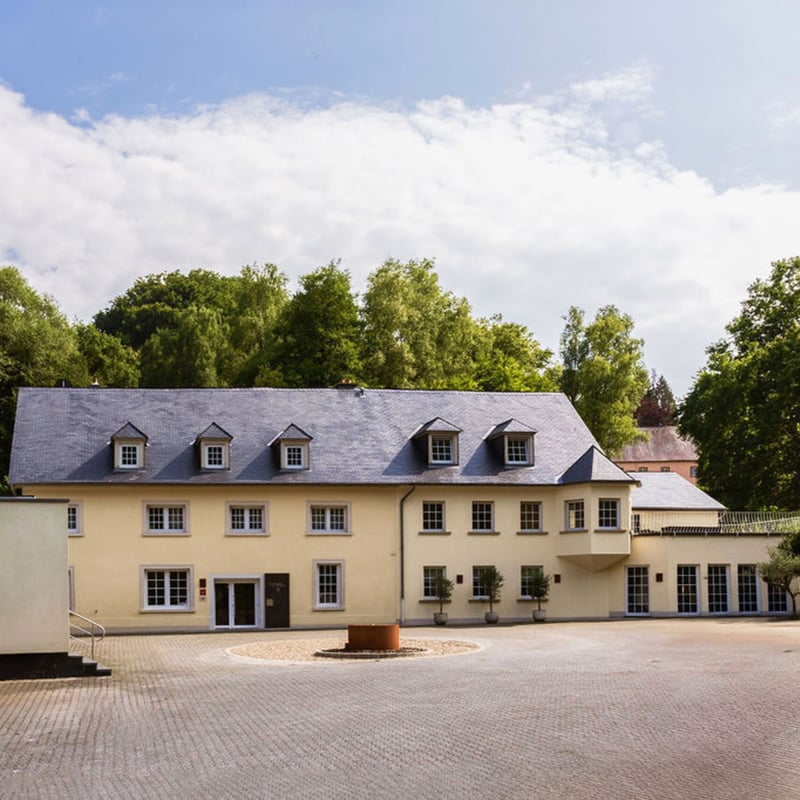
A protégé of René Mathieu, the chef behind this intimate Echternach address earned a Michelin star within six months of opening. The vegetable-driven tasting menu treats seasonal produce as the main event, with meat and fish making only supporting appearances. Upstairs, nine pared-back rooms forgo televisions entirely—just crisp linens, modern art, and the quiet of the Müllerthal countryside.
Müllerthal Travel Guide: Best Hotels, Restaurants & Experiences 
Explore Mullerthal
Hotels (1)
Restaurants (4)
Where to Stay
Where to Eat

★ Michelin
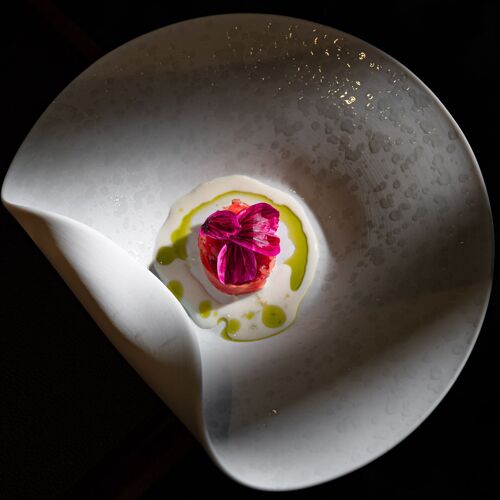
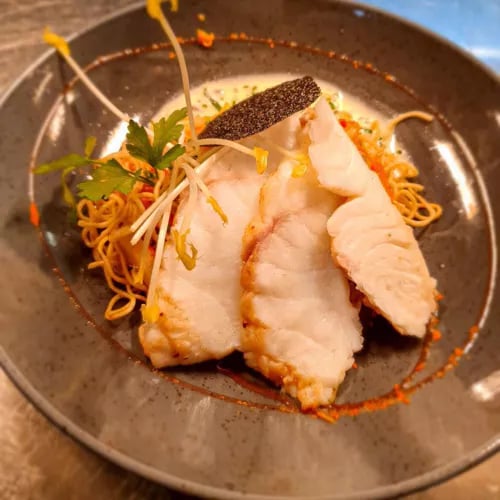
Chef De Prince, shaped by his years alongside René Mathieu at La Distillerie, orchestrates a one-starred table where vegetables claim equal billing with fish and meat. Local sourcing drives the menu—salmon trout tartare arrives with herb salad and a silken caper-parsley emulsion. Modern art lines the walls of this Müllerthal dining room, and guest rooms allow overnight immersion in the kitchen's refined creativity.

Michelin Selected
Bourglinster Castle's historic courtyard shelters this plant-forward brasserie, where a rampart terrace delivers sweeping views across the Müllerthal countryside. The kitchen draws on surrounding nature for bold, vegetable-driven plates—cauliflower rendered as creamy risotto, brightened with marinated tomatoes and toasted hazelnuts. Fish and meat alternatives exist, but the inventive green-leaning menu remains the draw for curious gastronomes.

Michelin Selected
The chef's wife forages wild mushrooms from the surrounding Müllerthal forests, ingredients that find their way into dishes alongside premium produce sourced with exacting care. The signature rare tenderloin arrives with a robust pepper sauce and crisp fries—a study in satisfying simplicity. This traditional hotel-restaurant trades pretension for warmth, offering generous portions in a convivial setting where regulars return for cooking that prioritizes flavor over flourish.

Michelin Selected
A sweeping glass and timber arch rises above a tranquil water feature, housing this bistro from Harald and Maximilian Rüssel—the father-son duo behind Germany's Michelin-starred Rüssels Landhaus. Their concise menu delivers regional cooking with confident, full-bodied flavours: cod à la meunière arrives with pumpkin risotto, crisp broccoli, and a luxuriously silken beurre blanc. Polished family dining with genuine culinary craft.
Frequently Asked Questions
What is the Mullerthal Trail and how does it connect to the region's hotels?
+
The Mullerthal Trail is a 112-kilometre network of hiking paths winding through the region's sandstone formations and forests. Several accommodations position themselves as bases for walkers, offering packed lunches, trail maps, and local guidance for those exploring the route's three main loops.
What type of cuisine can visitors expect in Müllerthal restaurants?
+
Restaurants in the region favour traditional Luxembourgish and regional European cooking. Expect dishes featuring freshwater fish, wild game, local cheeses, and seasonal produce from nearby farms — prepared with care but without excessive formality.
Which villages in the Müllerthal region offer the best dining options?
+
Mullerthal village itself, along with Beaufort and Consdorf, host the area's most regarded restaurants. Echternach, the region's largest town, provides additional options including cafés along the abbey square and establishments serving both local and broader European fare.
Nearby Destinations
Explore Luxembourg



Mullerthal
The Müllerthal region, often called Luxembourg's Little Switzerland, unfolds across a landscape of sandstone formations, narrow gorges, and dense beech forests stretching between Echternach and Berdorf. The area's dramatic geology — towering rock pillars, natural amphitheatres, moss-covered cliffs — has shaped both its appeal and its character, drawing walkers to the 112-kilometre Mullerthal Trail while keeping development deliberately restrained.
Dining here leans toward honest regional cooking rather than theatrical gastronomy. Local establishments serve dishes built around Luxembourgish staples: Judd mat Gaardebounen, trout from nearby streams, game from the surrounding Ardennes. The handful of restaurants scattered across villages like Mullerthal, Consdorf, and Beaufort maintain close ties with regional producers, and meals tend toward the unhurried, reflecting the pace of the landscape itself.