Eleven private hectares along Ungurys Lake, inside Aukštadvaris Regional Park, give this 30-room retreat a genuine wilderness character despite sitting just forty kilometers from Vilnius. The main lodge, constructed from centuries-old cedar, houses rooms with lake or forest views. A spa with Turkish bath, sauna, and jacuzzi complements the indoor pool, while surrounding gardens and nearby golf appeal to active guests seeking refined seclusion.
Where to Stay
Behind a baroque façade on Didžioji gatvė, this 15th-century noble residence preserves original parquet floors, exposed wooden joists, and hand-painted frescoes beneath layers of careful restoration. The 104 rooms pair raised ceilings with a restrained black-and-white palette and Lithuanian artworks. A Turkish bath and sauna anchor the spa, while the landscaped courtyard and atmospheric bar reward those seeking refined calm in the Old Town.
A 1901 landmark overlooking Old Town's cobblestones, the Radisson Collection Astorija carries the weight of Vilnius history through its classic balconies and woven Lithuanian textiles. The glass-walled brasserie frames St. Casimir's Church while serving French cuisine; below, a 15th-century wine cellar holds rare vintages. After dinner, the rooftop lounge and period-style Gin Bar await, while a spa with indoor pool and sauna offers quieter indulgence.
Where to Eat
By day a café, by evening a Michelin-starred destination—Chef-Owner Tadas runs Demo with equal measures of audacity and precision. His two tasting menus deliver genuine surprise at every course, from suckling lamb to the nostalgic kogel mogel dessert, each paired with thoughtfully selected wines. The monochrome interior—black ash, black candles, miniature portraits—mirrors the cooking's bold restraint. A Green Star confirms the kitchen's commitment to sustainability.
Chef Andrius presents a sealed tasting menu at this one-Michelin-starred restaurant, revealing around ten courses that transition with quiet confidence from delicate mushroom dumplings to Danish beef glazed in chicken caramel. The industrial-chic dining room maintains an unhurried ease, though the kitchen counter offers the most compelling perspective—direct conversation with the brigade while produce from the restaurant's own farm arrives plate after plate.
Named for the glass blowers who once worked this Old Town quarter, Stikliai occupies a luminous courtyard dining room beneath a glass roof, greenery spilling between tables. The kitchen delivers classical French cooking with particular finesse in its sauces—Angus beef arrives with a deeply concentrated red wine jus—while desserts like tropical fruit with coconut ice cream and meringue provide memorable finales. Photographs of notable past guests line the walls.
A short walk from Vilnius's Old Town, Amandus operates on a singular rhythm: guests arrive at seven, greeted personally by Chef-Owner Deivydas, who later sends his team tableside with each course. The surprise tasting menu mines historical recipes for contemporary expression—signature beetroot with rye bread and paprika butter anchors the experience. A serious champagne list rewards those willing to forgo conventional pairings.
Behind a stately period façade on Vilniaus Gatvė, industrial-chic interiors set the stage for one-Michelin-starred cooking that pivots on local produce and dry-aged meats displayed in the moody main dining room. The kitchen's creativity surfaces in dishes like beetroot paired with blackcurrant, dashi butter, and pickled elderflowers, or sea bream ceviche lifted by pine nut milk gel and an unexpected hint of coffee.
A Lithuanian chef commands the kitchen at this refined Vilnius Gatvė address, yet the soul remains unmistakably Italian—built on impeccable ingredients and restrained preparation. Handmade pastas shine, particularly the red maltagliati draped in lamb ragout with boletus and cream. Two intimate dining rooms dressed in mirrors and chandeliers offer year-round elegance, while summer opens a flower-laden terrace for leisurely Italian evenings.
Classical technique meets Asian inflection at this Gedimino prospektas address, where the kitchen favors restraint over ornamentation. A summer signature—cod paired with wild garlic purée, peas, and mint oil—exemplifies the clean, ingredient-driven philosophy, while two-toned ravioli reveals quiet technical ambition. The champagne selection runs deep, and rotating themed tasting dinners reward repeat visits from curious palates.
A three-floor historic townhouse sets the stage for Ertlio Namas's singular concept: Lithuanian recipes spanning four centuries, served as seven or nine courses. Diners encounter sixteenth-century beetroot soup with lamb, seventeenth-century goose pie dressed in black sauce, and nineteenth-century elk pekenfleišas drawn from Samogitian tradition. Each dish arrives with scholarly context, turning dinner into edible historiography amid parquet floors and period paintings.
A few kilometers outside Vilnius, this pine-surrounded retreat rewards the journey with an enclosed veranda and garden seating that dissolves the boundary between dining room and forest. The concise seasonal menu—perhaps seven dishes—might feature oysters brightened with pine, scallops with buttermilk, or roasted quail, all preceded by exceptional malted sourdough. Natural wines flow throughout, and the coffee mille-feuille provides a memorable finale.
Beneath a soaring glass roof, HeJi unfolds as a theatrical dining destination where East-West fusion takes center stage. The wood-framed open kitchen commands attention, sending out refined dim sum alongside signature beef preparations kissed by charcoal flame. Caged balconies hover above the cavernous main room, while a champagne bar and intimate cocktail lounge serving inventive Asian-inspired drinks complete this opulent, thoroughly glamorous evening out.
What to Do
Tucked within Vilnius's former glass blowers' quarter, Stikliai Spa occupies a historic address where artisans shaped their craft from the 17th century onward. The intimate wellness space centers on a six-meter heated indoor pool and traditional sauna, while treatment rooms offer bespoke massages by appointment. Guests drift between sessions and the hotel's tranquil winter garden, extending the restorative calm into terroir-driven dining.
Frequently Asked Questions
Which neighborhoods in Vilnius have the best hotels?
+
The Old Town around Pilies gatvė and Cathedral Square concentrates most heritage properties in restored merchant houses and former palaces. Užupis offers boutique options with an artistic edge, while Šnipiškės across the Neris River hosts contemporary business hotels with skyline views.
What traditional Lithuanian dishes should visitors try in Vilnius?
+
Cepelinai — potato dumplings stuffed with meat — remain the national dish, best sampled in cellar taverns. Cold beet soup šaltibarščiai appears everywhere in summer. Kibinai pastries from the Karaite minority and dark rye bread with curd cheese round out essential local flavors.
When is the best season to visit Vilnius?
+
Late May through September offers mild weather ideal for exploring the Old Town on foot. December transforms the city with one of Europe's most celebrated Christmas markets in Cathedral Square. Winter months suit spa visits and candlelit restaurant dining.
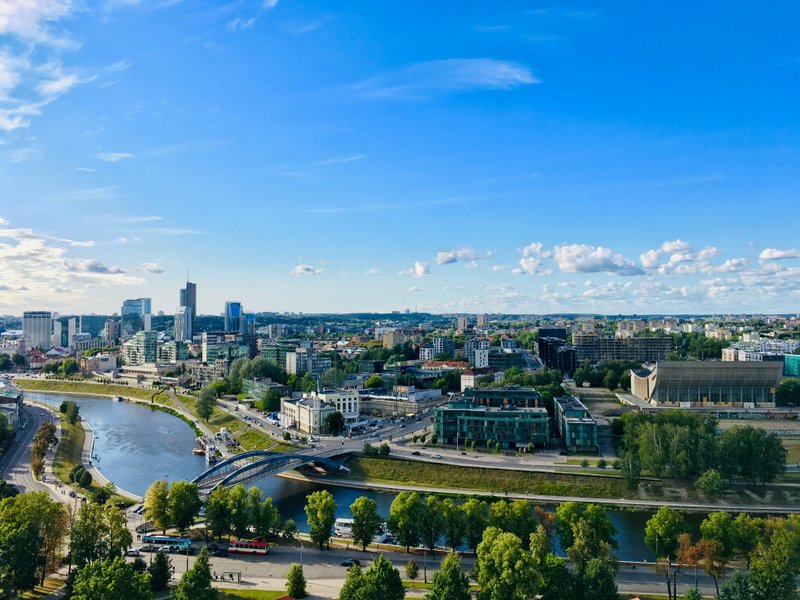
Lithuania's capital unfolds across a dramatic confluence of rivers, its UNESCO-listed Old Town revealing one of Europe's largest surviving medieval cores. The cobblestone streets around Pilies gatvė and the Cathedral Square anchor the city's hospitality scene, while the former Jewish quarter of Užupis — now a self-declared artistic republic — draws a younger creative crowd to its galleries and independent cafés. Soviet-era Šnipiškės has reinvented itself as a business district where sleek contemporary properties rise beside brutalist landmarks.
Dining here moves between restored cellar restaurants serving cepelinai and šaltibarščiai, and ambitious tasting-menu establishments where Nordic-Baltic techniques meet local foraged ingredients. The Halės Turgus market hall remains essential for understanding Lithuanian produce. After dark, wine bars tucked into Gothic courtyards and speakeasy-style cocktail rooms keep the Old Town animated well past midnight, their atmosphere sharpened by the Baltic chill outside.