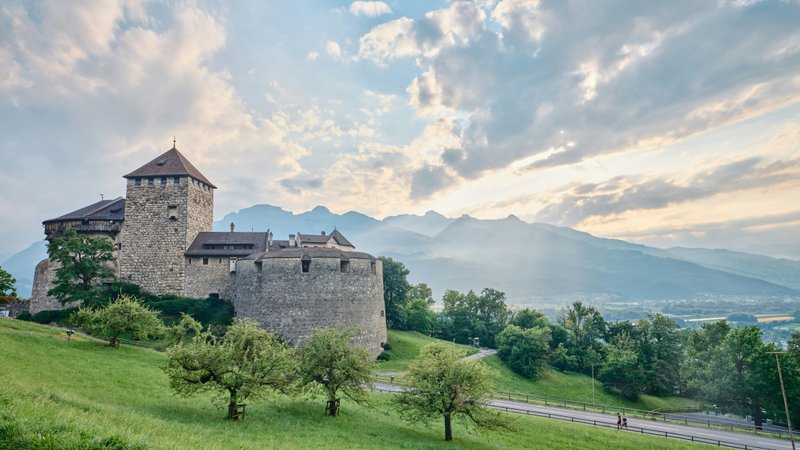
Vaduz Castle looms above, the Alps rise beyond, and vineyards spill down the hillsides—this is the panorama greeting guests at the Real family's 29-room retreat. Themed suites channel either rustic countryside or urban sophistication, while an on-site falconry centre offers a genuinely rare diversion. Helicopter excursions and guided Alpine hikes suit active travelers; the heated indoor pool and spa serve those seeking stillness.
Where to Stay
A family-run retreat in Alpine Liechtenstein, Park Hotel Sonnenhof pairs refined contemporary interiors with spectacular mountain panoramas across its 29 rooms and suites. The wellness center draws from a natural spring for its indoor pool, complemented by jacuzzi, sauna, and steam facilities. Chef-owner Hubertus Real presides over Marée, the flagship restaurant where his culinary precision matches the property's understated elegance throughout.
Where to Eat
A centuries-old wine press anchors the dining room at this one-Michelin-starred address, its weathered wood contrasting with clean contemporary lines. The conservatory's retractable walls blur inside and out, framing Rhine Valley vineyards as a living backdrop. Chef Ivo Berger's kitchen delivers classic cuisine built on impeccable produce, each plate precise and unadorned. The sommelier steers guests toward local bottles with knowing enthusiasm.
Chef Hubertus Real's kitchen at Park Hotel Sonnenhof delivers classic cuisine built on impeccable ingredients, served in a refined dining room where an expert sommelier navigates an extensive cellar. The magnificent terrace rises to an 'Adlernest' viewpoint surveying Vaduz Castle, Alpine peaks, and vineyard slopes—a panorama that turns dinner into occasion. This family-run address suits travelers seeking polished gastronomy with genuine warmth.
A converted farmhouse near the Austrian border, Weinlaube channels rustic Alpine warmth through its Stube-style dining rooms and sun-drenched terrace. Open-fire cooking defines the kitchen's rhythm—barbecue, fire ring, and smoker produce char from nearby Brüggli fish farm alongside seasonal plates brightened with international accents. The wine list runs deep, matched by unhurried, family-style hospitality.
What to Do
Drawing on Asian-inspired design principles, the spa at Park Hotel Sonnenhof creates a meditative sanctuary overlooking the Rhine Valley. A spring-fed pool maintained between 28°C and 31°C offers gentle therapeutic immersion, while the Finnish sauna provides traditional heat contrast. Hot stone and aromatic oil massages complete the recovery ritual—particularly restorative after exploring the hiking trails threading through the surrounding Alpine foothills.
Frequently Asked Questions
What makes Vaduz different from larger Alpine capitals?
+
Scale defines the experience. The entire city center spans roughly 400 meters, allowing visitors to walk between museums, restaurants, and viewpoints within minutes. This compression creates an unusually intimate atmosphere — the same sommelier who poured your lunch wine might later recommend hiking trails to Malbun.
Can visitors access Schloss Vaduz or the royal vineyards?
+
The castle remains a private royal residence closed to visitors, though the surrounding trails offer excellent vantage points. The Hofkellerei, the prince's winery on the Herawingert slopes, welcomes guests for tastings of estate-grown Pinot Noir and Chardonnay — an opportunity to sample wines rarely exported beyond the principality.
When is the best season to visit Vaduz?
+
Late spring through early autumn suits those focused on wine terraces, hiking, and outdoor dining along Städtle. The Föhn wind brings warm, clear days ideal for appreciating the Rhine Valley panorama. Winter transforms the region entirely — nearby Malbun offers skiing, while Vaduz itself quiets into cozy wine bar evenings and museum visits.
Vaduz occupies a peculiar position among European capitals — a town of barely 5,000 residents serving as seat of one of the continent's oldest ruling dynasties. The Schloss Vaduz, perched on a forested ledge above Städtle, remains the Prince's private residence, its medieval silhouette visible from every café terrace below. The main pedestrian street stretches just a few hundred meters, yet concentrates the principality's cultural ambitions: the Kunstmuseum's black basalt cube houses one of Europe's finest private art collections, while the Landesmuseum chronicles Liechtenstein's improbable survival through centuries of Alpine politics.
The dining scene reflects both Austrian influence and Swiss precision. Restaurants along Städtle serve refined interpretations of regional classics — Käsknöpfle, venison from nearby forests, Riesling from the prince's own Herawingert vineyard on slopes just north of town. Evening drinks often migrate to wine bars pouring local Pinot Noir, a varietal that thrives on the sheltered Föhn-warmed hillsides. The compact scale means everything remains walkable — from morning coffee facing the Rhine meadows to dinner with castle views as the last light catches the Drei Schwestern peaks across the valley.