Andrea Palladio designed the original Villa Pisani in the sixteenth century, and the adjacent barchessa—now a sixteen-room hotel—honors that legacy through meticulous restoration and a confident interplay of antique furnishings with contemporary art depicting Renaissance scenes. Gardens and a seasonal pool extend the atmosphere outdoors, while Osteria del Guà anchors the culinary offering with regional Veneto dishes. Architecture devotees and wine-country travelers find an ideal base between Verona and Padua.
Where to Stay
A few minutes' stroll from the Teatro Olimpico, this 27-room boutique property offers a quiet base for exploring Vicenza's underrated historic center. Contemporary rooms in soft tones feature soundproof windows, blackout curtains, and mood lighting—thoughtful touches for light sleepers. The concierge team arranges walking tours and theater tickets, while pet-friendly policies make it practical for travelers with four-legged companions.
Where to Eat
Nearly four decades of Portinari family stewardship have shaped La Peca into a destination of quiet mastery. Chef Nicola Portinari's two-Michelin-starred cooking balances technical precision with restraint—his venison ravioli in fragrant consommé exemplifies this philosophy. A Green Star underscores the kitchen's sustainability commitment, while some two thousand wine labels reward exploration. The reimagined Sachertorte with peanuts and Ghital cheese ice cream closes meals with inventive charm.
Chef Giuliano Baldessari's one-starred kitchen in Barbarano Vicentino offers two distinct paths: tasting menus built around provocative, pared-back compositions, or an à la carte celebrating the generous flavors of 1980s Italian cooking, each dish arriving with an array of small bowls for accompaniment. The latter unfolds amid vintage tableware and period chairs, while colored light effects play across the dining room—a playful, theatrical approach to Venetian gastronomy.
A winding mountain road leads to this family-run dining room where three generations have perfected substantial regional cooking since 1976. The kitchen draws deeply from local traditions, reaching its peak during winter months when game and wild mushrooms dominate the menu. A fireplace warms the intimate space, while the wine list favors organic and biodynamic producers—fitting companions to cooking this rooted in its terrain.
Winding roads climb through the Lessini hills to reach this one-Michelin-starred family affair, where Federico Pettenuzzo shares kitchen duties with his mother—her handmade pastas a quiet highlight—while brother Riccardo orchestrates the dining room. The cooking draws ingredients from across Italy and beyond, assembled into creative compositions that reward the scenic drive from Vicenza with confident, personal gastronomy.
Overlooking Palladio's Renaissance basilica from an elegant first-floor dining room, chef Matteo Grandi presents surprise tasting menus—three, five, or eight courses—shaped entirely by the morning's market finds. His cooking favors purity over embellishment, though subtle Asian inflections recall his years in China. Elena Lanza orchestrates the dining room with warmth, while a dedicated sommelier guides guests through an exceptional cellar.
A winding mountain road leads to this one-Michelin-starred address housed in a converted hay barn above the valley. Chef Corrado Fasolato, shaped by years in starred kitchens, delivers creative cooking rooted in regional tradition. The dining room holds just four tables facing a floor-to-ceiling window—an intimate arrangement where valley panoramas become part of the meal's quiet theatre.
Guests enter through a working butcher's shop and gourmet delicatessen—one of the Veneto's finest—before reaching a dining room where bottles line every wall. This one-Michelin-star table in Arzignano celebrates meat in all its forms: prime regional cuts, imported selections, and occasional exotic preparations share the menu with both classical recipes and inventive contemporary dishes.
Fish and seafood dominate at Al Pozzo, where the kitchen applies a distinctive ageing technique to nearly every catch—intensifying flavour while rendering skins delicately crisp. Raw preparations feature prominently alongside grilled courses, creating textural contrast throughout the meal. The sourcing is impeccable, and desserts close each service with equal finesse. A destination for serious seafood enthusiasts in the Veneto hills.
A country villa on the outskirts of Vicenza channels the intimacy of a private home, its dining room warmed by a crackling fireplace in winter, its veranda flooded with natural light year-round. The kitchen delivers Venetian cooking with both classical restraint and creative ambition, moving confidently between meat and fish preparations that reward travelers seeking a romantic, unhurried meal.
Three intimate dining rooms define Trequarti's minimalist aesthetic, where contemporary cuisine shifts with the seasons and the chef's evolving vision. The kitchen offers both full courses and smaller snack-style plates for guests preferring a grazing approach. Lunch service requires advance booking—a detail that speaks to the focused, unhurried nature of the experience. Michelin Plate distinction.
Frequently Asked Questions
Why is Vicenza called the city of Palladio?
+
Andrea Palladio spent most of his career here between 1540 and 1580, designing the Basilica Palladiana, Teatro Olimpico, and numerous private palazzi that established his signature style of classical symmetry. The concentration of his work earned Vicenza UNESCO World Heritage status and shaped Western architecture for centuries.
What are the signature dishes to try in Vicenza?
+
Baccalà alla vicentina — salt cod slow-cooked with milk, onions, and anchovies — remains the defining local dish, traditionally served on Fridays. Look also for bigoli con l'arna (thick pasta with duck ragù), risi e bisi in spring, and the sweet torta Margherita paired with grappa from nearby Bassano del Grappa.
How do the Berici Hills fit into a Vicenza visit?
+
These limestone hills rise directly south of the city, dotted with Palladian villas like La Rotonda and wine estates producing Colli Berici DOC reds. A half-day drive through villages like Arcugnano and Barbarano offers cellar visits, views across the Po plain, and lunch at countryside osterie serving seasonal Veneto cooking.
Nearby Destinations
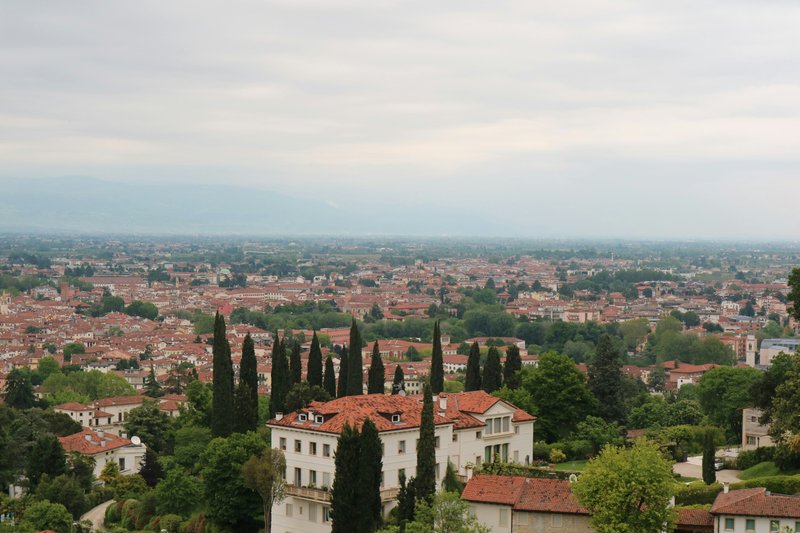
Explore ItalyAndrea Palladio chose this compact Veneto city as his canvas, and his sixteenth-century vision still defines every sightline. The Corso Palladio cuts through the centro storico past the Basilica Palladiana's copper-green roof, while side streets reveal frescoed palazzi converted into intimate guesthouses. Beyond the city walls, the Berici Hills offer agriturismi surrounded by Tai Rosso vineyards and cherry orchards that supply the local tables each spring.
Dining here follows the rhythms of the Veneto plain. Morning espresso at a marble-topped bar in Piazza dei Signori, midday risotto made with Vialone Nano rice from the nearby lowlands, evening aperitivo of local Durello sparkling wine with baccalà mantecato. The restaurant scene clusters around the piazzas and along Contrà Porti, where trattorias serve bigoli pasta and bollito misto to regulars who have occupied the same tables for decades. This is provincial Italy at its most refined — unhurried, rooted in craft, and largely overlooked by the crowds heading to Venice and Verona.



