


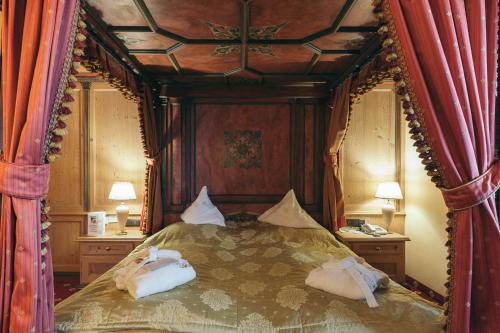
A 67-room retreat in Nova Levante with one of the Dolomites' most comprehensive wellness facilities, Hotel Engel channels alpine hospitality through its thermal circuit—hot spring baths, Turkish hammam, sauna, and jacuzzi flow into both indoor and outdoor pools. Recently refurbished guestrooms offer spacious, elegant quarters, while families benefit from a dedicated kids' club and pet-friendly policies.
Val di Fassa Travel Guide: Best Hotels, Restaurants & Experiences 
Explore Val Di Fassa
Hotels (1)
Restaurants (9)
Where to Stay
Where to Eat

★ Michelin· Green Star ●
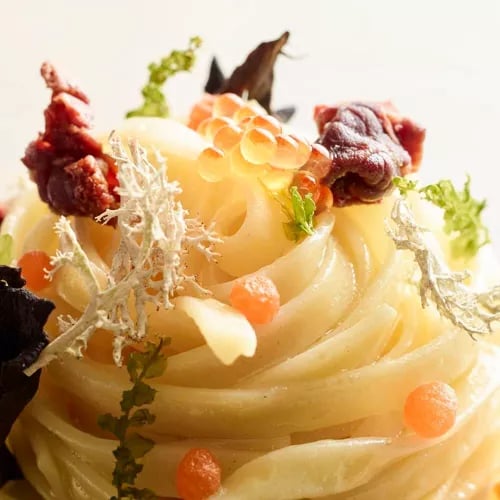
Ancient wooden floors creak underfoot as diners enter this 17th-century mill, where chef-owner Alessandro Gilmozzi crafts a single tasting menu rooted in alpine foraging. His kitchen transforms local herbs, barks, lichens, and resins into dishes of startling originality, paired with rare mountain cheeses, wild game, and freshwater fish. A Michelin star and Green Star recognize both culinary excellence and sustainable practice.

★ Michelin
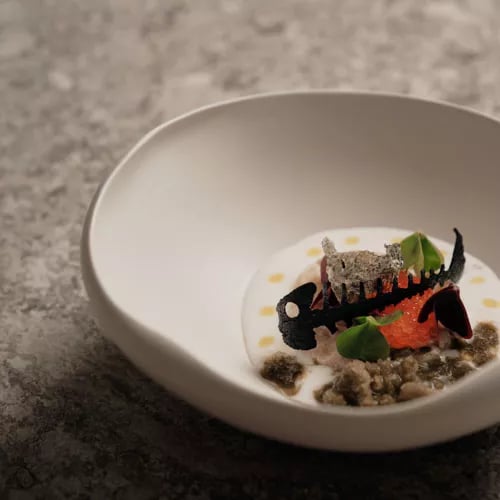
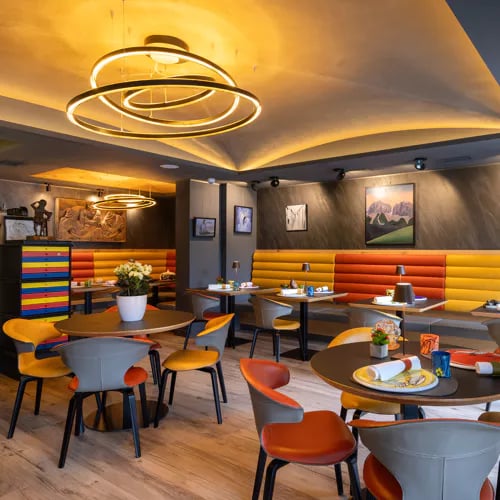
Within the Engel resort, Johannesstube pairs a striking contemporary renovation—stone, wood, and the intimate Dolomia chef's table—with Philip Lochmann's Michelin-starred cooking. His approach favors lightness and precision, letting seasonal Dolomite vegetables command the plate while sommelier Daniela matches each course with labels drawn from Alto Adige and beyond. A refined choice for travelers seeking mountain gastronomy with substance.

★ Michelin
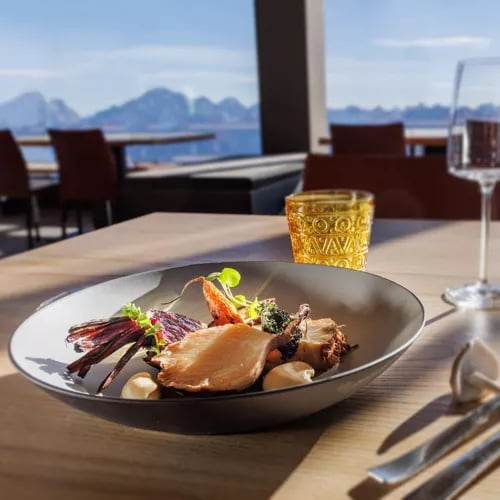
Perched above Moena with sweeping views across Val di Fassa, this former alpine farmstead has evolved into a one-Michelin-starred destination under chef Paolo Donei. His cooking channels Trentino traditions through a contemporary lens, with tasting menus that weave in Mediterranean accents. The glass-walled dining room frames the valley like a living canvas, while a carefully assembled wine list spotlights regional producers.

Michelin Selected
Contemporary canvases and sculptures line the dining rooms of this vibrant restaurant inside the Locanda degli Artisti Art Hotel. The kitchen channels Dolomite terroir through seasonal tasting menus and à la carte plates, each dish reflecting a personal, imaginative approach to regional cooking. A wine list weighted toward Trentino-Alto Adige producers pairs naturally with the mountain-driven flavors.

Michelin Selected
Alpine warmth meets contemporary design at this recently refreshed dining room in Pozza di Fassa, where the owner-chef draws deeply from Ladin culinary heritage while welcoming influences beyond the valley. Dishes rooted in Dolomite tradition arrive with modern finesse, complemented by a thoughtfully regional wine selection. The Michelin Plate recognition confirms steady, reliable cooking for travelers seeking authentic mountain gastronomy.

Michelin Selected
Tucked into the quiet village of Varena, Frosch Restaurant offers an intimate mountain dining room where a gifted female chef crafts contemporary Alpine cuisine with unexpected Mediterranean inflections. Local produce anchors the menu, while fish dishes arrive with southern brightness and foie gras adds international polish. The romantic atmosphere and creative approach suit travelers seeking culinary refinement beyond the crowded resorts of Val di Fassa.

Michelin Selected
Perched at 2,550 meters on Col Margherita, this mountain table brings Alfio Ghezzi's Michelin-starred sensibility to the high Dolomites. A cable car from San Pellegrino pass delivers winter guests to creative regional plates alongside accessible options for families. Summer opens alternative approaches—hiking trails and cycling routes with e-bike charging stations—making the panoramic terrace reward for athletic visitors year-round.

Michelin Selected
Old timber walls and intimate alcoves give Wine & Dine the warmth of a traditional Alpine refuge, yet the kitchen pursues a decidedly contemporary Italian direction. Creative compositions arrive alongside unexpected fish dishes—a counterpoint to the Dolomite peaks visible through every window. Local regulars crowd the tables nightly, a reliable signal of honest cooking at altitude.

Bib Gourmand· Green Star ●
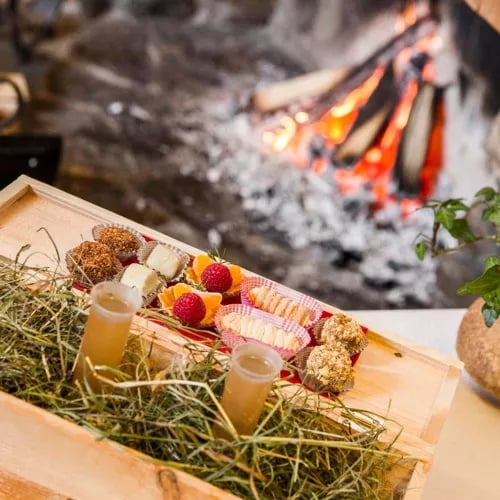
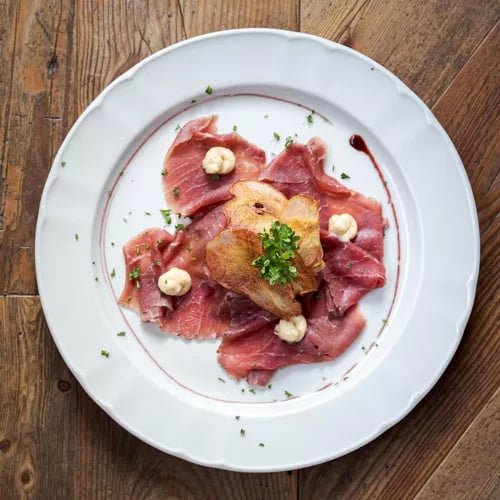
Perched above Moena on a working farm, this Bib Gourmand table turns self-produced meat, charcuterie, and cheese into robust mountain cooking. The signature cheese dumplings with local crudo di Moena and spinach showcase the terroir, while Val di Fiemme char arrives with beetroot and chanterelles in Trentodoc beurre blanc. A Michelin Green Star rewards the kitchen garden ethos, enjoyed beneath antique timbers around a central brazier.

Bib Gourmand
A dense fir forest frames this Bib Gourmand address in Moena, where the kitchen channels Trentino's larder with confident simplicity. Pappardelle ribbons arrive tangled with earthy mushrooms and smoky speck; venison fillet meets a sharp redcurrant reduction. The approach favors robust, honest flavors over fussy technique—ideal for skiers and hikers seeking substantial regional cooking at fair prices.
Frequently Asked Questions
What is the Ladin culture and how does it influence Val di Fassa?
+
The Ladins are a Rhaeto-Romance linguistic minority descended from Romanized Alpine populations. In Val di Fassa, their influence appears in bilingual signage, traditional architecture featuring wooden balconies and painted facades, local festivals like the Gran Festa da d'Istà, and distinctive cuisine including cajincí pasta and fortaia omelettes. The Museum Ladin in Vigo di Fassa documents this heritage extensively.
Which villages in Val di Fassa offer the best access to skiing?
+
Canazei provides the most direct access to the Sella Ronda circuit and Marmolada glacier via the Belvedere gondola. Campitello connects to the Col Rodella lift system. Alba di Canazei offers a quieter base with good connections. Moena, while lower in the valley, links to the Alpe Lusia ski area and suits those preferring a more traditional village atmosphere over intensive skiing.
When is the best season to visit Val di Fassa?
+
The ski season runs from early December through April, with February offering the most reliable snow conditions and March bringing longer days. Summer season spans late June to mid-September, ideal for hiking, climbing, and via ferrata when the high mountain rifugi open. September brings the Enrosadira phenomenon — the Dolomites' famous pink alpenglow — at its most intense, with fewer visitors than peak summer weeks.
Nearby Destinations
Explore Italy



Val Di Fassa
Val di Fassa occupies a dramatic corridor through the western Dolomites, its seven villages strung along the Avisio River beneath the pale limestone towers of the Catinaccio and Marmolada massifs. The valley has belonged to the Ladin-speaking community for over a millennium — their Rhaeto-Romance language still echoes in place names, local festivals, and the wooden signage outside family-run masi. Canazei anchors the upper valley with direct lifts to the Sella Ronda circuit, while Moena at the lower end maintains a quieter tempo, its painted facades and baroque church suggesting an earlier alpine tourism era.
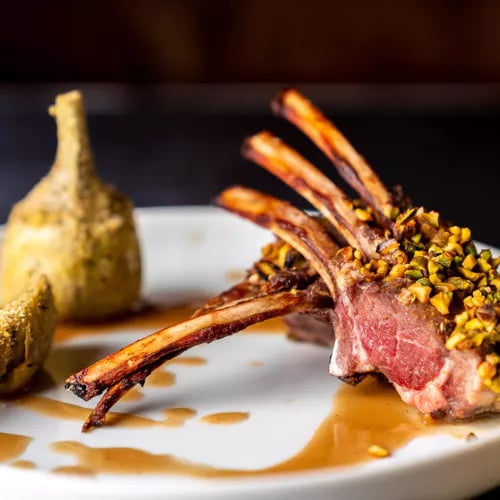
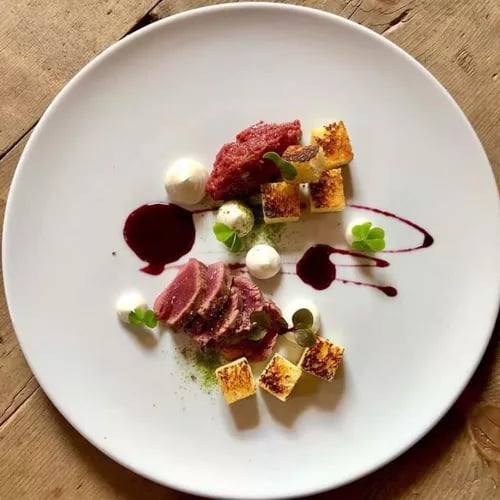
The dining scene reflects this cultural layering. Ladin cuisine — canederli, cajincí stuffed pasta, and game from the surrounding forests — appears alongside Alto Adige influences and contemporary Italian cooking. Rifugi accessible by cable car serve spätzle and apple strudel to skiers at altitude, while valley-floor restaurants offer more refined interpretations of mountain gastronomy. Summer shifts the focus to hiking and via ferrata routes, when hotel terraces fill with climbers returning from the Catinaccio's legendary rose-tinted sunsets.