


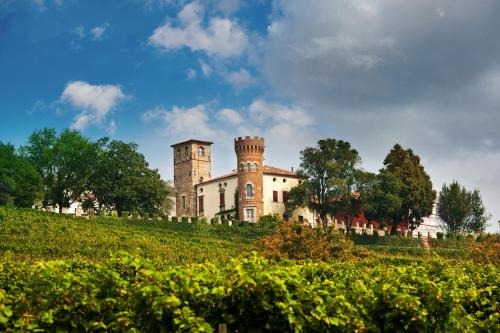
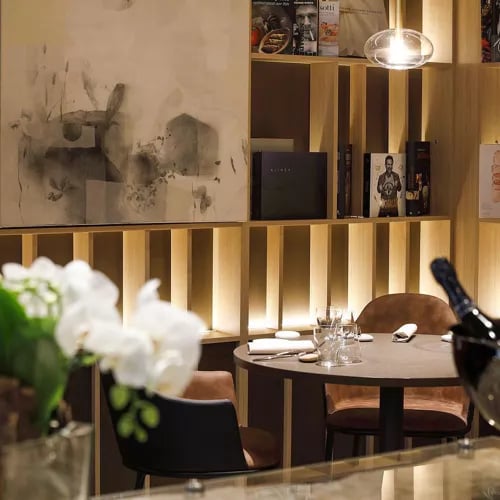
Eight guestrooms occupy this restored castle amid Friulian vineyards, each dressed in fine fabrics beneath precious chandeliers. The intimate scale allows for unhurried service, including a small restaurant where the day's regional dishes are announced tableside rather than printed on menus. Summer evenings unfold on a terrace overlooking the vines—an address for travelers seeking aristocratic calm over urban bustle.
Udine Travel Guide: Best Hotels, Restaurants & Experiences 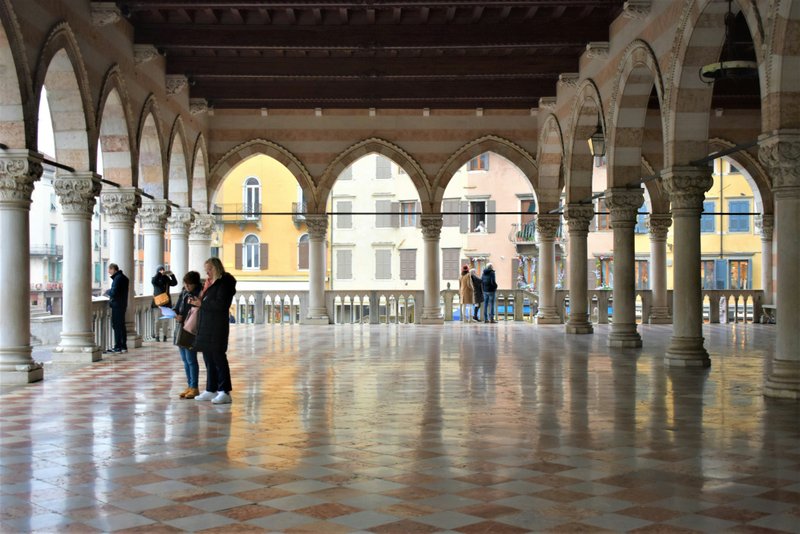
Explore Udine
Hotels (1)
Restaurants (7)
Where to Stay
Where to Eat

★★ Michelin
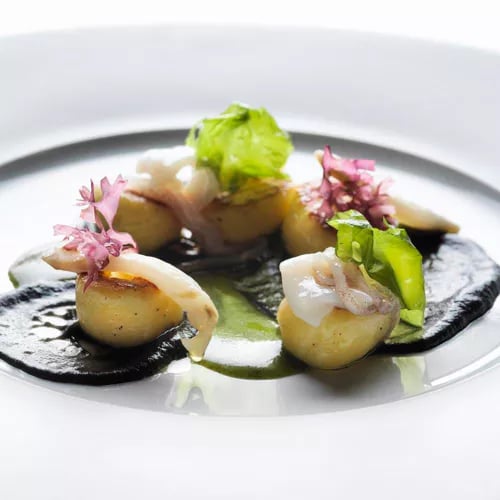
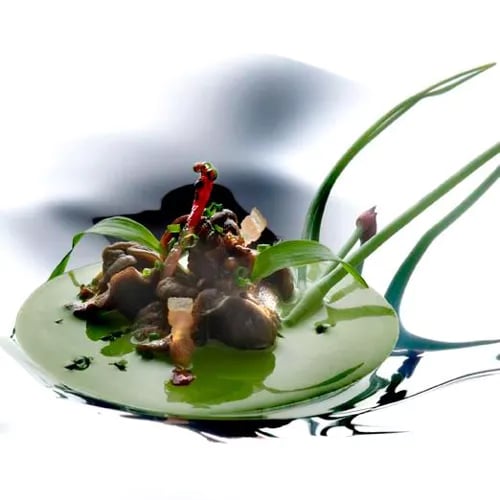
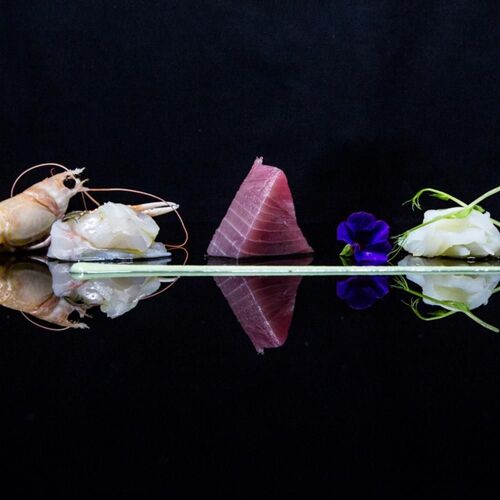
Emanuele Scarello's two-star kitchen draws from Friuli-Venezia Giulia's crossroads of cultures and terroirs—pastureland, alpine slopes, market gardens—to compose dishes of exacting artistry. His signature reimagining of butter-and-sage through Godia potatoes, fermented turnips, and apple exemplifies the approach. Two tasting menus, including a vegetarian sequence, alongside beloved à la carte classics; Michela's polished yet warmly familial service completes the picture.

★ Michelin
Perched above Santa Croce lake with mountain peaks framing the horizon, Dolada has been the De Pra family's domain for over a century. Chef Riccardo works an open hearth in intimate dining rooms, turning local game, wild mushrooms, and freshwater fish into one-starred Venetian cuisine of striking clarity. The family's own vineyard and kitchen garden supply ingredients that arrive fragrant and uncompromised.

★ Michelin
The Canton family has presided over this one-Michelin-starred table for more than 150 years, and the current generation maintains its reputation for refined gastronomy. Chef Andrea orchestrates land and sea ingredients with contemporary finesse, served beside a majestic stone fireplace. The wine program deserves particular attention—sommelier Marco offers bespoke by-the-glass pairings at markups that remain remarkably fair by Italian standards.

Michelin Selected
Sostansa crafts what it calls "urban dishes"—a philosophy rooted in market-driven cooking where seasonal produce takes center stage. Lunches offer either à la carte selections or a business menu announced tableside, while evenings shift to surprise tasting formats that let the kitchen narrate its own story. The resulting plates are generous, visually striking, and grounded in regional tradition.

Michelin Selected
Since the mid-nineteenth century, Vitello d'Oro has built its reputation on exceptional fish preparations rooted in Friulian tradition. A comprehensive 2019 restoration refreshed the dining room while preserving the kitchen's unwavering focus on regional seafood. The Michelin Plate holder delivers polished, ingredient-driven plates in an elegant setting suited to travelers seeking authentic northeastern Italian gastronomy.

Bib Gourmand
A stone and brick farmhouse wrapped in woodland, this Bib Gourmand address channels Friulian tradition through charcoal grilling and a dining room warmed by a fogolar fireplace. The kitchen excels at creamy risottos—clams, saffron, and courgette flowers proving a benchmark—while the cellar stocks estate wines from the family's own vineyards, grounding every meal in regional authenticity.

Bib Gourmand
A fireplace crackles in the classic dining room of this Bib Gourmand address near Udine, filling winter evenings with the scent of burning wood. The chef-owner builds his menu around Friulian ingredients and the turning seasons—golden frico arrives with steaming polenta, rich duck ragout cloaks fresh tagliatelle, and snails à la bourguignonne bring their intense, earthy perfume to every table.

Michelin Selected
A quiet village near Udine hosts this contemporary address where regional Friulian cooking arrives with personality and precision. Two dining rooms offer contrasting moods—one relaxed and convivial near the entrance, the other more refined—while a generous terrace extends the experience into warm-weather months. The kitchen holds a Michelin Plate, confirming its consistent quality and honest approach to local ingredients.

Michelin Selected
Beneath the bell tower of a Friulian village, Al Grop centres its regional kitchen on grilled meats and seasonal asparagus, served in a dining room warmed by a crackling fireplace. The meal concludes with a classic dessert trolley, a ritual increasingly rare in contemporary restaurants. Comfortable guesthouse rooms allow visitors to extend the evening into an unhurried countryside stay.

Michelin Selected
An old farmhouse draped in elegant fabrics houses this keeper of Friulian tradition, where generations of the same family have perfected regional meat cookery. The centerpiece: a working fireplace fitted with a large spit, turning game and roasts to burnished perfection in full view of diners. Rustic refinement for those seeking authentic northeast Italian cuisine away from tourist circuits.
Frequently Asked Questions
What neighborhoods should I explore when staying in Udine?
+
The centro storico around Piazza della Libertà offers the densest concentration of historical interest, with Tiepolo masterworks and Venetian architecture. The Borgo Stazione area near the train station has seen recent renewal with contemporary dining options, while the streets climbing toward the castle provide quieter residential charm with views across to the Julian Alps on clear days.
How does Udine's food culture reflect its border position?
+
Friulian cuisine carries traces of every empire that passed through. Austrian influence appears in the popularity of goulash and strudel, Slovenian traditions inform the use of horseradish and certain pastries, while Venetian rule left its mark on seafood preparations despite Udine sitting inland. The region's own contributions — frico, cjarsons dumplings, and gubana sweet bread — remain the daily staples in local kitchens.
What makes Udine different from other northeastern Italian cities?
+
Udine maintains a provincial rhythm largely untouched by mass tourism. The city functions as Friuli's cultural capital with an active university, respected theater scene, and strong regional identity distinct from neighboring Veneto. Friulian, a Romance language separate from Italian, still appears on street signs and in daily conversation among older residents.
Nearby Destinations
Explore Italy



Udine
Udine reveals itself slowly. The Venetian lion atop the column in Piazza della Libertà announces centuries of Republic influence, while Tiepolo's frescoes in the Duomo and Oratorio della Purità reward those who venture beyond the arcaded streets. The centro storico unfolds around three linked piazzas — Libertà, San Giacomo, and Matteotti — each with distinct character, from morning market stalls to evening aperitivo crowds spilling onto terraces.
Friulian hospitality runs deep here. Local proprietors maintain the region's tradition of genuine welcome, whether in converted palazzi near the castle hill or contemporary properties along the ring roads. The kitchen culture draws from Austrian, Slovenian, and Venetian influences — frico with polenta, San Daniele prosciutto from the hills an hour north, Montasio cheese aged in mountain dairies. Evenings begin with a tajut of local wine at a neighborhood osteria before dinner in one of the trattorias tucked along Via Mercatovecchio.