


An 18th-century mansion overlooking Castellammare del Golfo's photogenic harbor, Costamante delivers the modern-classic Italian aesthetic in intimate format—just seven suites, each shaped by the building's historic quirks and equipped with private kitchens for independent stays. The spa punches above its weight with sauna, jacuzzi, and Turkish bath, while nearby wine tours extend the Sicilian immersion beyond the property's stone walls.
Trapani & Western Sicily Travel Guide: Best Hotels, Restaurants & Experiences 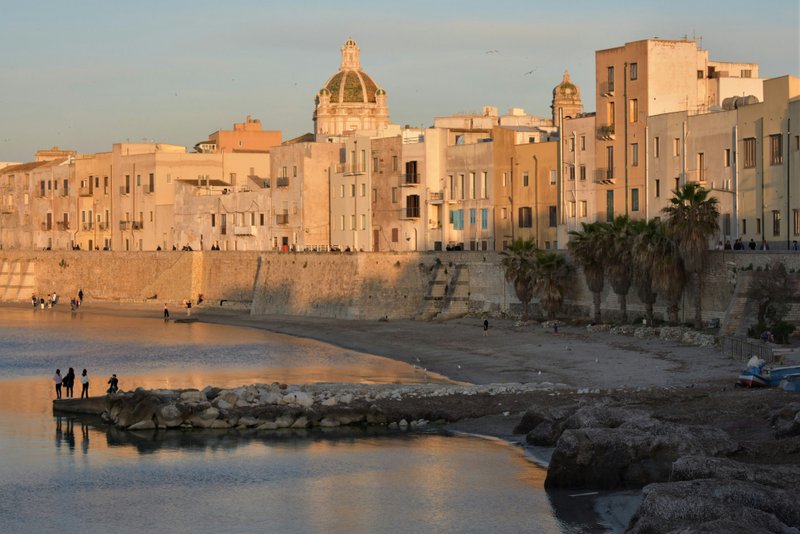
Explore Trapani Western Sicily
Hotels (4)
Where to Stay

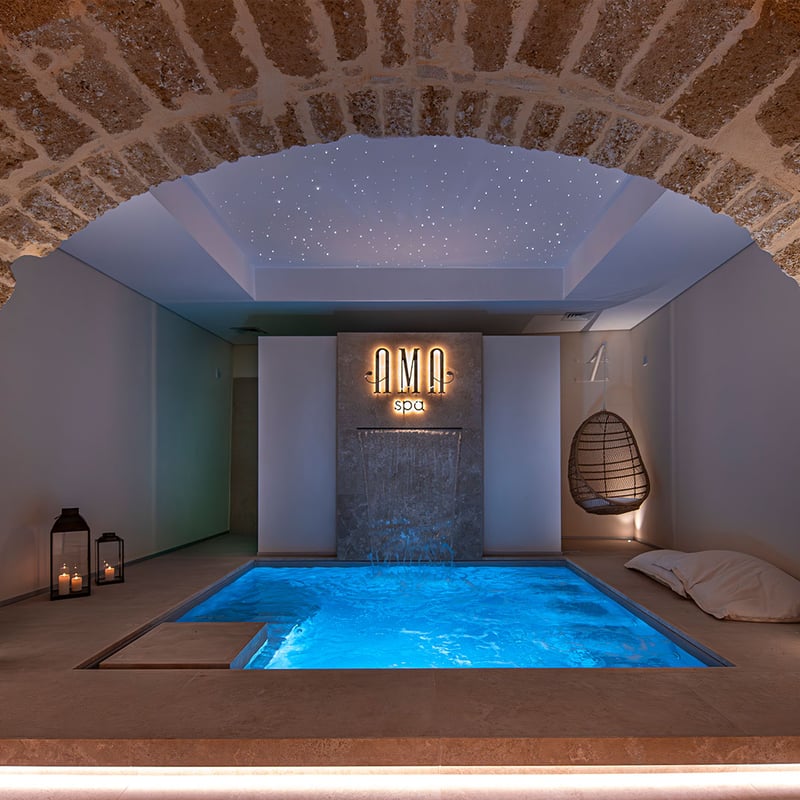
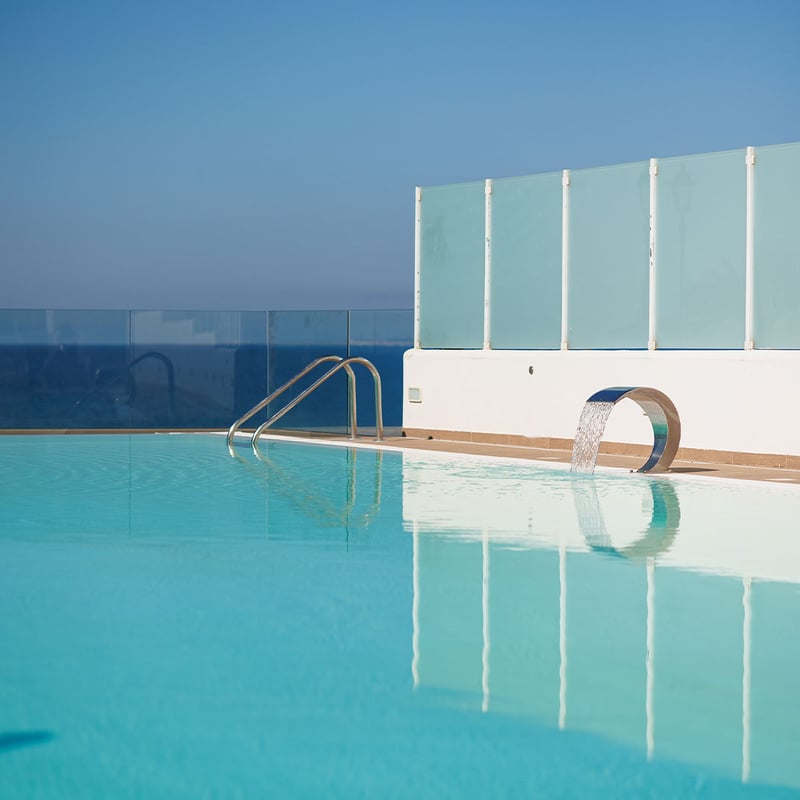
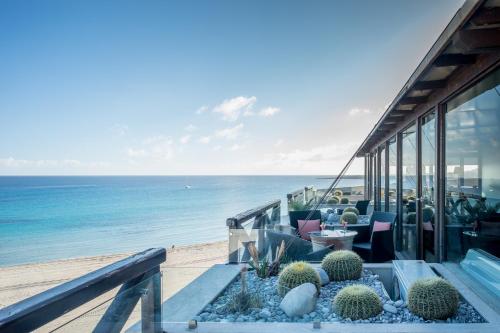
Perched directly above the Gulf of Castellammare, this intimate 19-room property commands sweeping coastal views from its elevated position west of Palermo. Traditional Sicilian architecture gives way to contemporary interiors—near-monochrome rooms punctuated by bold Mediterranean blues, equipped with chromatherapy showers. An infinity pool mirrors the sea below, while the spa offers Turkish bath, sauna, and jacuzzi treatments for travelers seeking refined coastal simplicity.

A sixteenth-century baglio perched on a hillside near San Vito Lo Capo, this courtyard farmhouse pairs rustic antique wood textures with sleek contemporary design across its twenty rooms. The property's organic farm supplies Jitan Mediterranean Mood & View, where chefs reinterpret Sicilian classics with estate-grown produce. A seasonal outdoor pool, jacuzzi, and landscaped gardens suit travelers seeking agrarian tranquility within reach of the coast.

This 35-room boutique property claims the prime position where San Vito Lo Capo's celebrated beach meets the historic town center. Rooms channel urban design-hotel sophistication with views stretching across sand or centuries-old streets. The kitchen draws from the hotel's own farm for Sicilian dishes served in the garden or at the beachfront Cous Cous Cafe. A full spa with Turkish bath, sauna, and jacuzzi rounds out the amenities.
Where to Eat

Michelin Selected
Owner-chef Nicola Bandi anchors his cooking in Sicilian tradition while applying a personal, inventive touch that gives each plate distinct character. The Trapani-style mullet honors local seafood heritage, while beef fillet dressed in a red sauce with wild herbs demonstrates equal command of meat. An outdoor terrace lines Via Garibaldi, and the regional wine list runs deep with Sicilian producers worth exploring.

Michelin Selected
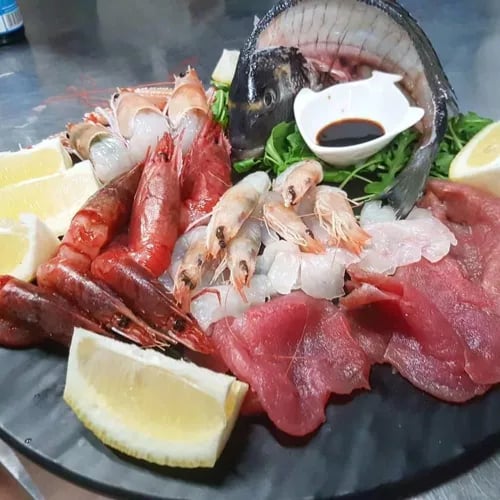
A few steps from Cala Piccola, this family-run address has quietly built a devoted following in Castellammare del Golfo. The kitchen, led by a son who honed his craft elsewhere before returning home, delivers precise Mediterranean preparations of local fish and seafood with a Sicilian accent. The intimate dining room, impeccably maintained, suits those seeking a relaxed yet refined coastal meal with a Michelin Plate distinction.

Michelin Selected
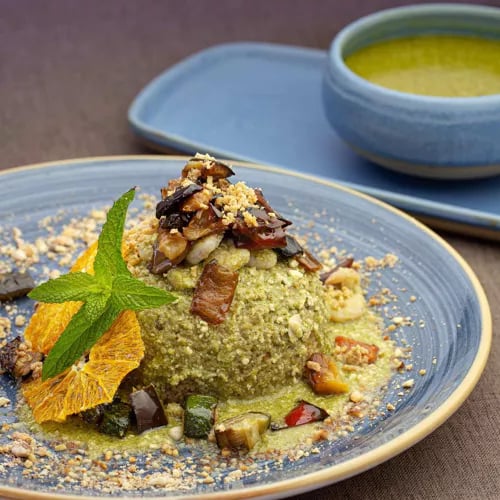
San Vito lo Capo's celebrated couscous tradition finds confident expression at this Michelin-recognized address on Via Regina Margherita. The kitchen builds its reputation around the North African grain, prepared with Sicilian inflection, though the menu extends to regional specialties worth exploring. Summer transforms the experience entirely: meals unfold in an internal courtyard shaded by citrus trees, their fragrance mingling with saffron and seafood.
Frequently Asked Questions
What is the best area to stay in Trapani for exploring western Sicily?
+
The centro storico offers the most walkable base, with direct access to the port for Egadi Islands ferries and proximity to restaurants along Corso Vittorio Emanuele. For those prioritising beaches and the Zingaro nature reserve, the coastal stretch between Castellammare del Golfo and San Vito Lo Capo provides closer access to the region's finest swimming spots.
How accessible are the Egadi Islands from Trapani?
+
Hydrofoils and ferries depart regularly from Trapani's port, reaching Favignana in approximately 25 minutes and Levanzo in 20. Marettimo, the most remote of the three, requires around 50 minutes by fast boat. Services run frequently from spring through autumn, with reduced winter schedules.
When is the ideal season to visit Trapani and western Sicily?
+
Late April through June brings mild temperatures, wildflowers across the countryside, and the traditional mattanza tuna harvest (though now largely ceremonial). September and October offer warm seas, fewer visitors, and the grape harvest in Marsala's wine country. July and August see peak crowds and intense heat, though coastal breezes moderate conditions along the seafront.
Nearby Destinations
Explore Italy



Trapani Western Sicily
Trapani's centro storico unfolds along a sickle-shaped peninsula where Norman, Arab, and Spanish influences layer across narrow streets lined with baroque churches and salt-worn palazzi. The seafront promenade runs from the old fishing port toward the Lazzaretto, with accommodation ranging from restored townhouses in the historic core to coastal properties overlooking the Egadi Islands. Nearby Erice, perched at 750 metres, offers a cooler retreat with medieval stone architecture and views that stretch to Tunisia on clear days.
The western coast between Marsala and San Vito Lo Capo presents a distinct character — working salt flats backed by windmills, the archaeological weight of Selinunte and Segesta, fishing villages like Scopello with its tonnara. Properties here tend toward converted rural estates and seaside addresses. The cuisine reflects this maritime and agricultural heritage: couscous alla trapanese arrived from North Africa centuries ago, while the tuna traditions of Favignana shaped generations of recipes still served in trattorias along Via Garibaldi.