


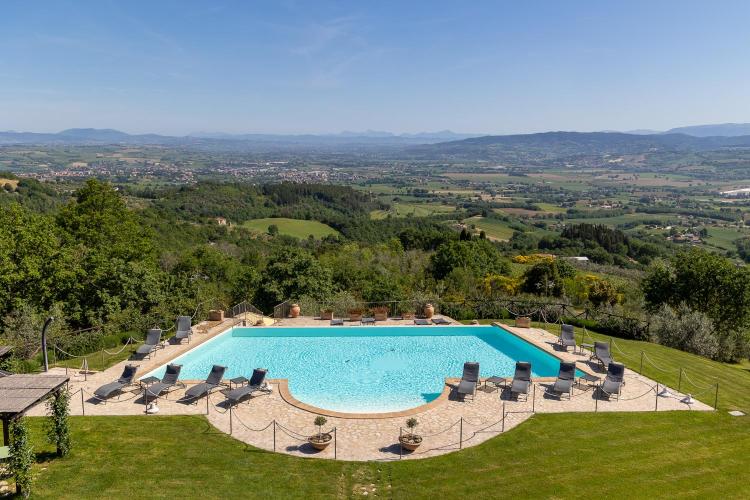
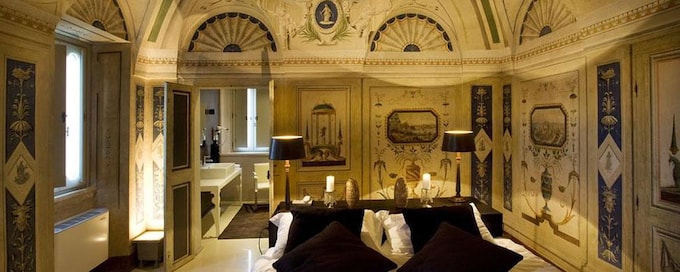
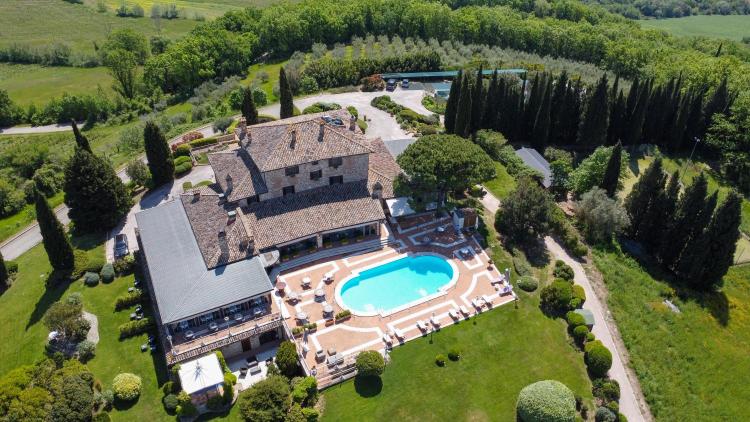
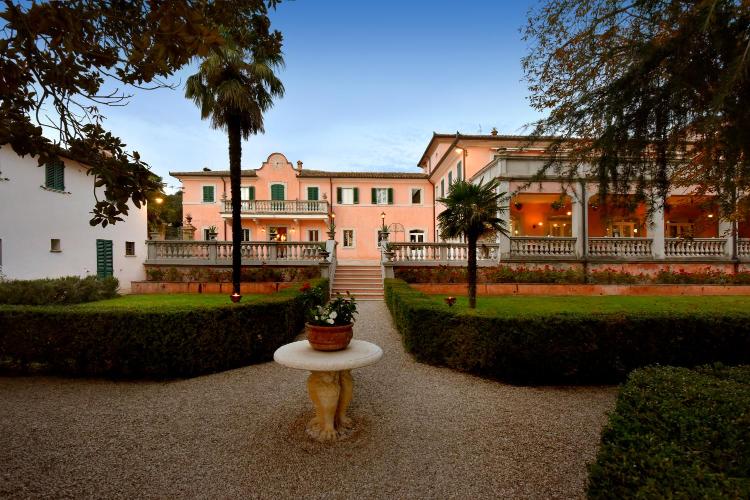
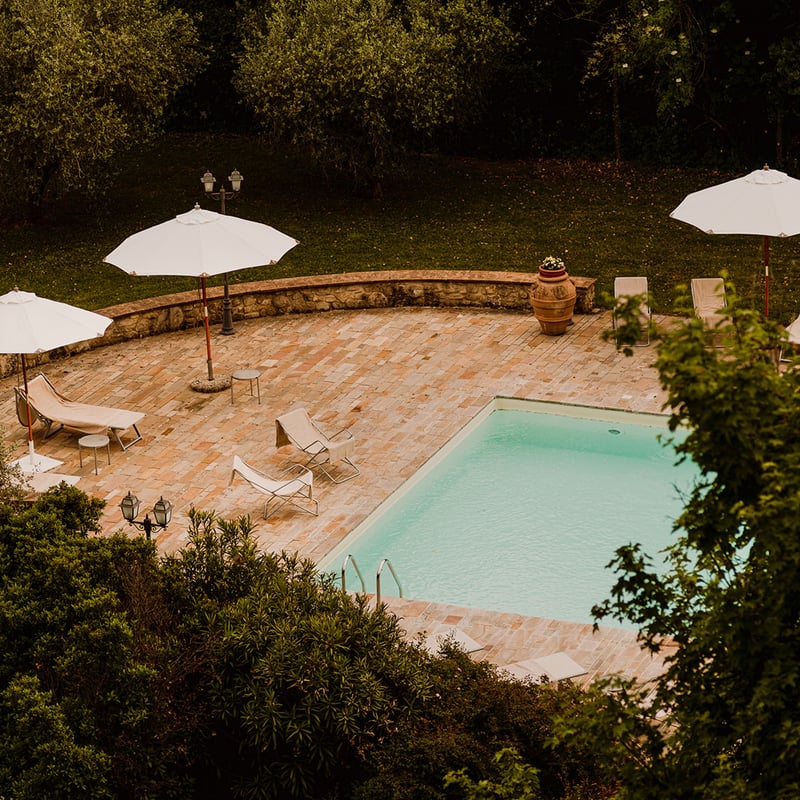
Nine antique-furnished rooms compose this intimate retreat near Todi, where returning guests speak to the warmth of the welcome. Mediterranean scents drift through blooming gardens toward a generous seasonal pool, while evenings center on refined dining in a setting distinctly suited to romance. The atmosphere recalls staying with cultivated friends rather than checking into a hotel.
Todi & Montefalco Travel Guide: Best Hotels, Restaurants & Experiences 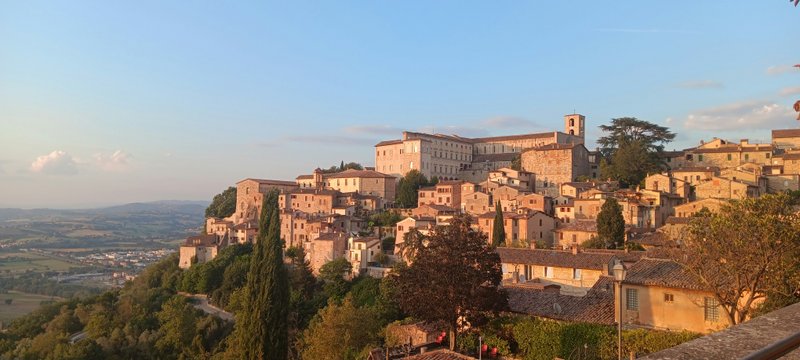
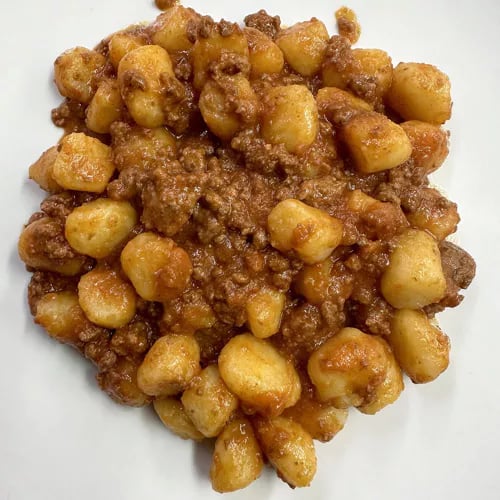
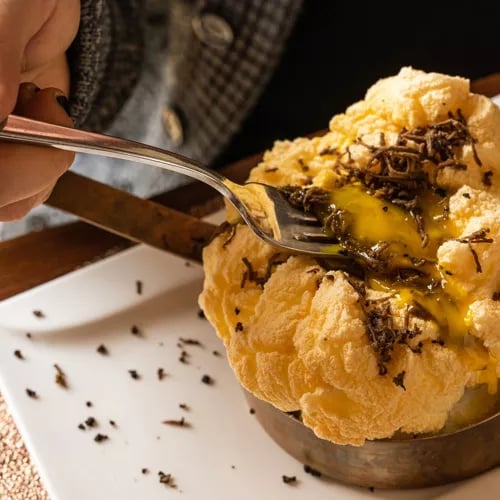
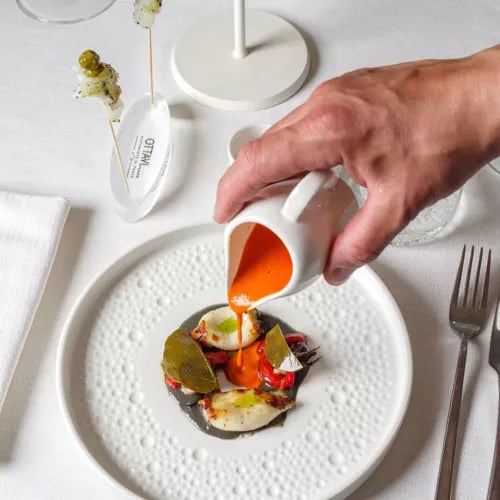
Explore Todi Montefalco
Hotels (2)
Restaurants (2)
Where to Stay

A former bishop's palace anchors Montefalco's main piazza, its frescoed ceilings and Renaissance bones now dressed in designer furnishings and contemporary art. The intimate thirteen-room property houses a small gallery and wellness center with Turkish bath and sauna, while bicycles stand ready for vineyard expeditions. An excellent restaurant completes the picture for travelers seeking Umbrian authenticity with modern polish.

Crowning an Umbrian hilltop with sweeping 360-degree views across the countryside, Relais Todini operates as a working wine estate where guests can tour the cantina and taste surprisingly affordable vintages. The sophisticated restaurant anchors evening dining, while families find particular appeal in the on-site animal park. Vast hunting grounds extend the domain for those seeking privacy and rural pursuits.

A 16th-century residence beneath Montefalco's vineyard-striped hills, Villa Zuccari trades aristocratic formality for the relaxed warmth of a family home. Guests settle into generously sized suites—many interconnecting for families—while children claim the gardens and swimming pool as their own. The location proves strategic: Umbria's medieval hill towns, from Spoleto to Assisi, lie within comfortable driving distance.

A medieval Umbrian hamlet encircled by ancient Roman walls, Aethos Saragano operates as an albergo diffuso — ten suites scattered across restored village buildings, each blending contemporary design with rustic stone. Restaurant Ceci channels Slow Food principles into regional cooking, while the wine bar pours natural bottles from lesser-known producers. Between spa sessions overlooking the hills and hands-on truffle hunts, this is immersive Umbria for travelers seeking substance.

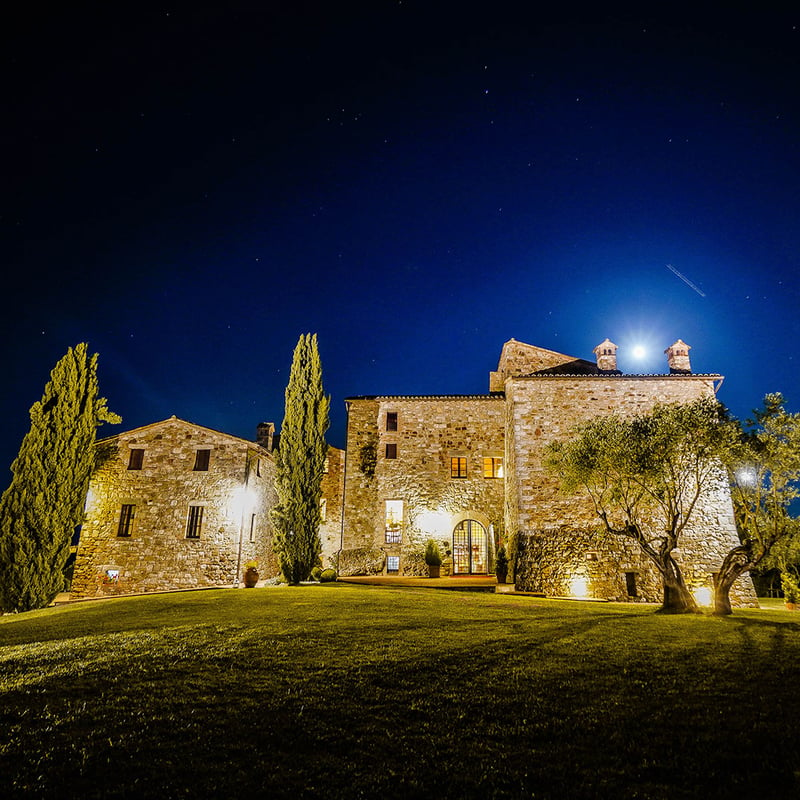
A medieval watchtower rising on Roman foundations surveys the Tiber valley and the distant silhouette of Todi from this intimate 13-room retreat. The estate's 17th-century water mill still grinds flour for Restaurant La Canonica's daily bread and fresh pasta, while olive groves and kitchen gardens supply chef Pasquale Quitadamo's seasonal menus. Acres of citrus trees and forest envelop rooms decorated in authentic 18th-century style.
Where to Eat

Michelin Selected
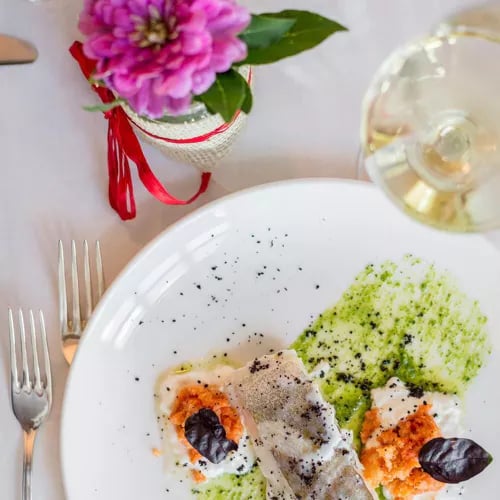
Panoramic views of Todi unfold from this elegant villa restaurant, where the kitchen draws on Umbrian tradition while pushing toward modern expression. Estate-grown olive oil and wine anchor the menu; the roast suckling pig with rosemary potatoes deserves its reputation. A well-chosen champagne selection adds unexpected depth. Part of the sustainable Roccafiore estate, the setting among vines and olive groves suits unhurried, contemplative dining.

Bib Gourmand
A sixteenth-century farmhouse crowns this hilltop agriturismo, its kitchen garden supplying chef Giuseppe Fabrizi with vegetables that arrive at the table within hours of harvest. The Bib Gourmand-recognized cooking celebrates Umbrian terroir through local olive oils, regional wines, and black truffles when autumn permits. Views sweep across the countryside toward Montefalco, ten minutes distant by car.

Michelin Selected
Medieval Gualdo Cattaneo provides the atmospheric backdrop for this Umbrian table where zero-kilometer ingredients and prized truffles anchor the menu. The open-view grill commands attention, turning carefully selected cuts—including Prussian beef—into smoky, caramelized centerpieces. A small inn above the dining room offers overnight stays for those reluctant to leave the gentle valleys surrounding Foligno.

Michelin Selected
Steps from Bevagna's medieval Piazza Filippo Silvestri, this intimate address brings the Adriatic to landlocked Umbria through Italian Contemporary cooking that pairs ocean flavors with regional tradition. The kitchen holds a Michelin Plate for dishes that stay balanced yet deliberately unpredictable. Three tasting menus—each offered in full or abbreviated formats—let diners calibrate the evening to appetite and curiosity alike.

Michelin Selected
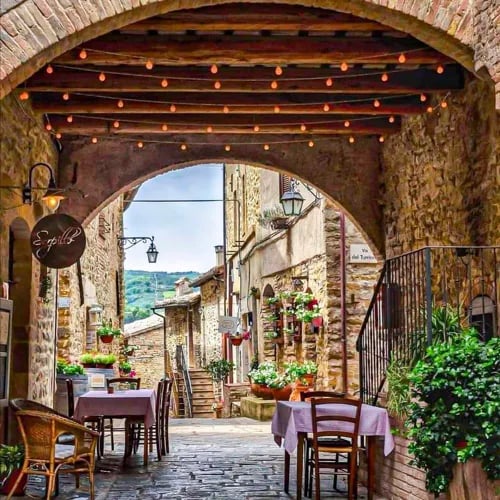
An ancient olive mill provides the atmospheric backdrop for Serpillo, tucked within Torre del Colle's medieval walls near Bevagna. The kitchen delivers regional Italian cooking through a focused menu where contemporary touches enliven traditional preparations. Stone walls and rustic textures frame each course, while the concise selection demonstrates careful sourcing and thoughtful execution at accessible prices for this level of craft.
Frequently Asked Questions
What is the best time of year to visit Todi and Montefalco?
+
Late April through June offers ideal conditions—warm days, blooming wildflowers, and the Sagrantino vines in full leaf. September and October bring grape harvest season, when cantinas open for tastings and the hillsides turn golden. Summer draws crowds and heat; winter is quiet but atmospheric, with truffle season running November through February.
How far apart are Todi and Montefalco?
+
The two towns sit roughly 25 kilometers apart, connected by a scenic drive through the Valle Umbra that takes approximately 35 minutes. Many visitors base themselves in one and make day trips to the other, or split their stay between both to experience Todi's medieval grandeur and Montefalco's wine country setting.
What local wines should we try in Montefalco?
+
Sagrantino di Montefalco DOCG is the flagship—a powerful, tannic red made from the indigenous Sagrantino grape found almost nowhere else. Montefalco Rosso DOC offers a more approachable blend of Sangiovese, Sagrantino, and Merlot. Most estates welcome visitors for tastings, with Arnaldo Caprai, Antonelli San Marco, and Scacciadiavoli among the established names.
Nearby Destinations
Explore Italy


Todi Montefalco
Todi rises from the Tiber Valley like a medieval citadel frozen in amber, its Piazza del Popolo among the finest public squares in central Italy. The town's Etruscan foundations give way to Roman cisterns and Gothic palaces, while Montefalco—the so-called balcony of Umbria—surveys a patchwork of olive groves and Sagrantino vineyards from its circular walls. Between these two hill towns, a landscape of stone farmhouses and Romanesque churches unfolds along winding roads lined with cypress.
The dining scene draws from a larder shaped by centuries: lentils from Castelluccio, black truffles from Norcia, wild boar from the surrounding forests. Montefalco's trattorias pour Sagrantino by the glass alongside hand-cut pasta, while Todi's restaurants occupy Renaissance cellars and terraced gardens with views across the valley. This is slow-paced Umbria at its most concentrated—a corner of Italy where the rhythms of harvest and feast still govern daily life.