


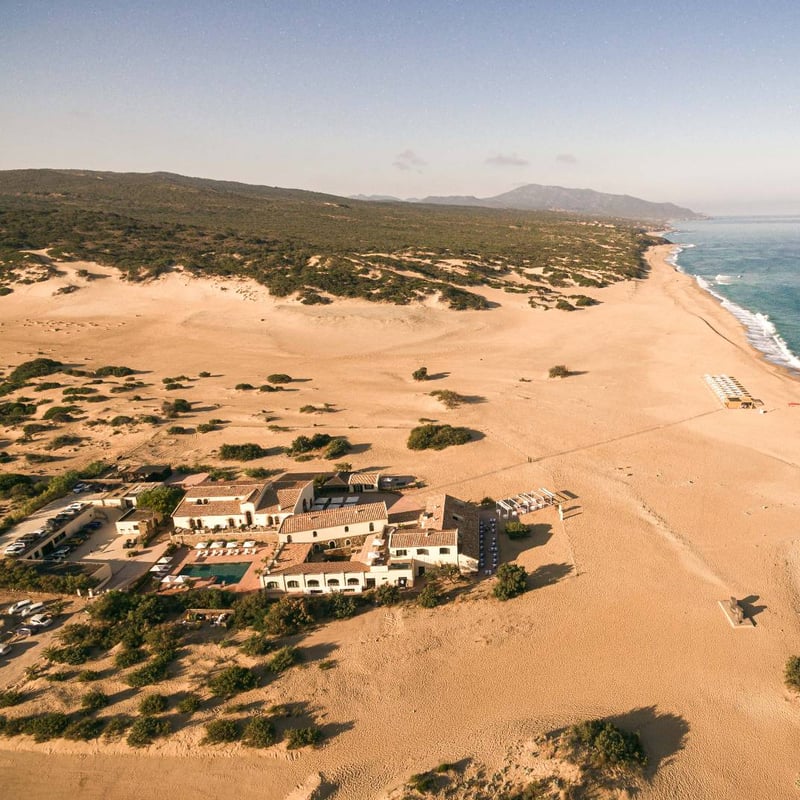
A former mining warehouse on Sardinia's remote Piscinas dunes, this 28-room retreat preserves its industrial heritage through Orosei marble floors and cast-iron beds while facing the Mediterranean. Three restaurants showcase local produce—beachside Maestrale, casual Ginepro, fine dining Rosso Tramonto—and a silent cinema with headphones maintains the profound quiet. Ideal for travelers seeking genuine isolation with refined comforts.
Sulcis-Iglesiente Travel Guide: Best Hotels, Restaurants & Experiences 
Explore Sulcis Iglesiente
Hotels (2)
Restaurants (3)
Where to Stay

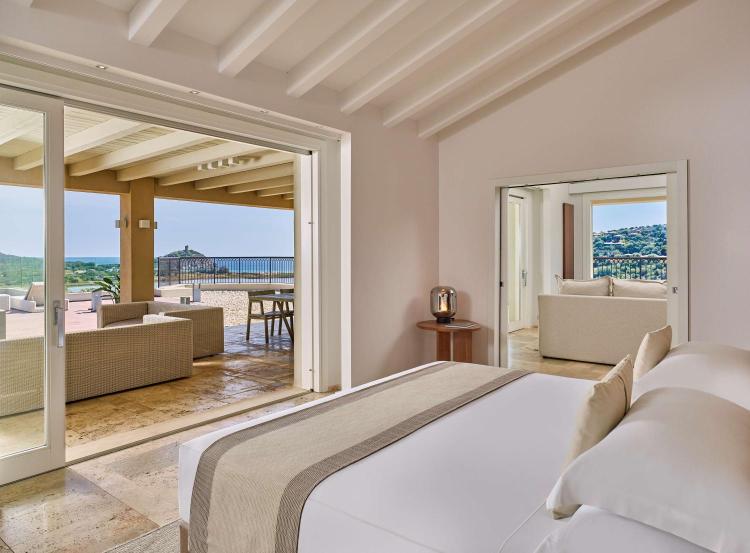
Conrad's southern Sardinian outpost pairs sleek metropolitan design with the raw beauty of Chia's lagoon and coastline, every room framing water views that shift from turquoise to gold. A destination spa anchors the wellness offering, while families gravitate toward the Oasis suites and summer sports academies staffed by specialist coaches. Full access to the Baia di Chia resort rounds out an address suited equally to couples and multi-generational groups.

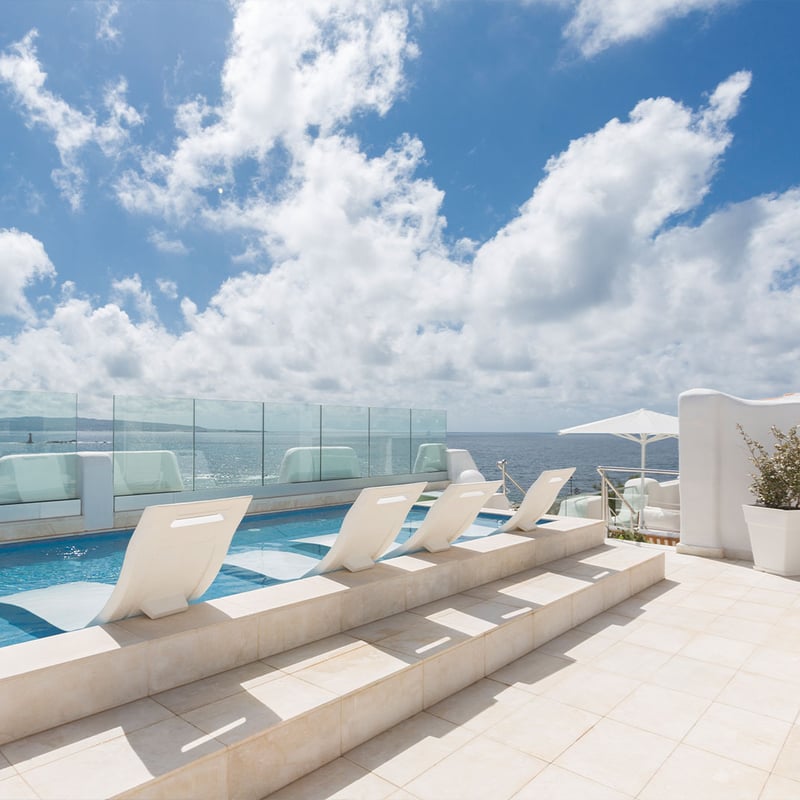
A private beach leads directly to the Mediterranean at this adults-only retreat in La Caletta cove, where seven rooms dressed entirely in white open onto balconies above the water. The rooftop solarium and bar remain exclusive to guests, offering undisturbed views toward the lighthouse-topped cliff that gives the property its name. Boat excursions, deep-sea fishing, and horseback rides extend the coastal immersion.
Where to Eat

Michelin Selected
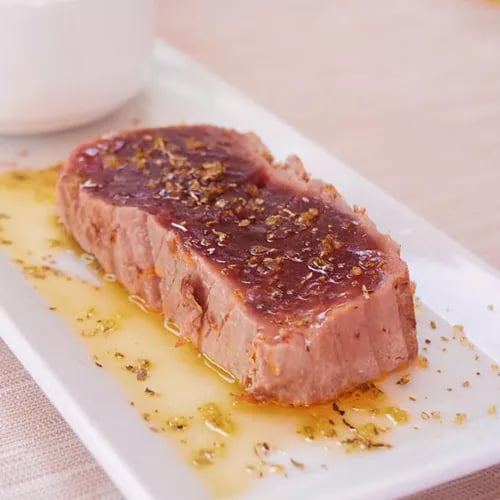
The ancient mattanza tradition finds its table at this intimate Carloforte address, where tuna pulled from local nets dictates a menu of uncommon authenticity. An open kitchen allows diners to witness the preparation firsthand, while two compact dining rooms and a pair of terraces create varied settings for seafood meals rooted in Sardinian island heritage.

Michelin Selected
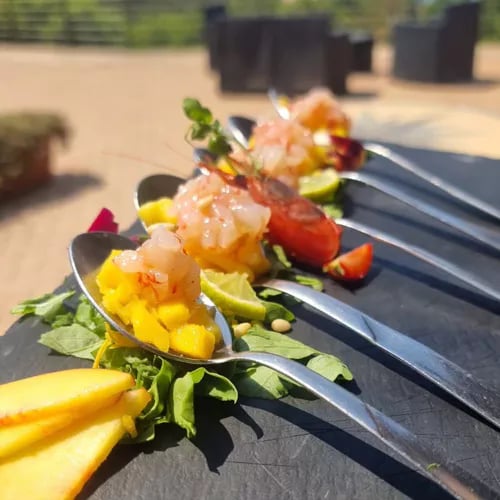
Sunset views over the Sardinian coast set the stage at Corsaro Nero, where an expansive dining room frames the evening spectacle. The kitchen maintains a strict focus on fish and seafood, presenting a generous selection of fresh catches that earned a Michelin Plate distinction. This is coastal dining at its most elemental—simple preparations, prime ingredients, dramatic natural backdrop.

Michelin Selected
Along Carloforte's promenade, Da Nicolo draws a loyal following for its focused approach to Sardinian seafood and the distinctive cuisine of this Ligurian-rooted island community. The kitchen emphasizes Carlofortinian specialties—tuna preparations, local catches, recipes shaped by centuries of fishing tradition. Summer months bring tables outdoors, where diners watch the harbor traffic while working through platters of the day's catch.

Michelin Selected
Overlooking the Sardinian coastline from its position beside Portoscuso's town hall, Sa Musciara brings a sailor's sensibility to its seafood-focused kitchen. The owner-chef, himself an avid yachtsman, applies meticulous technique to the day's catch, resulting in preparations that earned Michelin recognition. The modern dining room frames Mediterranean views, creating an atmosphere where fresh fish and salt air feel inseparable.
Frequently Asked Questions
What is the best time of year to visit the Sulcis-Iglesiente coast?
+
Late May through June and September offer ideal conditions — warm enough for swimming, uncrowded beaches, and pleasant temperatures for exploring the mining heritage sites. The mattanza tuna festival in Carloforte typically falls in late May or early June.
How do I reach Sant'Antioco and San Pietro islands?
+
Sant'Antioco connects to the mainland via a causeway and requires no ferry. San Pietro is reached by regular ferry services from either Portovesme on the mainland or Calasetta on Sant'Antioco, with crossings taking approximately thirty to forty minutes.
What are the distinctive local dishes of this region?
+
Carloforte is renowned for its tuna preparations — heart, roe, and belly cuts prepared according to Ligurian-Tabarchino traditions. Throughout the region, expect fregula con arselle (toasted semolina pasta with clams), malloreddus, and locally produced bottarga. The Carignano del Sulcis DOC wines complement the seafood exceptionally well.
Nearby Destinations
Explore Italy



Sulcis Iglesiente
Sardinia's southwestern corner remains one of the Mediterranean's least discovered coastal territories. The Sulcis-Iglesiente region stretches from the abandoned mining towns of the interior — where nineteenth-century industrial archaeology sits silent against granite hillsides — to empty beaches that face the islands of Sant'Antioco and San Pietro. Carloforte, the Ligurian-speaking fishing town on San Pietro, maintains its own dialect and culinary traditions, including the spring mattanza tuna harvest.
Accommodation here tends toward restored masserie and converted mine buildings rather than conventional resort properties. The medieval centro storico of Iglesias hosts its Spanish-influenced Holy Week processions each Easter, while the Costa del Sud between Chia and Teulada offers some of the island's most dramatic cliff-backed coves. Restaurants serve fregula with arselle clams, bottarga from Carloforte, and Carignano del Sulcis wines from the sandy vineyards around Sant'Antioco. The regional identity feels distinctly separate from the Costa Smeralda — raw, historic, and refreshingly uncommercialized.