


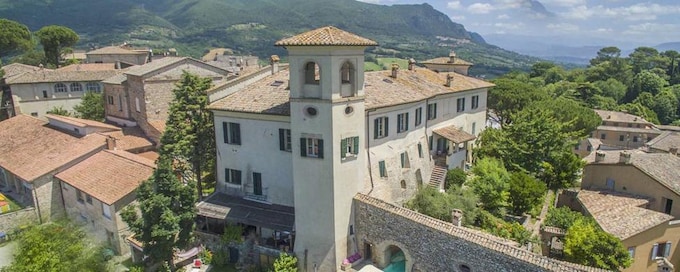
Crowning a quiet Umbrian hilltop, this historic palazzo surveys the rolling countryside of Terni province from its romantic viewing tower. Seven spacious bedrooms and a cooling plunge pool occupy the sprawling grounds, offering ample room for multi-generational gatherings or intimate celebrations. The setting proves particularly well-suited to families seeking space and privacy, as well as couples planning weddings against a cinematic Italian backdrop.
Spoleto Travel Guide: Best Hotels, Restaurants & Experiences 
Explore Spoleto
Restaurants (1)
Where to Stay

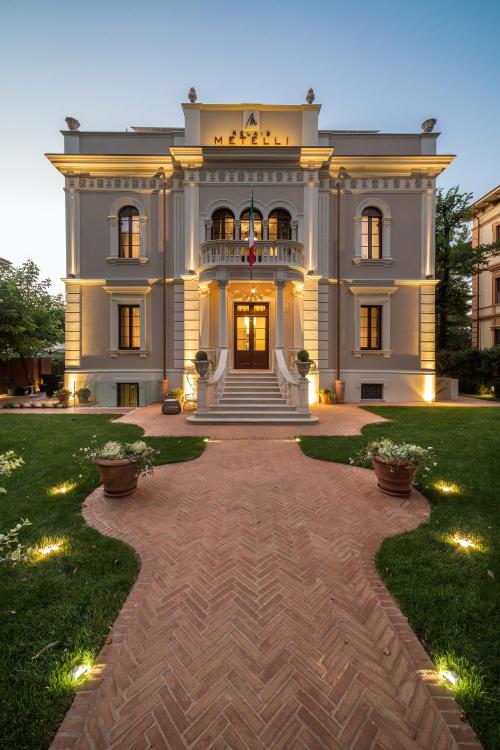
A Liberty-style villa on Foligno's outskirts, Relais Metelli serves as a strategic base for exploring Assisi, Montefalco, and Umbria's quieter wine routes. The boutique property draws a mix of business travelers and couples, though families find welcome here too. Interiors carry distinctive period character, and the location suits those preferring a residential calm over city bustle while keeping Spoleto within easy reach.

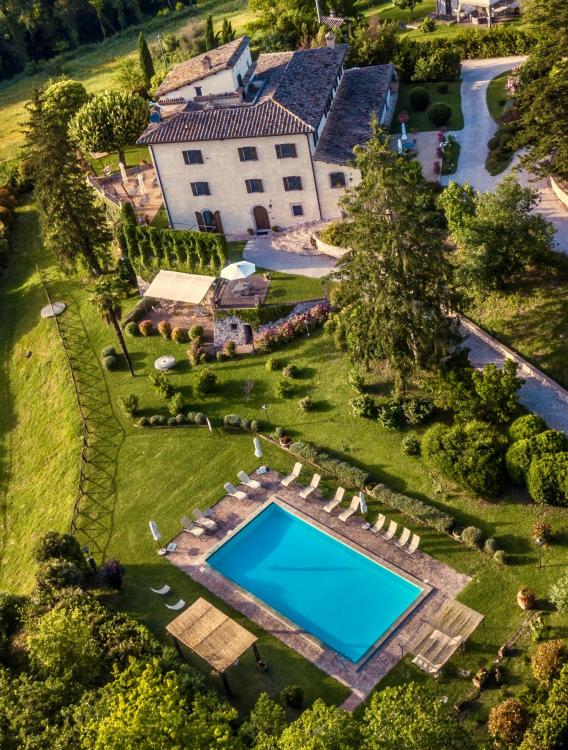
A 15th-century dove tower converted into an intimate family-run bed and breakfast, Torre Palombara offers a refined countryside retreat near Spoleto. The careful restoration preserves historic character while the swimming pool commands sweeping views toward medieval Narni. Though children are welcome with cots and extra beds available, the atmosphere skews decidedly adult—ideal for couples seeking Umbrian tranquility without resort formality.
Where to Eat

Michelin Selected
Ancient convent walls of Sant'Apollinare shelter this romantic dining room where exposed beams and weathered stone set an intimate medieval atmosphere. The kitchen works closely with seasonal Umbrian ingredients, reinterpreting regional tradition through a contemporary lens across seafood, meat, and vegetarian preparations. Summer months open a terrace for dining within Spoleto's historic quarter—understated elegance throughout.

Michelin Selected
Black truffles appear in generous shavings across the seasonal menu at this family-run address within the Clitunno hotel, where classic Italian preparations of meat and fish follow the rhythms of Umbria's larder. The intimate dining room, recently refreshed, opens onto a terrace facing a quiet piazza—ideal for unhurried summer evenings. Weekend visitors may find live music adding atmosphere to the meal.
Frequently Asked Questions
When does the Festival dei Due Mondi take place in Spoleto?
+
The Festival dei Due Mondi runs annually from late June through mid-July, featuring opera, classical music, theatre, and dance performances across venues throughout the historic centre, including the Roman theatre and the Piazza del Duomo.
How do I reach Spoleto from Rome?
+
Direct trains from Roma Termini reach Spoleto in approximately ninety minutes. The station sits below the old town, connected by bus, taxi, or a steep fifteen-minute walk through the lower quarters and up escalators cut into the hillside.
What are Spoleto's signature local dishes?
+
Strangozzi pasta with black truffle shavings or simple tomato sauce defines local tables. Wild boar preparations appear frequently, alongside Umbrian lentils from nearby Castelluccio. The region's olive oil is prized throughout Italy, and local norcinerie offer cured meats and aged pecorino.
Nearby Destinations
Explore Italy

Spoleto
Spoleto rises from the Umbrian plain in terraces of pink and grey stone, its medieval streets climbing toward the Rocca Albornoziana fortress that has watched over the valley since the fourteenth century. The town's Roman origins surface unexpectedly — an intact theatre near Piazza della Libertà, fragments of city walls incorporated into later buildings, the Arco di Druso marking what was once the forum. Each June and July, the Festival dei Due Mondi transforms this otherwise quiet hill town into an international stage for opera, theatre, and contemporary dance, drawing performers and audiences who fill the restaurants along Via del Duomo well past midnight.
The centro storico rewards slow exploration. From the Piazza del Mercato, narrow vicoli wind past artisan workshops and family-run alimentari before opening onto unexpected piazzas. The Ponte delle Torri — a medieval aqueduct spanning the gorge between town and Monteluco — offers one of Umbria's most dramatic walks, with views across chestnut forests to the distant Apennines. Local cooking favours the region's black truffles, wild boar, and the strangozzi pasta served simply with tomato and local olive oil. Accommodation ranges from converted palazzi with frescoed ceilings to smaller family-run properties where breakfast means homemade crostata and eggs from nearby farms.