


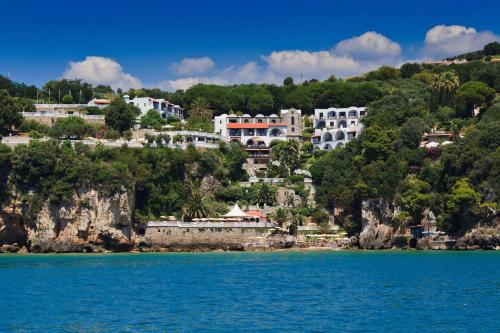
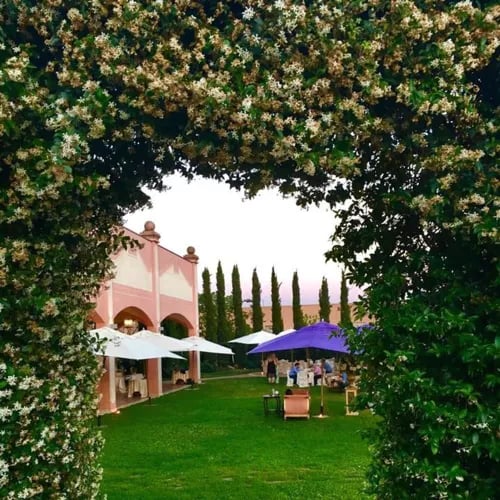
A striking white edifice curves around a secluded creek on the Via Flacca, its flower-laden terraces cascading toward transparent Mediterranean waters. All 59 rooms command unobstructed sea views, while the seasonal outdoor pool and jacuzzi provide alternatives to the private beach below. Lush gardens envelop the property, creating a coastal retreat suited to travelers seeking both waterfront access and tranquil seclusion.
Southern Lazio Coast Travel Guide: Best Hotels, Restaurants & Experiences 
Explore Southern Lazio Coast
Hotels (1)
Restaurants (7)
Where to Stay
Where to Eat

★ Michelin
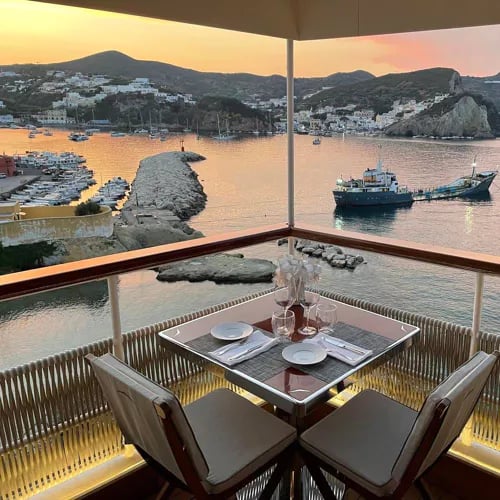
Terraced dining platforms cascade down toward Ponza's crescent-shaped harbor, offering what many consider Italy's most dramatic restaurant panorama—views stretching past Gavi to distant Zannone. Luigi Pesce and Patrizia Ronca have maintained a Michelin star here for two decades, their kitchen devoted almost entirely to seafood prepared with deliberate simplicity. Raw preparations open the menu, a confident declaration of ingredient quality, while an extensive wine list rewards exploration.

★ Michelin
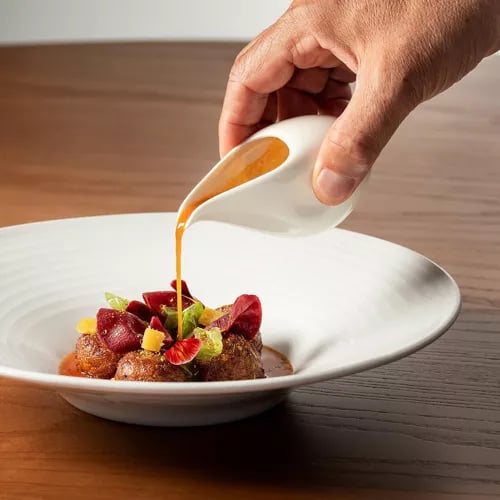
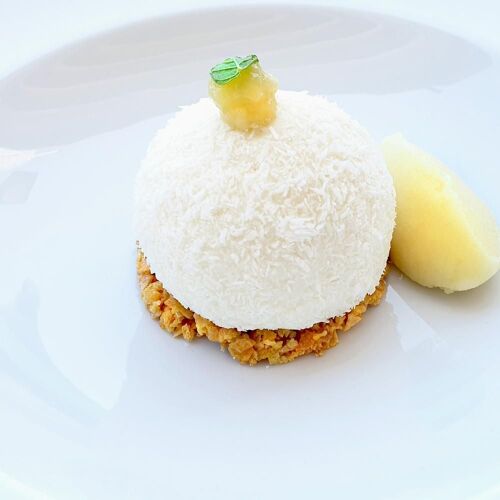
Chef Fabio's one-starred kitchen in this unassuming Pontine town draws on the agricultural riches of Agro Pontino, most memorably in a lamb preparation that weaves Indian spices through local produce—a culinary nod to the region's immigrant communities. Sara orchestrates the dining room with sommelier precision, guiding guests through her thoughtfully assembled wine list. The closing course surprises: savory desserts built on olives, basil, and artichokes.

Michelin Selected
A youthful energy animates Dolia Gaeta, where a talented young chef channels the gulf's daily catch into modern, inventive plates. The sleek dining room maintains an easy elegance—chic without pretension. Beyond the seafood-driven menu, an impressive wine program deserves attention: Lazio labels feature prominently alongside a deep champagne selection that rewards exploration.

Michelin Selected
Perched above Ponza's port, this seafood-focused table takes its name from the island's ancient Greek designation. The terrace surveys a postcard panorama of candy-colored houses tumbling toward rocky cliffs. Fish dominates the menu almost entirely, prepared through both inventive techniques and time-honored island recipes—a duality that rewards curious palates without alienating traditionalists seeking the pure taste of the Tyrrhenian catch.

Michelin Selected
Chef Max Cotilli channels years spent in London kitchens into an unexpectedly cosmopolitan dining room amid the farmland of Agro Pontino. His tasting menus—offered in two lengths, with à la carte flexibility—reimagine regional ingredients through a contemporary lens while honoring forgotten local recipes. The rural setting only heightens the surprise of such polished, worldly cooking, making Satricvm a compelling detour for curious gastronomes.

Bib Gourmand
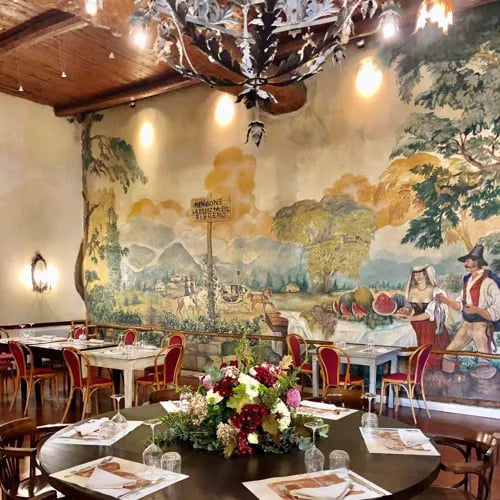
A century of tradition anchors this Lazio institution, where the barbecue grill remains the undisputed star — smoking meats and fish to robust, flame-kissed perfection. The kitchen honours regional classics while incorporating freshwater and seafood preparations, served beneath frescoed ceilings in a dining room of old-world elegance. The cellar rewards exploration, with rare bottles and vertical selections for serious enthusiasts.

Michelin Selected
Chef Kerim Jlali, honed in Lazio's Michelin-starred kitchens, runs this seafood-focused laboratory in Cassino alongside partner Chiara. The 'lab' concept delivers on its promise: fish and shellfish undergo precise, technique-driven treatments that emerge as vivid, architecturally plated compositions. The informal, colour-saturated dining room suits adventurous eaters drawn to contemporary Italian cooking with genuine creative ambition.

Michelin Selected
A grand entrance sets the tone at Il Focarile, where Tuscan influences shape a kitchen balancing tradition with creative ambition. The spacious, light-filled dining room allows tables breathing room—a rarity that speaks to the establishment's commitment to unhurried meals. Beyond the restaurant, elegant guest rooms offer the option to extend the evening into an overnight stay along the Pontine coast.

Michelin Selected
A family legacy spanning half a century shapes the seafood-focused menu at this Borgo Grappa address, minutes from the shore. The second-generation owner-chef works the dining room personally, guiding guests through an extensive Italian and international wine list with genuine expertise. Summer evenings unfold beneath a shaded arbour, the kitchen delivering precise preparations of fish in an atmosphere of unhurried coastal hospitality.
Frequently Asked Questions
What makes the Southern Lazio Coast different from the Amalfi Coast?
+
The Southern Lazio coastline offers a less developed, more authentically Italian experience. Towns like Sperlonga and Gaeta retain their fishing village character, prices remain reasonable compared to Campania's famous stretches, and the beaches — particularly around San Felice Circeo and the Pontine Islands — see far fewer international visitors. The Roman archaeological heritage here, from Tiberius's grotto to Formia's ancient port, predates the Grand Tour popularity of destinations further south.
How accessible are the Pontine Islands from the mainland?
+
Ferries and hydrofoils depart regularly from Formia, Terracina, and Anzio to Ponza and Ventotene. The crossing takes between one and two hours depending on the vessel and departure point. Ponza has the larger selection of accommodations and restaurants, while Ventotene appeals to those seeking genuine isolation. Summer weekends see heavy Italian domestic traffic; midweek crossings in June or September offer calmer seas and emptier boats.
What local specialties should visitors try along this coast?
+
Gaeta's black olives carry protected status and appear in local pasta dishes and as accompaniments to seafood. Tiella, a double-crusted pie filled with octopus, anchovies, or escarole, originated in Gaeta's fishing community. The coastal trattorias excel at crudo preparations — raw fish and shellfish dressed simply with local olive oil. Ventotene's lentils, grown in volcanic soil, have fed the island since antiquity and remain a point of local pride.
Nearby Destinations
Explore Italy



Southern Lazio Coast
The coastline stretching from Gaeta to the Pontine Islands remains remarkably untouched by mass tourism. Gaeta's medieval quarter climbs steeply above its harbor, where fishing boats still unload the morning catch beside yachts. Sperlonga clings to its rocky promontory much as it did when Tiberius built his grotto villa below — the village's whitewashed houses and narrow passages feel more Greek island than Italian mainland.
Dining here follows the rhythms of the Tyrrhenian Sea. Restaurants in Formia serve raw preparations of local anchovies and sea urchin alongside pasta with clams from the nearby lagoons. The Pontine Islands — Ponza and Ventotene — offer a different register entirely: volcanic landscapes, crystalline waters, and trattorias where the fish was swimming hours before it reaches your plate. This stretch of coast fed Roman emperors; the cooking remains confidently simple.