


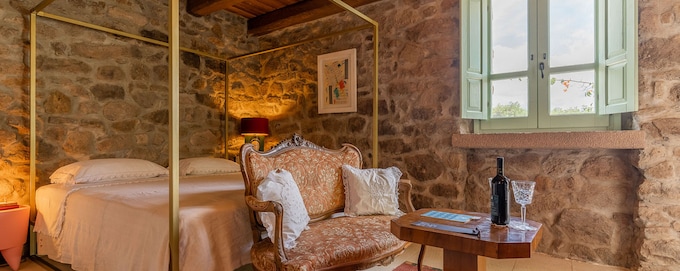
A carefully restored hilltop hamlet in north-west Sardinia, Antico Borgo di Lu Puleo offers nine atmospheric rooms within ancient stone walls. The kitchen draws on seasonal Sardinian traditions, while the remote setting delivers profound stillness—no distractions, no hurry. This is a retreat calibrated for couples and solo travelers seeking genuine disconnection; guests must be fourteen or older.
Sassari & Nurra Travel Guide: Best Hotels, Restaurants & Experiences 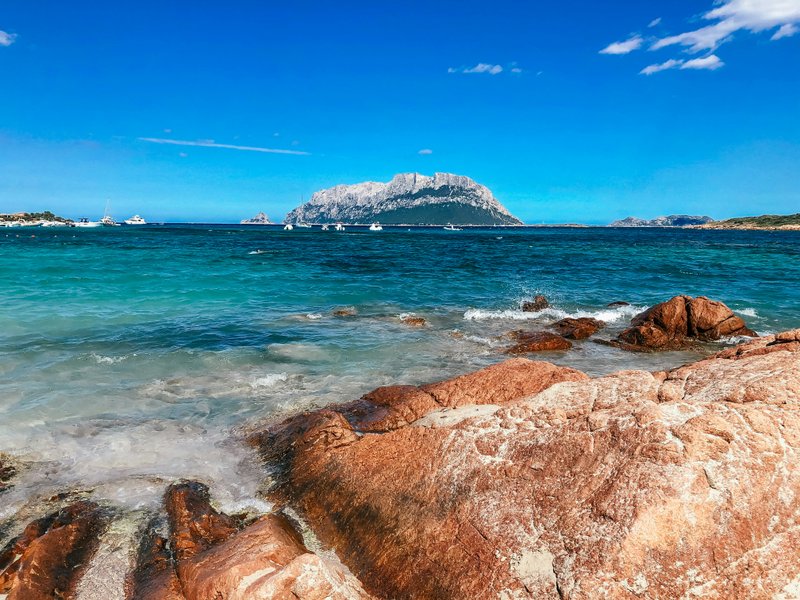
Explore Sassari Nurra
Hotels (2)
Restaurants (1)
Where to Stay

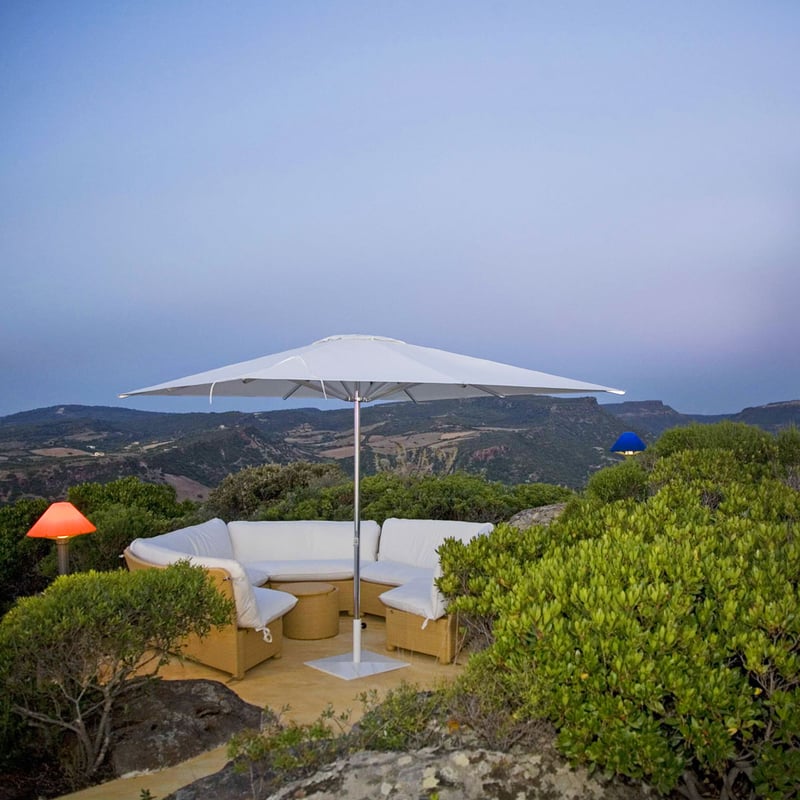
From its hillside perch across the water, this 24-room boutique property frames medieval Castelsardo like a living painting—particularly at dusk when the ancient village glows against the darkening Mediterranean. Stone pathways wind through myrtle and prickly pear gardens to secluded gazebos draped in white linen, while the aquamarine pool terrace becomes the prime sunset aperitivo spot. Pet-friendly and wine-focused, with cellar tours exploring the surrounding Sardinian terroir.
Where to Eat

Michelin Selected
Grass-grazed beef and carefully aged cuts define the carnivore-focused kitchen at this informal address outside Porto Torres, where a spacious garden sets the scene for leisurely Sardinian meals. The legendary porceddu demands advance notice—succulent suckling pig roasted to crackling perfection. A robust house red, structured and intense, proves the ideal companion to these primal pleasures.

Michelin Selected
After relocating from the coast to central Sassari, Mesadoria continues its commitment to Sardinian terroir under new culinary leadership. The kitchen favors fish and seafood—though meat appears on the menu—presenting Mediterranean classics through a contemporary lens. Simple, modern interiors let the island's ingredients speak: local catches, regional produce, and time-honored techniques refreshed with subtle invention.

Michelin Selected
A recent arrival on Sassari's dining scene, Osteria de' Mercati occupies a quiet corner near the historic market district. The kitchen takes a contemporary approach to Italian cooking, building dishes around seasonal ingredients with notable precision—the seafood risotto draws particular acclaim. Clean, modern interiors and an attentive team create a polished setting, while a focused selection of regional Sardinian wines anchors the experience in local terroir.
Frequently Asked Questions
What is the best area to stay for exploring both Sassari and the Nurra coastline?
+
Staying in Sassari's historic centre places you within walking distance of the city's cultural sites, restaurants, and evening atmosphere, while the Nurra beaches remain accessible by car within 30 to 45 minutes. For those prioritising beach access, the area between Alghero and Stintino offers coastal properties with easier reach of La Pelosa and Porto Ferro.
When is the ideal season to visit Sassari and the Nurra region?
+
Late May through June and September offer the best balance — warm enough for swimming at La Pelosa and Porto Ferro, yet avoiding August's crowds and peak heat. The Cavalcata Sarda festival in mid-May transforms Sassari with traditional costumes and equestrian parades, making it an exceptional time for cultural immersion.
How does dining in Sassari differ from coastal tourist areas?
+
Sassari maintains an authentic, university-town dining culture where trattorias serve multi-course Sardinian menus to local families rather than tourists. Expect wood-fired porceddu, handmade fregola, and house-poured Cannonau at prices well below coastal resort standards. Reservations matter at weekend lunches when extended family gatherings fill the better addresses.
Nearby Destinations
Explore Italy



Sassari Nurra
Sassari reveals itself gradually — a university city of baroque churches and Catalan-Gothic palazzi where elderly men debate politics in Piazza d'Italia and students spill out of aperitivo bars along Corso Vittorio Emanuele. The old town's narrow vicoli open suddenly onto hidden squares, each anchored by a fountain or weathered church façade. Beyond the city walls, the Nurra plain stretches northwest toward Stintino and the startling turquoise waters of La Pelosa, while the coast at Porto Ferro and Argentiera offers a wilder, less manicured Sardinia.
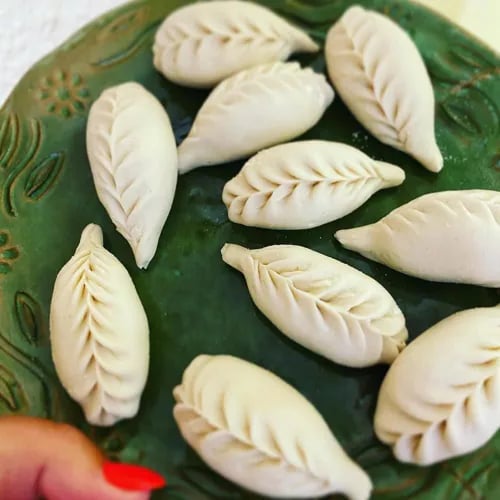
The accommodation landscape here diverges sharply from the Costa Smeralda model. Expect restored townhouses in Sassari's centro storico, agriturismi set among olive groves in the rolling countryside, and understated beach properties near Alghero and Stintino that favour authenticity over ostentation. Dining follows the rhythms of the land: culurgiones, porceddu slow-roasted over juniper wood, and pecorino aged in caves at Thiesi. Winemakers around Sorso and Sennori pour Cannonau and Vermentino in farmhouse cellars. The Nurra's emptiness — those long limestone plateaus, the abandoned mines at Argentiera, the solitary beaches — rewards those willing to wander.