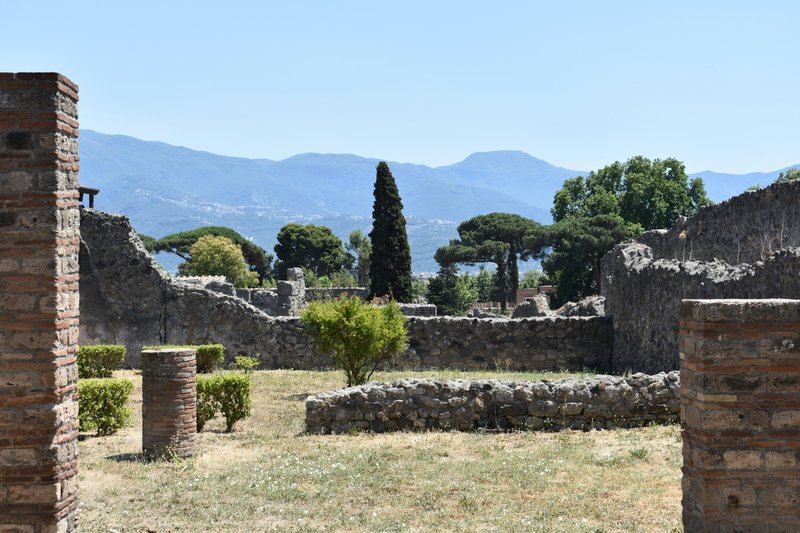
On the volcanic slopes above Pompeii, chef Giuseppe Molaro crafts surprise tasting menus shaped by years spent in Japanese kitchens. His one-starred cooking fuses Campanian ingredients with fermented, acidic accents and umami depths rarely encountered in southern Italy. Expect challenging flavour combinations—pickled, briny, deliberately unexpected—designed for adventurous palates seeking experimental gastronomy within reach of the ancient ruins.
A Michelin-starred table beside ancient ruins, President resurrects Roman culinary heritage through dishes like sigilinium bread—a recipe traced to antiquity—while applying modern technique to Campanian traditions. The flexible tasting menus allow diners to navigate between courses, with fish preparations such as the grouper 'Mediterraneo da scoprire' drawing particular acclaim. Sommeliers pour prestigious vintages by the glass, encouraging exploration without commitment to full bottles.
Floor-to-ceiling windows frame the harbour and distant Capri from this elegant terrace dining room in Torre del Greco. The kitchen channels the surrounding waters into a menu built on pristine local catch—raw preparations like oysters, tartares, and ceviche deserve particular attention. A signature sea bass roll arrives stuffed with spinach and fior di latte, finished with beurre blanc and parsley oil.
A former fishmonger's shop turned informal dining room, Acqua & Sale channels its origins into confidently unfussy seafood cooking. The kitchen works raw preparations alongside Mediterranean dishes bearing personal signatures—grilled octopus paired with black broccoli and wine-fermented plums, porchetta-style tuna with green sauce and sweet-sour peppers. For travelers exploring nearby Pompeii, this Scafati address delivers honest, ingredient-driven fish without pretense.
Steps from Pompeii's famous shrine, chef Paolo Del Giudice runs a sea-focused kitchen with contemporary precision. His crudo selections showcase impeccable sourcing, while the signature scallops—wrapped in lardo, set atop spring pea purée and buffalo stracciatella—demonstrate confident, flavor-forward cooking. The minimalist dining room takes marine cues, and an impressive cocktail program pairs well with the Mediterranean-leaning wine list.
Two young chefs helm Cosmo's kitchen, crafting elaborate seafood dishes that push beyond Campania's traditional repertoire while remaining firmly rooted in regional ingredients. The Michelin Plate distinction recognizes their technical ambition—expect complex preparations and creative interpretations rather than rustic simplicity. For travelers seeking a more refined dining experience near the archaeological sites, this contemporary address delivers thoughtful, ingredient-driven cuisine.
Childhood memories and a grandmother's kitchen inform the Mediterranean cooking at Il Principe, where Campanian classics receive contemporary treatment without losing their soul. The chef balances meat and fish with equal confidence, presenting regional flavours in compositions that feel both rooted and inventive. This is unfussy, deeply satisfying cuisine—the kind visitors find themselves craving long after leaving the shadow of Vesuvius.
An 18th-century villa along Herculaneum's Golden Mile provides the backdrop for this Campanian table, where new kitchen leadership has sharpened the focus on regional traditions served in lighter, contemporary form. The signature Santa Rosa millefeuille layers crispy puff pastry with custard and sour cherries, a clever deconstruction of the classic. A garden-view terrace hosts seasonal pizza service, while the cellar rewards serious collectors.
Steps from Torre del Greco's seafront promenade, chef-owner Nunzio Spagnuolo runs this cheerful trattoria with evident passion. His cooking draws on Campanian tradition but takes creative liberties—the ravioli alla caprese, layered with three tomato preparations, provolone del Monaco, and basil-scented oil, earned particular praise from Michelin inspectors. Both fish and meat receive equal care, making this a reliable stop for visitors exploring the archaeological coast.
Frequently Asked Questions
What is the best area to stay when visiting both Pompeii and Herculaneum?
+
Modern Pompei offers the most convenient base, with accommodations ranging from converted historic villas to contemporary hotels within walking distance of the archaeological site. The Circumvesuviana train connects both sites in under twenty minutes, making day trips to Herculaneum straightforward. For a quieter alternative, Ercolano provides authentic neighborhood atmosphere and slightly lower rates.
When is the ideal time to visit the archaeological sites?
+
Early morning arrivals, particularly between March and May or September and October, allow exploration before midday heat and tour group crowds. The sites open at 9:00, and the first two hours offer the most comfortable conditions. Winter visits bring fewer visitors but shorter opening hours, while August sees peak temperatures often exceeding 35°C among the exposed ruins.
How do Pompeii and Herculaneum differ as visitor experiences?
+
Pompeii sprawls across 44 hectares with major civic buildings, streets, and public spaces — plan three to four hours minimum. Herculaneum, though smaller, preserves superior organic materials including wooden beams, furniture, and upper floors, offering more intimate domestic detail. Many visitors find combining both sites across two days provides the fullest understanding of Roman daily life.
Nearby Destinations
Explore ItalyThe shadow of Vesuvius falls across two of antiquity's most haunting sites, preserved in volcanic ash since 79 AD. Modern Pompei — note the single 'i' distinguishing the living town from its ancient predecessor — spreads around the Santuario della Beata Vergine del Rosario, a pilgrimage church drawing millions annually. Hotels cluster along Via Roma and near the Porta Marina entrance, many occupying converted 19th-century villas with views toward the excavations. Ercolano, gateway to Herculaneum's remarkably intact ruins, maintains a grittier Neapolitan character with family-run pensioni and renovated palazzo apartments.
The dining scene here serves visitors and pilgrims alike, with trattorias offering Campanian standards: fresh pasta with local tomatoes from the volcanic slopes, seafood brought up from Torre Annunziata's fishing boats, and wines from Lacryma Christi vineyards that climb Vesuvius itself. Evening aperitivo culture centers on the piazzas of modern Pompei, where locals gather at outdoor tables as the Mediterranean light fades behind the mountain that shaped this region's history.