


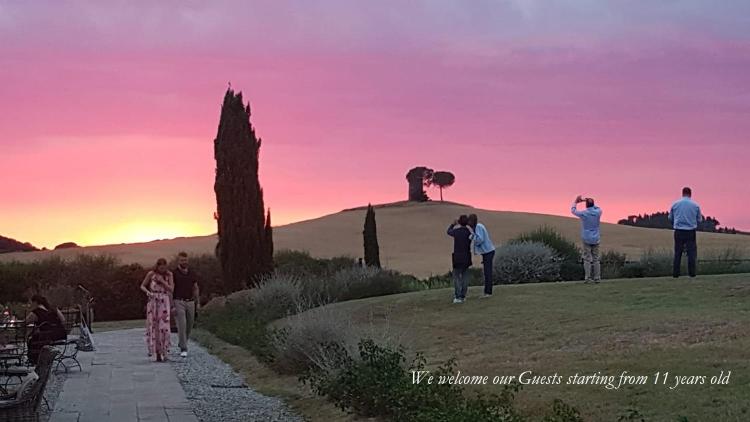
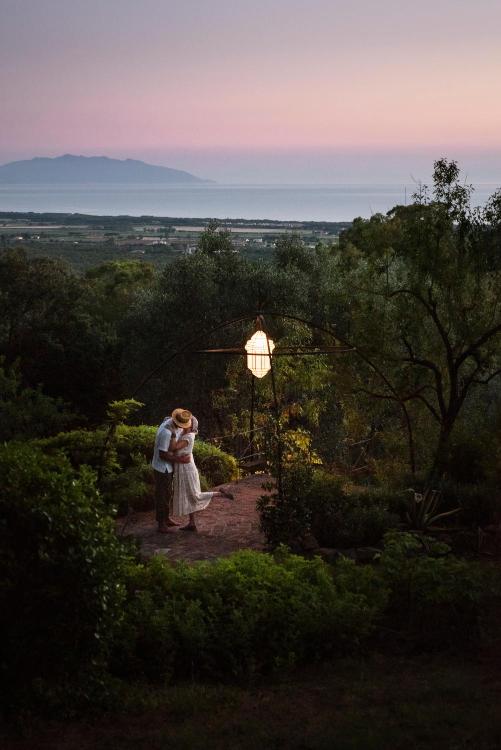
Removed from the Tuscan coastline, Relais Sant'Elena cultivates an intimate guest house sensibility across its romantically landscaped grounds. Pergolas heavy with roses frame a serene pool, while interiors balance refined design with genuine warmth. The property welcomes only guests twelve and older, preserving a tranquil atmosphere suited to couples seeking unhurried days between vineyard excursions and coastal discoveries.
Pisa Travel Guide: Best Hotels, Restaurants & Experiences 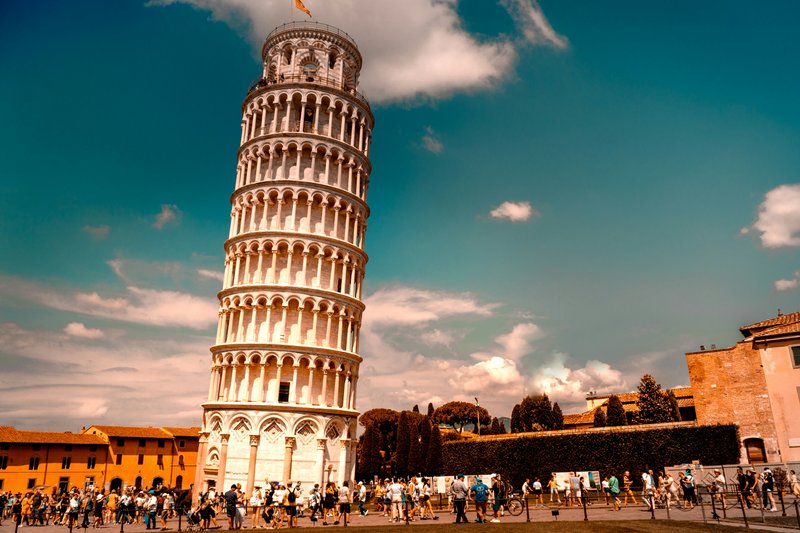
Explore Pisa
Hotels (1)
Restaurants (7)
Where to Stay

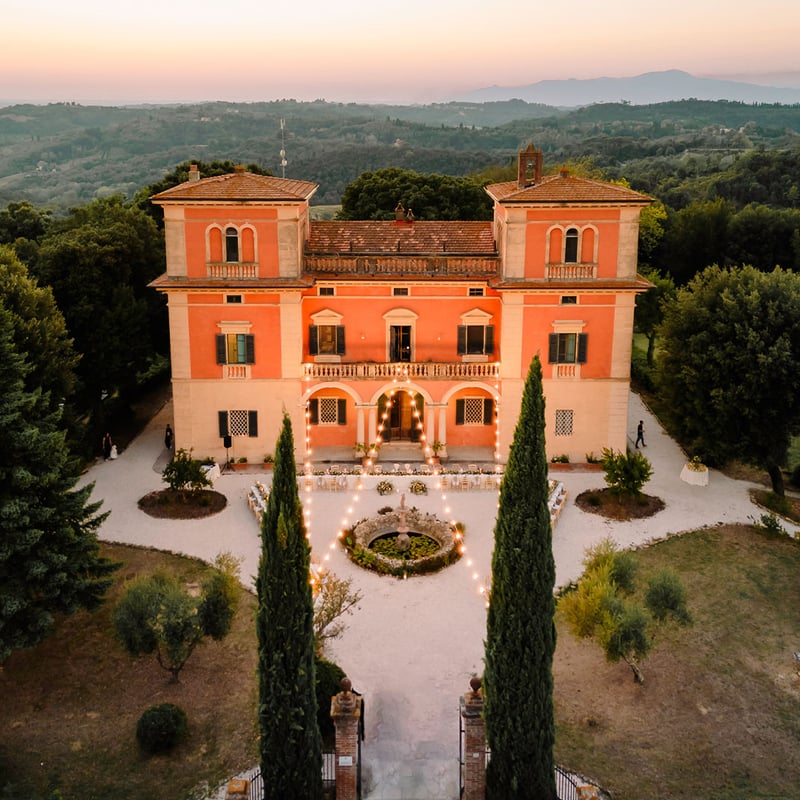
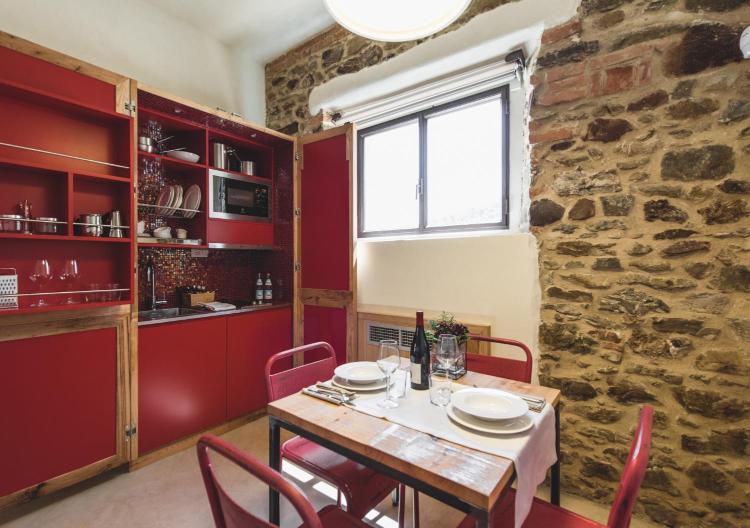
Artists rotate through monthly residencies at this 19th-century Tuscan villa, leading workshops and leaving behind works that transform corridors into evolving galleries. The full agriturismo operation sends dogs foraging for white truffles destined for the farm-to-table restaurant, while guests settle into apartments scattered across outlying buildings in village-like seclusion. Families find a playroom, children's pool, and welcome mat for pets.

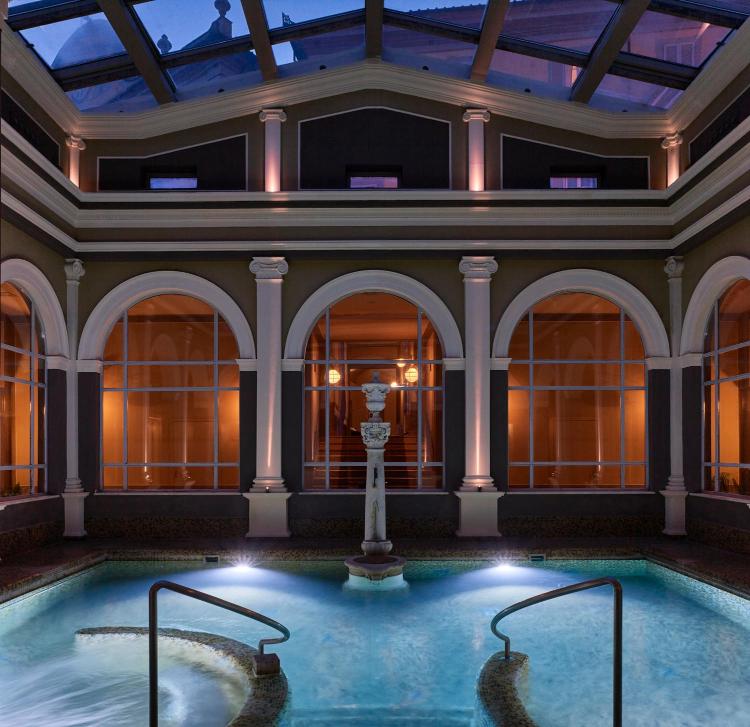
Thermal waters have drawn visitors to this hillside estate since the 18th century, and Bagni di Pisa maintains that restorative tradition with naturally warm pools and comprehensive spa facilities. The property occupies an olive grove between Pisa and Lucca, making it a strategic base for Tuscan exploration. Cuisine here balances indulgence with wellness, while interconnecting rooms and sofa beds accommodate families seeking refined relaxation.

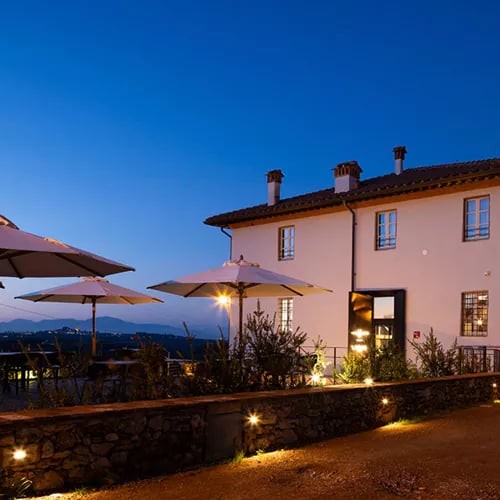
This family-owned farmhouse along the Tuscan coast draws gastronomes with one of the region's finest restaurants, while its intimate scale—just a handful of rooms—ensures personalized attention throughout. Terraced gardens descend toward the Mediterranean, creating pockets of shade and silence for adults seeking genuine retreat. The property welcomes pets, with a dedicated dog beach nearby in San Vincenzo.

Ancient watchtower ruins anchor this intimate Tuscan retreat on the Baratti coast, where a working organic farm feeds the kitchen with seasonal produce. Footpaths wind through Mediterranean scrubland to aquamarine waters below, reaching both rocky coves and sandy stretches within easy walking distance. The property's modest scale suits families seeking exclusive use, though individual bookings benefit equally from the pristine shoreline access.
Where to Eat

★ Michelin
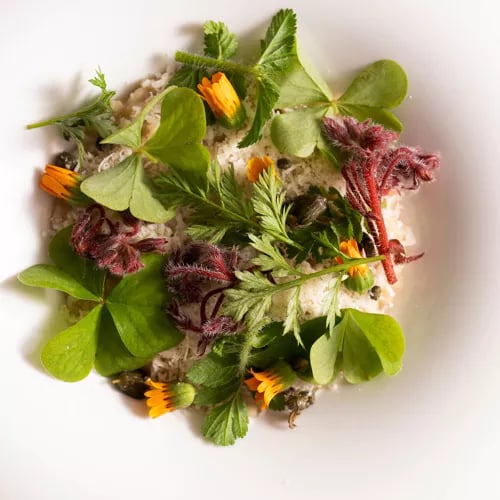
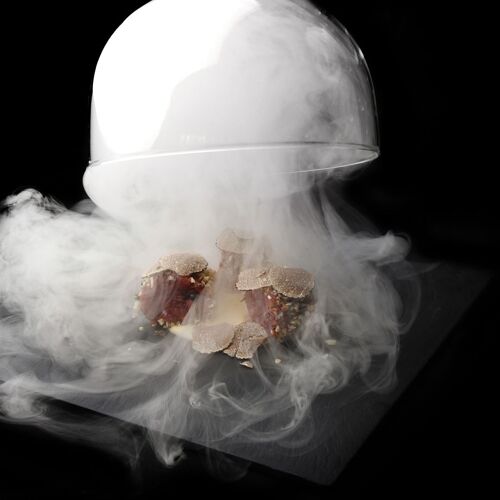
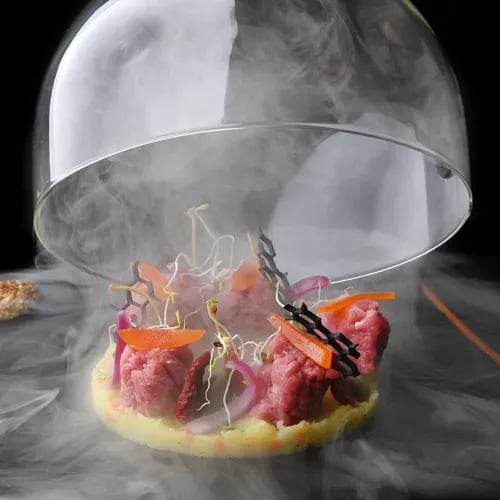
Antonino Cannavacciuolo's one-starred table occupies a restored village in the verdant hills near Pisa, where resident chef Marco Suriano orchestrates a contemporary Tuscan menu with almost surgical precision. Diners seated before the open kitchen witness each plate's meticulous finishing—compositions that balance elegance and bold flavor with remarkable control. A polished service team, trained across Italy and abroad, maintains the occasion's quiet sophistication throughout.

Michelin Selected
A converted hay barn on the 1,500-hectare Il Terriccio estate, Terraforte practices zero-mile dining in its purest form—beef, game, poultry, vegetables, and herbs all raised or grown on the property, paired with Lupicaia wines from surrounding vineyards. The kitchen presents three or seven-course menus of imaginative, precisely balanced compositions. When weather permits, the outdoor terrace offers views across olive groves and pastoral Tuscan hills.

Michelin Selected
Every table at Foresta commands a view of the Tyrrhenian Sea, whether from the glass-enclosed winter room or the sun-drenched summer terrace. The kitchen maintains a classical register, letting impeccable fish speak for itself through straightforward preparations. Desserts break from tradition with inventive compositions that surprise. A Michelin Plate holder suited to long seaside lunches.

Michelin Selected
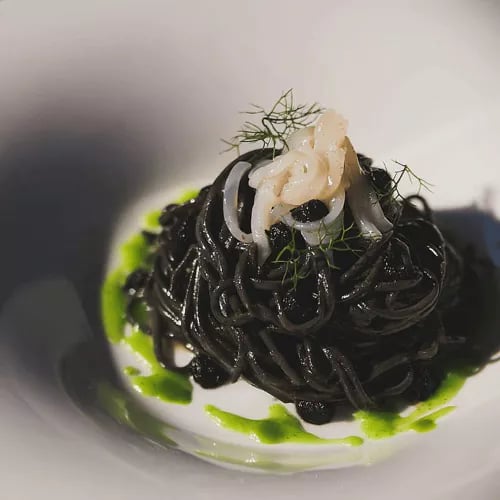
A boutique hotel restaurant just outside the village, Locanda Sant'Agata pairs Michelin-recognized contemporary cooking with a tranquil garden terrace for warm-weather dining. The kitchen reworks Tuscan traditions through a personal lens—meat and fish preparations arrive with inventive flourishes, none more distinctive than the signature calamarotto: squid filled with seafood pancotto, dry vermouth vegetables, and confit tomatoes.

Bib Gourmand
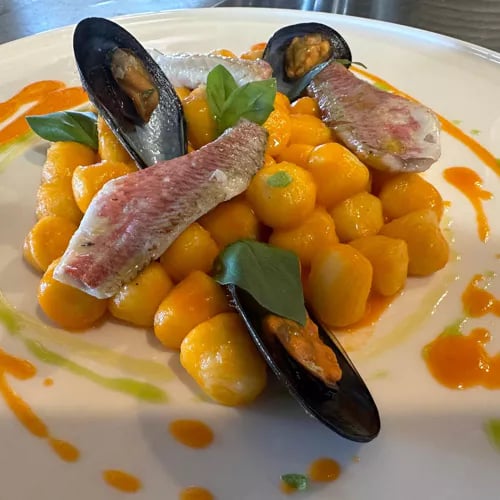
A short drive from Pisa, this Bib Gourmand address occupies a single convivial room along Livorno's canalside quarter. The kitchen draws on local maritime tradition, most notably in its cacciucchino cappelletti—delicate pasta parcels channeling the port city's legendary fish soup. Meat receives equal attention, with the beef francesina earning particular praise. Informal yet accomplished, ideal for unhurried Tuscan dining.

Michelin Selected
Behind the façade of a former pharmacy in the hilltop village of Palaia, chef-owner Juri crafts Tuscan cuisine with restrained creativity. Local ingredients anchor dishes that honor regional tradition while avoiding heaviness—baked marrow and Chianti beef stew among the signatures. The intimate scale and village setting suit travelers seeking an unhurried meal away from Pisa's tourist circuits.

Michelin Selected
Facing the ancient church of San Frediano, Erbaluigia brings a minimalist setting to its robust regional cooking. The kitchen moves confidently between tradition and contemporary technique, with a dedicated barbecue section where prime cuts take center stage. Offal preparations reward the adventurous, while cheese selections and vegetable dishes round out a menu built for carnivores willing to explore.

Michelin Selected
A husband-and-wife operation in the Pisan countryside, Lo Scopiccio pairs regional Tuscan cooking with flashes of invention under the owner-chef's direct supervision. Guests choose between two blind tasting menus or the carte, served in intimate dining rooms or a luminous winter garden that softens even midday sun into romantic half-light. The Michelin Plate confirms consistent, carefully prepared cuisine.

Michelin Selected
The Nannini brothers have carved out a reputation for serious seafood cookery in Livorno's Antignano quarter, where their restaurant occupies one of the neighborhood's most striking period buildings. The kitchen works almost exclusively with fish, applying maturation techniques that concentrate flavor while preserving the integrity of each ingredient. Dishes arrive with evident technical skill yet without unnecessary elaboration—a focused, ingredient-led approach that rewards the attentive palate.

Michelin Selected
Ardenza's handsome 19th-century streetscape provides the backdrop for Oscar, a seafood address that trades elaboration for honest execution. The kitchen delivers classic fish preparations with an emphasis on ingredient integrity rather than technique-driven flourishes. Michelin recognizes the straightforward appeal—this is neighborhood dining elevated by consistency, the kind of table regulars return to without occasion or pretense.
Frequently Asked Questions
Which neighborhoods in Pisa offer the most interesting dining options?
+
Piazza delle Vettovaglie and the surrounding streets form the traditional heart of Pisan gastronomy, with trattorias and wine bars occupying medieval arcades. Borgo Stretto offers more refined dining in elegant settings, while the lungarni provide riverside terraces with views across to the southern quarters. The university area around Via Oberdan tends toward informal but often excellent student-friendly spots.
What distinguishes Pisan cuisine from other Tuscan regional cooking?
+
Pisa's position at the Arno's mouth historically gave it access to both maritime and inland ingredients. The cuisine features more seafood than Florence or Siena — particularly baccalà and fresh catches from the nearby coast — alongside river fish and the celebrated white beans from the foothills of Monte Pisano. Cecina, a chickpea flatbread, remains a street food staple found nowhere else with quite the same devotion.
Are there accommodation options away from the tourist areas near the tower?
+
The centro storico south of the Arno offers considerably more tranquility, with several small hotels occupying restored palazzos in residential neighborhoods. Borgo Stretto and the streets around the university provide proximity to evening life while maintaining distance from the day-trip crowds. Properties along the lungarni combine central locations with the relative peace of the riverside promenades.
Nearby Destinations
Explore Italy


Pisa
The Arno cuts through Pisa with quiet authority, its lungarni lined with ochre and terracotta facades that predate the city's famous campanile by centuries. Beyond the tourist crush around Piazza dei Miracoli, the centro storico reveals itself gradually — the student bars spilling onto Piazza delle Vettovaglie, the morning market at Piazza Sant'Omobono where nonnas inspect produce with practiced skepticism, the silent courtyards of Borgo Stretto where medieval tower houses have become addresses of considerable discretion.
The city's university, among Europe's oldest, lends an intellectual energy that shapes everything from the bookshop-cafés around Via Oberdan to the spirited wine bars where professors debate over Chianti. Dining runs from traditional cecina vendors to refined restaurants where Pisan cooking — trippa, baccalà, the white beans of San Michele — receives thoughtful contemporary treatment. The hospitality landscape favors intimate properties: converted monasteries, family-run pensioni elevated to boutique status, and a handful of addresses where the service recalls an older, more personal tradition of Tuscan hosting.