


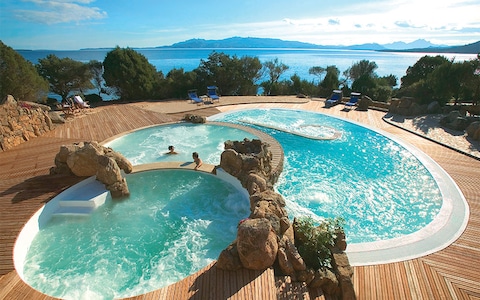
Suspended above the crystalline waters of Sardinia's northern coast, Capo d'Orso commands views across to La Maddalena that earned a perfect location score. A juniper-lined path descends to Cala Capra cove and its water-level solarium, while the thalassotherapy spa draws on seawater pools. The private marina offers boat access to the archipelago; mornings begin with harp music drifting across the breakfast terrace.
La Maddalena Archipelago Travel Guide: Best Hotels, Restaurants & Experiences 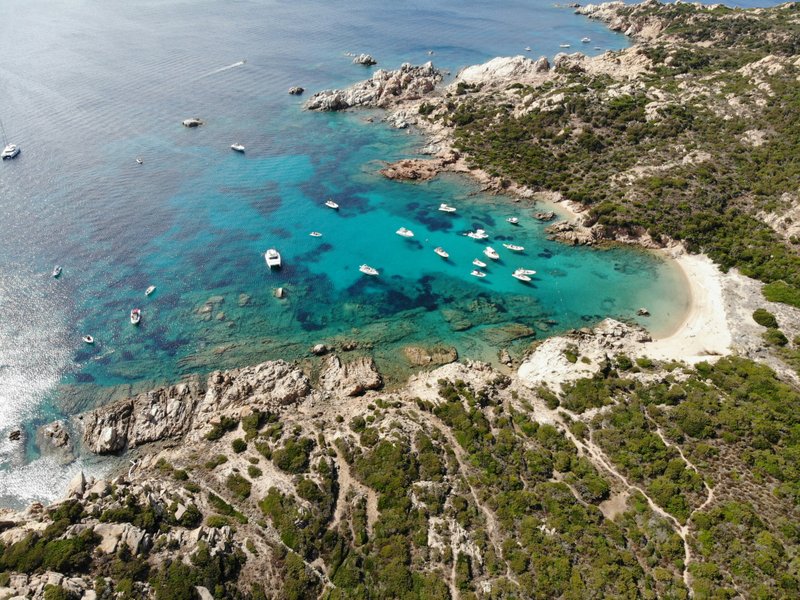
Explore La Maddalena
Hotels (2)
Restaurants (2)
Where to Stay

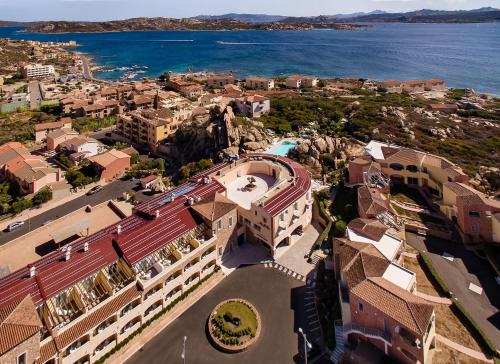
On Isola Maddalena, off Sardinia's northern shore, this adults-only resort spreads across landscaped gardens with 107 rooms distributed over four floors, each designed around a distinct aesthetic—minimal, casual, romantic, or fashion-forward. The spa complex includes a Turkish bath, sauna, and heated indoor pool, while dining spans the refined L'Antica Isola and the breezy, wood-fired MaMa Pizza terrace.
Where to Eat

Michelin Selected
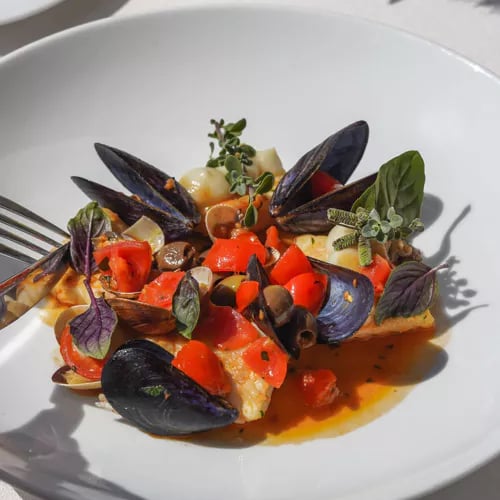
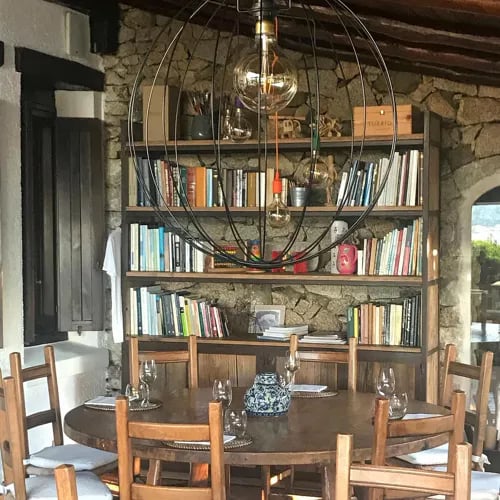
Reaching Il Paguro requires advance reservations—a barrier guards the private road descending to Cala Capra's marina, preserving the romantic exclusivity of this coastal retreat. Within Hotel Capo d'Orso, a Mediterranean terrace surveys the sheltered bay while the kitchen delivers classic, unfussy preparations centered on exceptional local seafood. The Michelin Plate-recognized cooking matches its setting: straightforward, pristine, and deliberately unhurried.

Michelin Selected
Perched above Palau's rocky coastline, La Gritta delivers a seafood-driven menu where imagination meets impeccable sourcing. The kitchen's creative preparations have earned Michelin recognition, each plate reflecting both technical precision and Mediterranean spontaneity. The real theatre unfolds on the terrace, where diners face the archipelago's scattered islands while salt air sharpens the appetite for what arrives next.

Michelin Selected
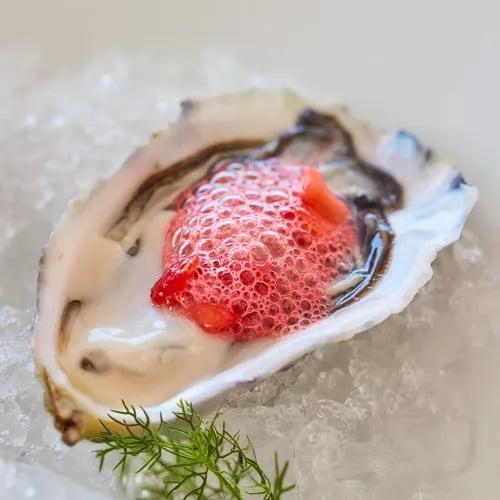
Sardinian seafood takes inventive turns at this Michelin Plate address in Santa Teresa Gallura, where spaghetti dressed in garlic-chili emulsion arrives alongside red prawn carpaccio finished with crispy bread crust. Traditional preparations hold equal sway—notably a seafood soup slow-cooked in a jar. The summer terrace spills onto the village streetscape, offering ringside seats to the passeggiata.
Frequently Asked Questions
How do I reach the La Maddalena Archipelago from mainland Sardinia?
+
Ferries depart every 15-20 minutes from Palau on Sardinia's northeastern coast. The crossing takes approximately 20 minutes and runs year-round, with increased frequency during summer months. Olbia Costa Smeralda Airport lies 40 kilometers from Palau.
When is the best time to visit the archipelago?
+
May through June and September offer warm swimming temperatures without peak-season crowds. July and August bring Italian holidaymakers en masse, filling beaches and restaurants. The shoulder seasons allow easier boat excursions to protected islands like Budelli and Spargi.
Can I visit the famous pink beach on Budelli Island?
+
Landing on Spiaggia Rosa has been prohibited since 1994 to protect its unique coral-fragment sand. Boats may anchor offshore, allowing visitors to view and photograph the beach from the water. Guided excursions from La Maddalena include this stop on archipelago tours.
Nearby Destinations
Explore Italy



La Maddalena
Sixty islands scattered across the Strait of Bonifacio form one of the Mediterranean's most protected marine environments. La Maddalena town, the archipelago's only permanent settlement, wraps around a natural harbor where fishing boats still unload the morning's catch. Caprera, connected by a causeway, draws visitors to Garibaldi's preserved home and wild hiking trails through macchia scrubland. The beaches here — Cala Coticcio, Spiaggia Rosa on Budelli — require boat access and carry the mystique of genuine remoteness.
The dining scene centers on Via Garibaldi and the waterfront piazzas, where restaurants serve zuppa gallurese, sea urchin pasta, and locally caught dentice. Summer transforms the harbor into an open-air social club; winter returns the islands to their residents and a handful of off-season travelers seeking solitude. Military history runs deep — the archipelago housed an Italian naval base until 2008, and Cold War–era bunkers still dot the landscape, gradually being reclaimed by juniper and wild rosemary.