


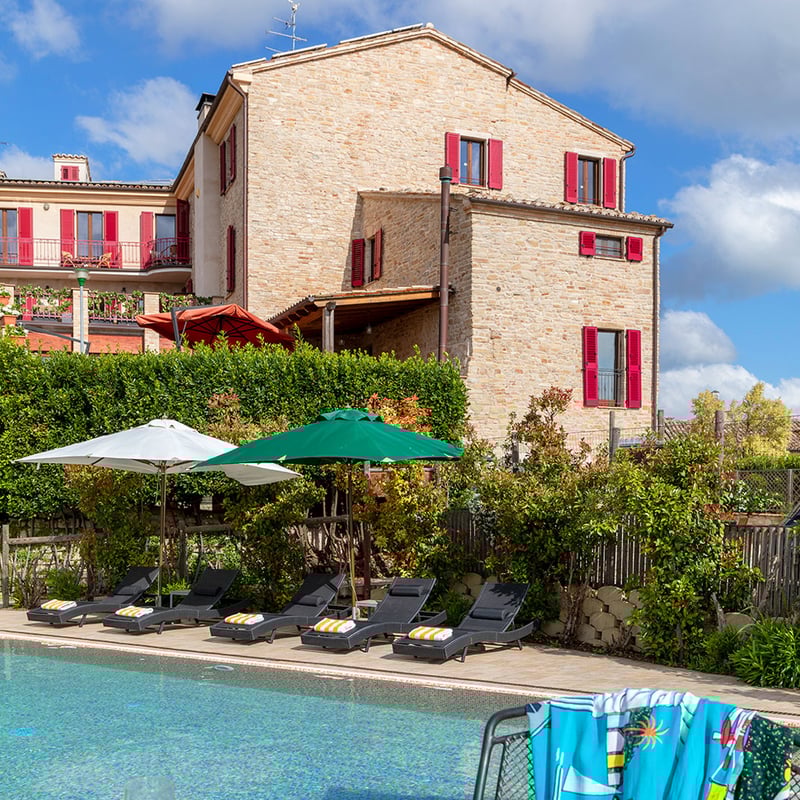
Eight rooms occupy this boutique property in Le Marche's Sibillini foothills, where views stretch to the Adriatic coast. The Art Deco bar pours local vintages from a dedicated cellar, while dinner moves to the courtyard beneath open sky. Days drift between the outdoor pool and terraced garden; evenings might bring in-room spa treatments or drinks by the wood-burning fireplace.
Fermo & San Benedetto Travel Guide: Best Hotels, Restaurants & Experiences 
Explore Fermo San Benedetto
Hotels (1)
Restaurants (6)
Where to Stay
Where to Eat

★ Michelin
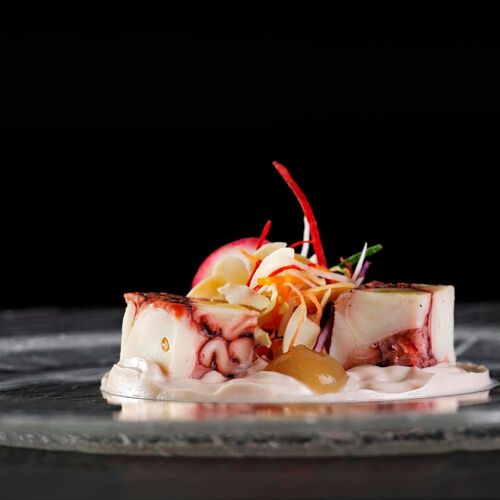
Young chef Richard Abou Zaki has earned a Michelin star for his inventive seafood compositions at this intimate Porto San Giorgio address. The minimalist dining room holds just a few tables facing an open kitchen, where Abou Zaki's contemporary plates arrive marked by a signature acidic brightness that cuts through rich marine flavors. An evolving wine program and serious cocktail selection complete the experience.

Michelin Selected
Chef Massimiliano Capretta, having honed his craft in Alba Adriatica, now helms this Adriatic address with a pronounced commitment to organic sourcing. His menu navigates between meat and fish, drawing on regional Marchigiano traditions while introducing modern inflections to classic preparations. The kitchen shares family talent: sister Dalila's millefeuille has earned devoted admirers, a layered finale to meals grounded in coastal authenticity.

Michelin Selected
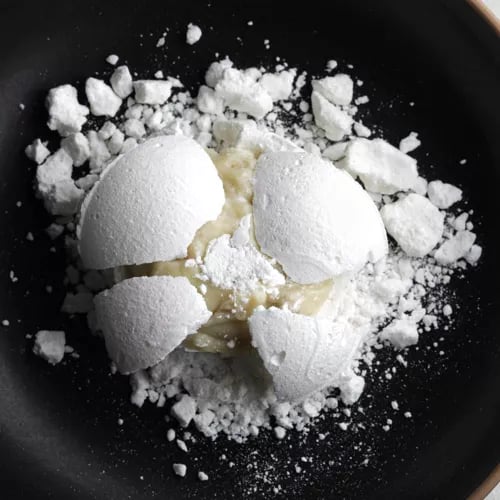
Perched atop the historic Kursaal building in Grottammare, this panoramic dining room showcases Adriatic seafood through a contemporary lens. The kitchen's signature turbot arrives as a near-complete study of the fish—fillets, cheeks, and crisp skin crackling—while tableside preparations of seafood salad and alkermes cake with pastry cream bring theatrical flourish to the meal's bookends.

Michelin Selected
A restored aristocratic residence once belonging to the counts of Adami provides the setting for this Michelin-recognized table. The young Neapolitan chef draws on both his heritage and the surrounding Marche landscape—green maquis rolling toward distant Adriatic views—to craft dishes of striking clarity. The estate's own vineyards and olive groves supply wines and oils featured in dedicated tastings.

Bib Gourmand
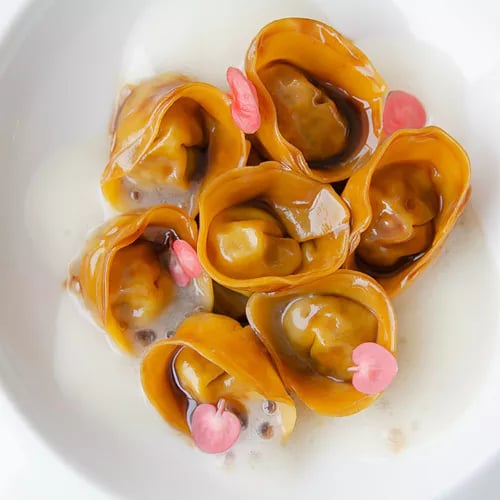
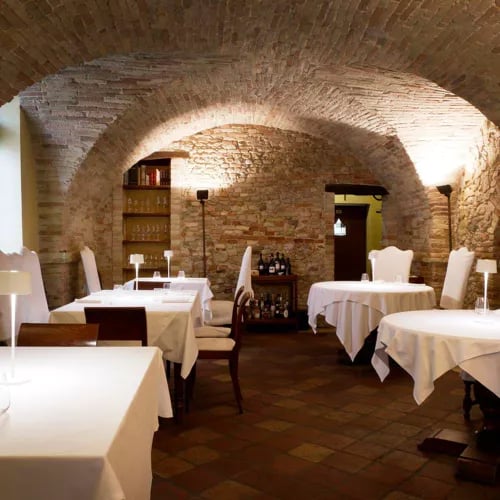
Beneath the brick-vaulted ceiling of a converted palazzo stable in Offida's pedestrianized historic quarter, chef-owner Daniele Citeroni Maurizi delivers Bib Gourmand-recognized cooking with regional roots and contemporary imagination. His signature stuffed cannelloni, finished over charcoal, demonstrates the kitchen's inventive precision. A dedicated tasting menu for diners under twenty-five reflects an uncommon commitment to accessibility without compromise.

Michelin Selected
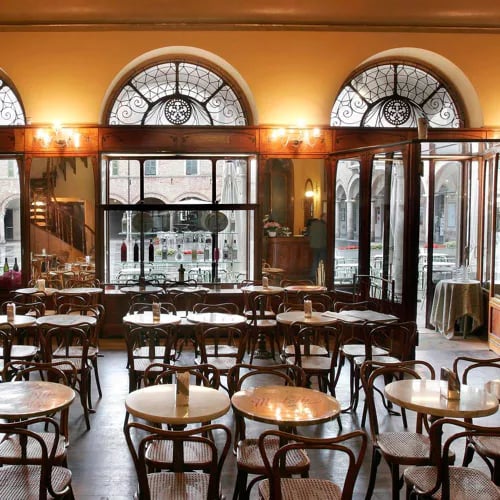
Above the legendary café where Meletti anisette was born, a first-floor dining room opens onto one of Italy's most elegant Renaissance squares. The kitchen delivers regional Marche cooking with maritime accents—straightforward preparations elevated by quality ingredients and creative touches. Lunch brings quicker formats for visitors exploring Ascoli Piceno; evening service rewards those who linger on the terrace as Piazza del Popolo glows beneath.

Michelin Selected
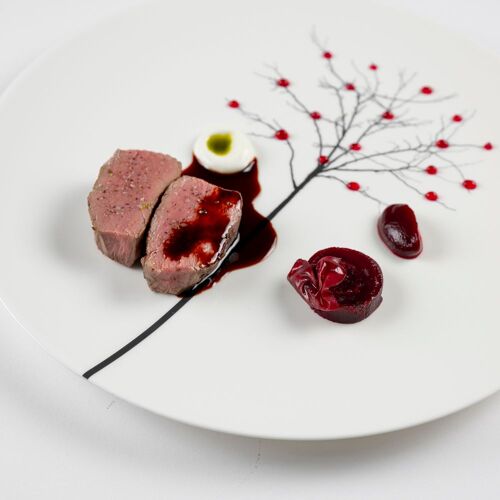
Behind the Torre dei Gualtieri, a nineteenth-century building with fifteenth-century foundations houses this intimate address where Marche traditions receive thoughtful modern treatment. The kitchen's signature boned caramelised rabbit, served in its concentrated jus, speaks to deep regional roots, while daily market runs ensure fish preparations shift with the catch. A focused menu prizes seasonal intensity over abundance.

Michelin Selected
Six decades of refinement have shaped Emilio into a regional institution for classic fish cookery. The kitchen excels at preparations like fish stew and mixed steamed fish presented on a bed of steamed vegetables, with catches often announced tableside before service. An elegant dining room displays striking contemporary art, creating an atmosphere suited to unhurried, celebratory meals along the Marche coast.
Frequently Asked Questions
What is the best way to travel between Fermo and San Benedetto del Tronto?
+
The two towns are connected by a thirty-minute drive through the gentle hills of the Marche. Local buses run regularly, though a car provides flexibility for exploring the countryside estates and smaller villages like Torre di Palme, perched dramatically above the coast.
When is the ideal season to visit this part of the Adriatic coast?
+
Late spring and early autumn offer the best balance: warm enough for swimming in San Benedetto, cool enough to wander Fermo's steep streets comfortably. July and August bring Italian holiday crowds to the beaches, while winter sees Fermo's cultural calendar — concerts in the Teatro dell'Aquila — come alive.
What local dishes should visitors seek out in Fermo and San Benedetto?
+
San Benedetto's brodetto sambenedettese uses green tomatoes and vinegar, distinguishing it from other Adriatic fish stews. Inland, Fermo's trattorias serve vincisgrassi, the region's richer answer to lasagna, alongside olive ascolane — fried stuffed olives from neighboring Ascoli Piceno that appear on nearly every aperitivo spread.
Nearby Destinations
Explore Italy



Fermo San Benedetto
Fermo rises from the Marche hills with the authority of a medieval town that once controlled its own destiny. The Piazza del Popolo remains the civic heart, flanked by the Palazzo dei Priori and its pinacoteca housing Rubens and Tintoretto. Below the cathedral, the Cisterne Romane — vast underground chambers dating to 40 AD — remind visitors that imperial engineers chose this strategic hilltop long before the Lombards or the Papal States.
Thirty kilometers east, San Benedetto del Tronto stretches along the Adriatic with its palm-lined lungomare and trabocchi fishing platforms jutting into the sea. The town's fish market operates with the intensity of a trading floor each morning, supplying the brodetto that defines local tables. Between these two poles — one vertical and stone-built, the other horizontal and salt-sprayed — the territory offers both Renaissance contemplation and the simple pleasures of a well-run beach establishment.