A Renaissance square in Isola Dovarese sets the stage for this early nineteenth-century café turned trattoria, where Art Nouveau details frame generous Po Valley cooking. The kitchen draws from regional traditions—marubini stuffed pasta bobbing in rich broth, aged culatello, bollito misto with house-made mostarda. A Bib Gourmand and Green Star holder, it also operates a boutique stocked with local provisions worth bringing home.
Six generations have tended this family trattoria since 1850, earning it devoted following among connoisseurs of Bassa Padana cooking. The kitchen bridges Cremona and Mantova traditions with remarkable fluency—pumpkin tortelli dressed in sweet tomato sauté, the historic porc-tonné drawn from Pellegrino Artusi's original recipe, sbrisolona served warm with zabaglione. The exuberant chef navigates guests through regional wines and seasonal plates with infectious enthusiasm.
Four decades of dedication to Lombard tradition have earned this family table its Bib Gourmand distinction. The kitchen celebrates the area's renowned goose in multiple preparations, alongside a parade of locally sourced bollito misto served from a classic trolley. Wine service follows the same theatrical approach—glasses poured tableside from a rolling cart, turning each meal into an unhurried ritual of regional authenticity.
Five minutes from Crema, this Bib Gourmand trattoria occupies a pastoral setting where summer meals unfold on a garden-facing terrace. The kitchen honors Lombard traditions through local charcuterie, farmhouse poultry, and Crema's celebrated sweet tortelli, while foie gras makes frequent appearances. Inside, green wood-panelled walls and a veranda dining room maintain an atmosphere of rustic warmth suited to unhurried regional feasting.
Beneath brick vaults that speak to Lombardian heritage, chef Samuele Miglioli crafts generous interpretations of regional classics at this Bib Gourmand address near Cremona. The marubini pasta arrives swimming in three distinct broths, while celebrated pumpkin tortelli and a striking rice timbale layered with beef ragù and carpaccio reward those who venture to this provincial table. An impressive sparkling wine selection complements the feast.
Behind the ancient walls of Pizzighettone, where the Adda River bisects this fortified town, Da Giacomo pairs rustic warmth with contemporary restraint. The kitchen lightens regional Lombard traditions—nougat espuma with melted chocolate, suckling pig glazed in Sicilian orange blossom honey—while diners settle beneath the portico's stone arches. A wine list built with decades of personal devotion complements each course.
Across two contemporary floors and a veranda terrace, Kandoo Nippon Restaurant delivers Japanese cuisine with precision and restraint. Raw and cooked preparations of fish and meat arrive with clean, distinct flavors that speak to technical confidence. Weekday lunches pivot to rice bowls and noodles, while an impressive Champagne selection elevates evening service. A polished choice for those seeking refinement without pretense.
Five minutes from Crema, this contemporary trattoria pairs minimalist interiors—punctuated by bold color accents—with Italian cooking that shifts register between services. Weekday lunches deliver tradition at accessible prices; evenings and weekends bring modern inflections to the plate. A Franco-Italian wine list, strong on champagne, complements either tempo, making La Fortuna equally suited to business meals and leisurely weekend dinners.
A bucolic Lombardy address where the kitchen moves fluidly between land and sea—tripe braised with legumes alongside amberjack dressed in coconut and sea urchin. The grill stands ready for prime cuts, while an alpine-leaning wine list draws heavily from beyond Italian borders. Inside, the mood shifts to clean-lined comfort, a modern counterpoint to the pastoral setting outside. Michelin Plate.
Fabio and Vale bring youthful energy to this informal dining room near Crema, where moderately creative cooking veers pleasantly from Lombardy's traditional repertoire. The kitchen shows particular confidence with seafood—Mazara del Vallo red prawns arrive with green gazpacho, caviar, and lemon, a signature preparation that captures the restaurant's inventive spirit. A Michelin Plate holder suited to travelers seeking polished cooking without ceremony.
Frequently Asked Questions
What are Cremona's signature dishes to look for on restaurant menus?
+
Marubini in tre brodi — stuffed pasta served in a blend of beef, chicken, and salami broths — remains the city's defining dish. Gran bollito cremonese, a ceremonial platter of mixed boiled meats, typically accompanies mostarda, the candied fruit condiment in spiced syrup that Cremona has produced since the Renaissance.
Which neighborhoods offer the best concentration of restaurants in Cremona?
+
The historic center between Piazza del Comune and Piazza della Pace holds the highest density of established restaurants. Via Solferino and the streets near Palazzo Fodri provide quieter alternatives, while Corso Campi offers a mix of casual osterias and more formal dining rooms.
When should reservations be made for Cremona's top restaurants?
+
Weekend dinners at popular addresses require booking several days ahead. During the Stradivari Festival in autumn and opera performances at Teatro Ponchielli, tables at the better restaurants fill quickly — securing reservations a week or more in advance is advisable during these periods.
Nearby Destinations
Explore ItalyCremona's culinary identity runs as deep as its violin-making heritage. The city claims several DOP products — mostarda cremonese, torrone, and marubini pasta served in three broths — that anchor restaurant menus from the historic center's cobblestoned lanes to the quieter tables along Via Solferino. Local chefs treat these ingredients with reverence, though contemporary interpretations have emerged in recent years.
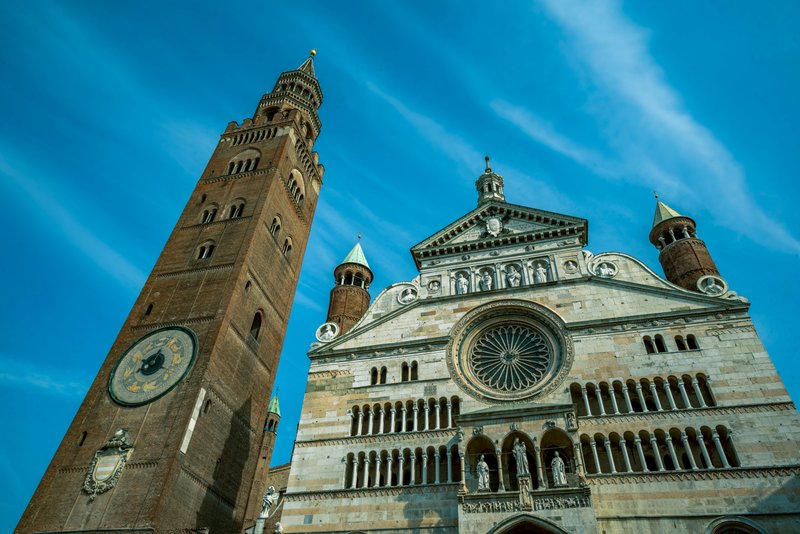
The dining scene concentrates around Piazza del Comune and the streets radiating from the Duomo, where stone-walled trattorias serve bollito misto alongside more refined tasting menus. Evening service tends toward the unhurried pace typical of provincial Lombardy; reservations at the better addresses require advance planning, particularly during opera season at Teatro Ponchielli.