Two centuries-old wood-paneled stube house chef Fabrizia Meroi's Michelin-starred kitchen, where menus bear names in the local Sappada dialect. The Plissn tasting traces seasonal rhythms with occasional refined exotic accents, while Asou chronicles the restaurant's own culinary narrative. Daughter Elena oversees a thoughtful wine program with generous by-the-glass options, completing an intimate mountain dining experience rooted in Carnia's terroir.
In the remote village of Raveo, chef Gloria Clama has built a quiet reputation for reinterpreting Carnic mountain cuisine with unexpected sophistication. Her plates draw entirely from local ingredients—alpine herbs, heritage grains, aged cheeses—yet arrive with a modern boldness that surprises even seasoned diners. The dining room pairs warm wood surfaces with contemporary accents, creating an intimate setting suited to unhurried, contemplative meals.
The Kratter family's mountain table channels the forests and meadows of Sappada's Dolomite valley into refined regional cooking. Venison arrives tender and precise, dressed with mountain pine jus and saffron-poached Williams pears—a dish that captures the kitchen's ability to balance wild aromatics with seasonal finesse. Below, the KAVEAU cellar rewards curious diners with vertical tastings in a setting as dramatic as the peaks outside.
A Bib Gourmand family trattoria where the chef's obsession with hyper-local sourcing shapes every plate. The kitchen draws from its own organic vegetable garden, while an on-site educational farm with pet therapy adds rural authenticity to the experience. Regional Friulian specialities dominate the menu, though the real draw may be the signature millefeuille layered with strawberries and cream—a pastoral finale worth the mountain drive.
A wood-burning fireplace scents the air of this remote Friulian chalet, where a single tasting menu—bookable only two days ahead—showcases hyper-local ingredients through the seasons: foraged Valdestali herbs in spring, garden vegetables by summer, wild berries come autumn. Signature plates run to venison ragout lasagnetta with chanterelles and handmade cjarsons, closing with an heirloom apple strudel served warm alongside vanilla ice cream.
Frequently Asked Questions
What is cjarsòns and where can I try it in Carnia?
+
Cjarsòns are traditional Carnic stuffed pasta with sweet and savory fillings that differ by village and family. The best versions appear in trattorias throughout the Carnia valleys, particularly in mountain communities like Sutrio, Paularo, and the villages around the Pesarina valley, where recipes have been passed down through generations.
Are there mountain refuges with good food in the Friulian Dolomites?
+
Yes, several rifugi in the Friulian Dolomites serve excellent traditional mountain cuisine. These alpine huts, reached by hiking trails of varying difficulty, offer hearty dishes like barley soup, polenta with game, local cheeses, and house-made desserts. Many source ingredients from nearby farms and dairies.
What local products should food lovers seek out in this region?
+
Montasio cheese in various ages, smoked ricotta (scuete fumade), locally cured speck, stone-ground polenta, and grappa distilled from regional grape varieties. The area also produces excellent honey, wild herb liqueurs, and fruit preserves from mountain orchards.
Nearby Destinations
Explore ItalyThe valleys of Carnia preserve a culinary tradition shaped by centuries of isolation and resourcefulness. In villages like Sutrio and Pesariis, family-run trattorias serve cjarsòns — stuffed pasta parcels with recipes that vary from one household to the next, dressed in smoked ricotta and melted butter. Frico, the crispy cheese and potato cake, appears on nearly every menu, alongside game from the surrounding forests and polenta ground from local corn varieties.
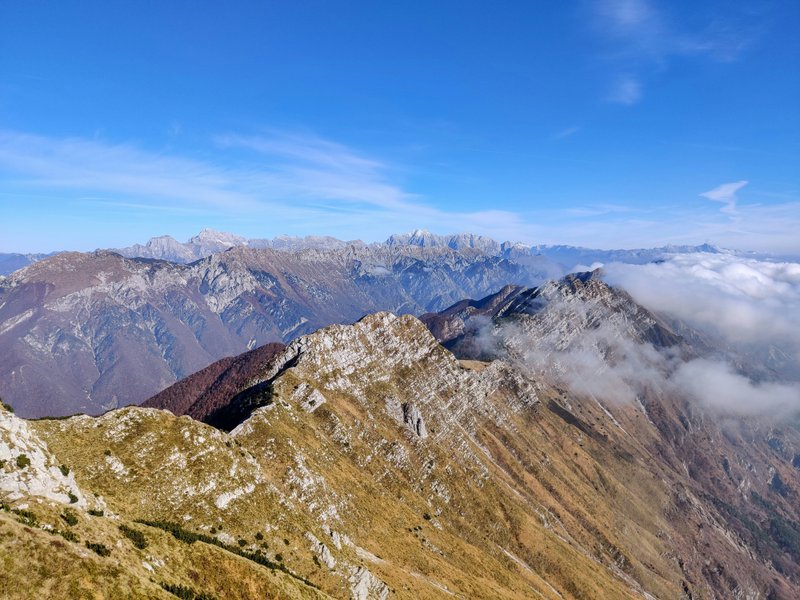
The Friulian Dolomites add altitude to the palate. Rifugi accessible by hiking trails offer hearty mountain fare: barley soups, speck carved from legs cured in cool cellars, and plates of Montasio cheese aged in alpine dairies. Down in towns like Tolmezzo and Ampezzo, more refined establishments interpret these ingredients with contemporary technique while respecting their origins. The region's orchards contribute apple strudel and fruit preserves, while distilleries produce grappas from local grape pomace — a fitting conclusion to meals eaten beneath peaks that glow pink at sunset.