


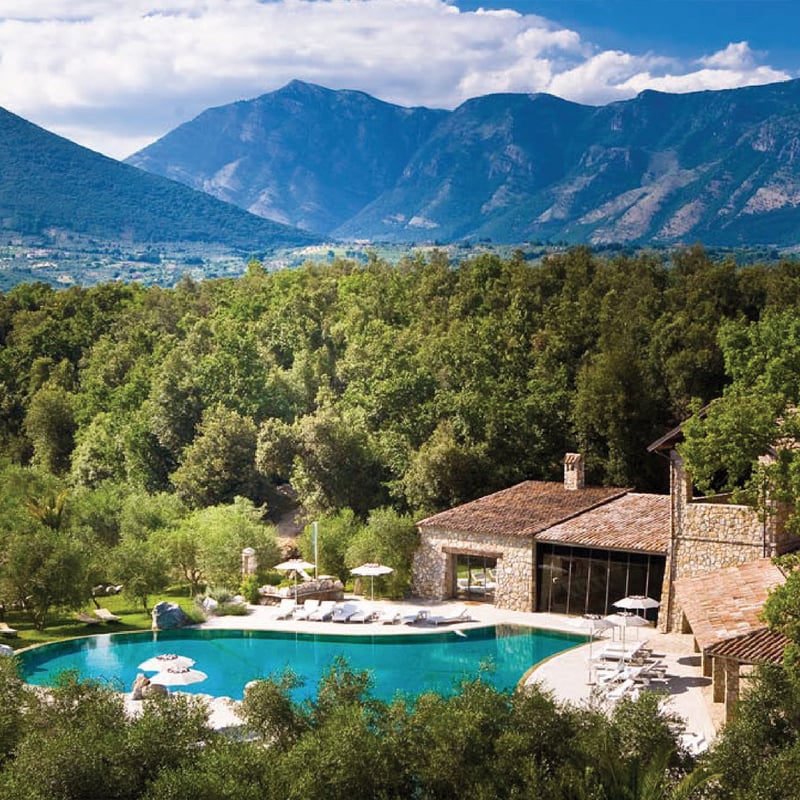
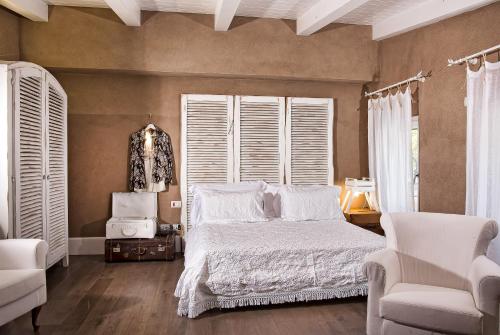
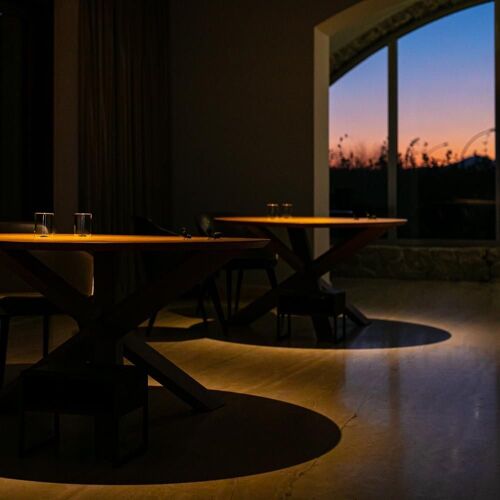
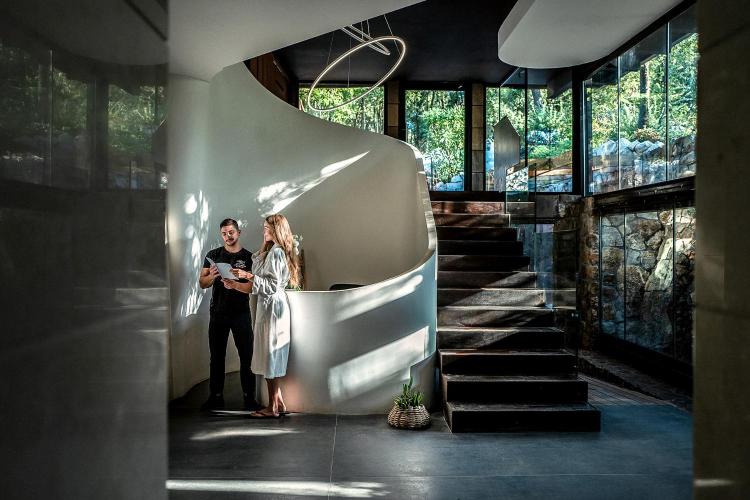
A 19th-century lime kiln hamlet in Campania's hills has been reimagined as a 42-room retreat where no two accommodations match—expect boldly colored walls, waterfall fixtures, and in one executive suite, a private pool through a stone archway. The 6,000-square-foot spa occupies a converted limestone barn with Turkish baths and aromatherapy showers, while a Michelin-starred restaurant in the former wine cellar showcases regional cuisine.
Avellino & Irpinia Travel Guide: Best Hotels, Restaurants & Experiences 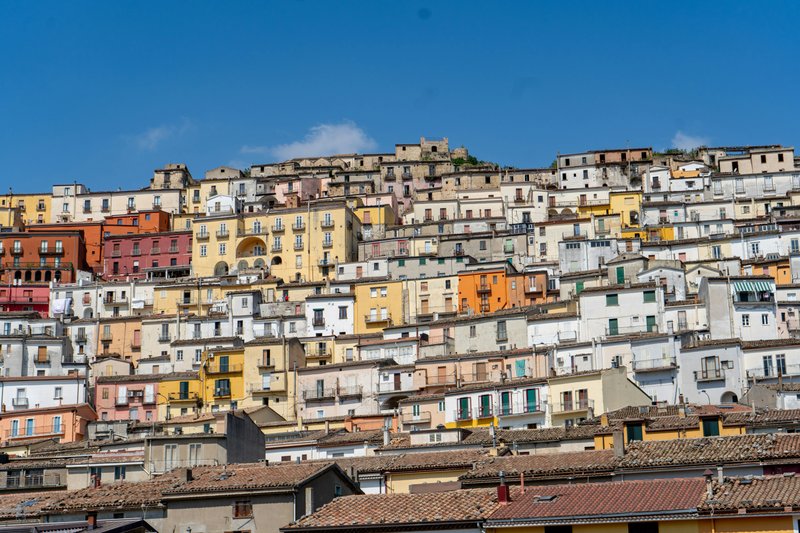
Explore Avellino Irpinia
Hotels (3)
Restaurants (7)
Spa (1)
Where to Stay

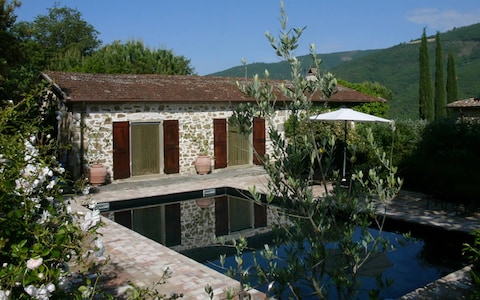
Fashion director Margherita presides over this contemporary retreat straddling the Umbrian-Tuscan border, where design-conscious couples find refuge among clean lines and considered details. Mornings unfold with lavish breakfasts beside the saltwater pool; afternoons drift between vineyard walks and glasses of the estate's own Metato rosé. Bicycles stand ready for those inclined to explore the surrounding hills at their own pace.

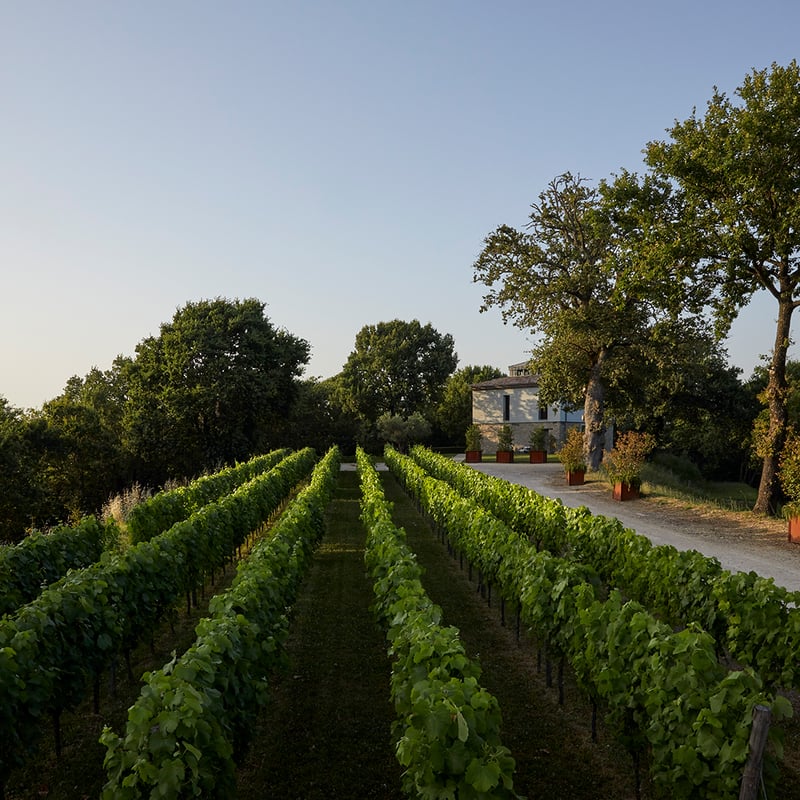
Twelve rooms scattered across Campania's wine country, where Hiraku Mori's Venice Biennale award-winning winery architecture anchors the Feudi di San Gregorio estate. Guests choose between the restored 19th-century Dimora Naturalia, the Fallen Fruit-adorned Dimora Botanica, or the Winemaker's Suite beside the cellar. Vineyard views and an on-site restaurant rooted in local cuisine complete an immersion suited to oenophiles and design devotees alike.

Lush gardens conceal this twelve-room agriturismo and working winery in the Irpinia hills, where shabby chic interiors give each room a craftsman's name—lute maker, cobbler, blacksmith. The spa offers hammam, sauna, and jacuzzi, while both indoor and seasonal outdoor pools provide year-round swimming. A low-impact property suited to travelers seeking rural authenticity with polished comforts.
Where to Eat

★★ Michelin
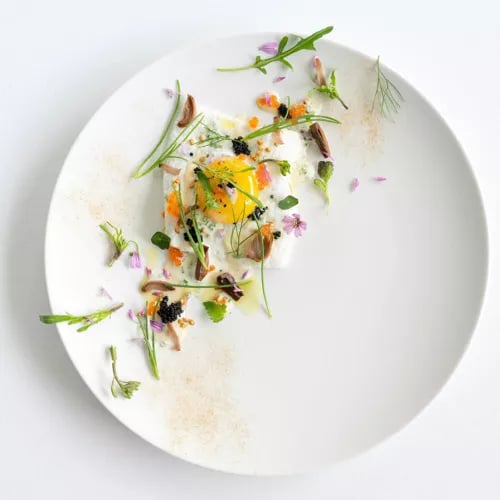
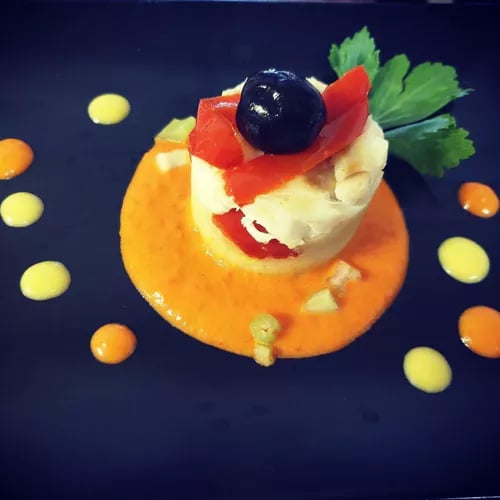
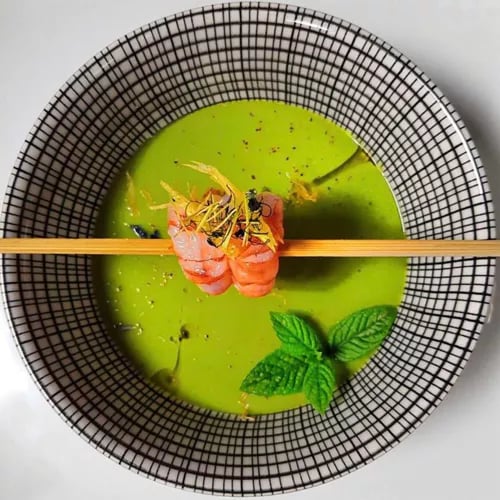
An ancient Campanian farmhouse provides the stage for Chef Giuseppe Iannotti's boundary-pushing gastronomy. His single blind tasting menu unfolds as a series of calculated surprises, each dish built on fermentations, macerations, and technical extractions that yield startling depth. Global influences thread through reinterpreted classics, while natural wines from small producers pay homage to Krésios—the god of wine himself. Two Michelin stars confirm the laboratory's success.

★ Michelin
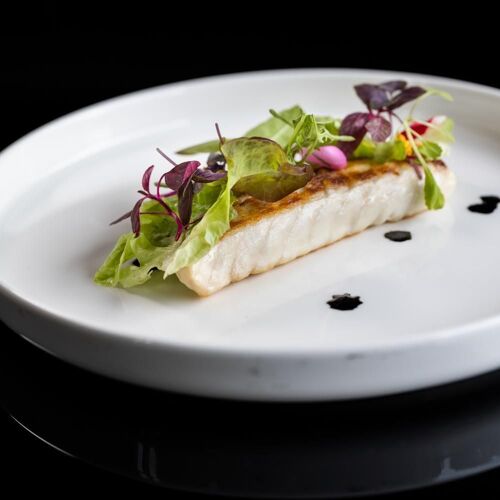
Within the converted farmstead of Acquapetra Resort, chef Luciano Villani holds a Michelin star for his uncompromising approach to Sannio's organic terroir. Two tasting menus divide loyalties: Aqua explores fish, Petra celebrates meat, both rooted in regional identity with subtle outside inflections. The setting—antique furnishings against contemporary elegance—suits travelers seeking refined Campanian gastronomy beyond the coastal crowds.

★ Michelin
An 18th-century olive oil mill provides the atmospheric foundation for this one-Michelin-starred table, where the original stone cellars now house an intimate wine collection. The kitchen, helmed by a returning former sous-chef, presents exclusively blind tasting menus rooted in Campanian terroir, with vegetables and local produce taking center stage. A garden terrace surveys the Irpinian hills and ancient olive groves below.

★ Michelin
Chef Domenico Marotta earns his Michelin star through disciplined restraint—modern plates that appear minimal yet deliver generous, unexpected flavors. The kitchen garden supplies vegetables that share billing with seafood, while signature preparations like the Leccarda-style pigeon use every part of the bird in homage to Umbrian tradition. A knowledgeable sommelier narrates each course with infectious enthusiasm, making this hilltop address essential for serious gastronomes exploring Campania's interior.

★ Michelin· Green Star ●
Three generations of Fischetti women have shaped this one-Michelin-starred table in rural Irpinia, where Michelina and granddaughter Serena Falco cook with mostly organic, seasonal ingredients from surrounding farms. The founder's signature ricotta ravioli with walnut and seared garlic remains a quiet declaration of intent. A Green Star recognizes their sustainable ethos, while the wine list pays devoted tribute to fine 1988 vintages.

Michelin Selected
Young chef Francesco Cerrato has put Montoro on the gastronomic map, drawing inspiration from inland Campania's celebrated cipolla ramata and pairing it with coastal seafood in creative, meticulously composed plates. The minimalist dining room lets the food command attention, while an attentive young team delivers polished service. A compelling destination for travelers seeking contemporary Italian cuisine rooted in local terroir.

Bib Gourmand
A family-run address in the Berici hills, Trattoria da Zamboni earns its Bib Gourmand through honest Venetian cooking that lets local ingredients speak. The dining rooms overlook rolling greenery, a fitting backdrop for plates of regional meat and the kitchen's standout baccalà alla vicentina—salt cod prepared with patient, traditional technique. Warm hospitality and excellent value define every meal here.

Bib Gourmand
The Ventre family has spent four decades sourcing Irpinia's finest seasonal ingredients, crafting dishes that bridge Campania and Puglia with quiet authority. Their signature 'post-modern' arancino has earned regional fame, while traditional soups and excellent pizzas round out a menu recognized with a Bib Gourmand. A well-chosen wine list complements this unpretentious celebration of southern Italian terroir.

Bib Gourmand
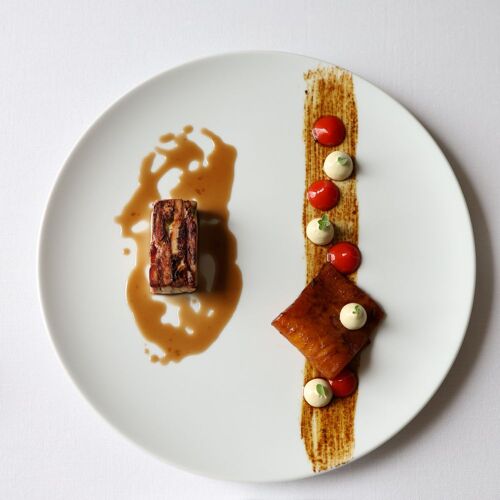
The Silvestro father-and-son team earned a Bib Gourmand for their deft handling of Irpinian tradition at this village-square address. Their pork-belly kebab—glazed with papacelle pepper reduction and draped in stracciata—showcases the kitchen's inventive streak, while an impressive cellar of Aglianico and Taurasi verticals rewards curious drinkers. Summer tables spill onto the piazza, perfect for unhurried regional feasting.

Michelin Selected
Surrounded by the rolling greenery of Sannio, visible through expansive windows, Locanda Radici pairs rustic warmth with contemporary Mediterranean aesthetics. The owner-chef, shaped by stints in leading kitchens across Italy and abroad, crafts creative dishes rooted in local ingredients. This is thoughtful, modern cooking in a pastoral setting—ideal for travelers seeking substance over spectacle in the Irpinian countryside.
What to Do

Converted from a rustic village barn, this 600-square-meter spa retains its original limestone, wood, and terracotta while housing a comprehensive hydrotherapy circuit: Kneipp path, Turkish bath, sauna, and hot tubs alongside aroma and chromotherapy showers. Floor-to-ceiling windows frame the surrounding olive groves, anchoring the holistic programming—three pools, sensory treatments, and integrated wellness rituals—in the Campanian landscape.
Frequently Asked Questions
What wines is Irpinia known for?
+
Irpinia produces three prestigious DOCG wines: Taurasi, made from Aglianico grapes and often called the Barolo of the South; Fiano di Avellino, a complex white with mineral notes; and Greco di Tufo, another distinctive white grown on volcanic soils around the village of Tufo.
When is the best time to visit Avellino and Irpinia?
+
Autumn brings the grape harvest and chestnut festivals, making September through November ideal for food and wine experiences. Spring offers wildflowers across the Apennine meadows and comfortable hiking weather. Summer can be hot in the valleys but pleasant in the higher villages.
How do you get around Irpinia without a car?
+
Public transport connects Avellino to Naples by bus and regional train, but exploring the wine villages and countryside requires a car. Some estates and agriturismos arrange transfers or guided excursions to nearby wineries and restaurants.
Nearby Destinations
Explore Italy




Avellino Irpinia
Irpinia unfolds across Campania's mountainous interior, a landscape of chestnut forests, volcanic soils, and medieval hilltop villages that time largely forgot. The provincial capital Avellino sits in a valley surrounded by the Apennines, while smaller comuni like Taurasi, Lapio, and Tufo have become pilgrimage sites for wine enthusiasts drawn to the region's three DOCG wines. Accommodation here favors converted farmhouses and family-run estates over international chains.
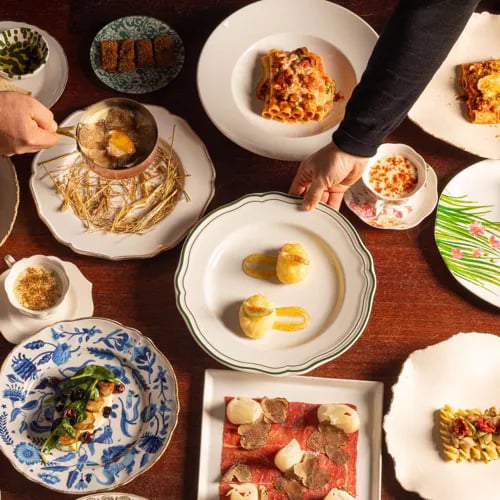
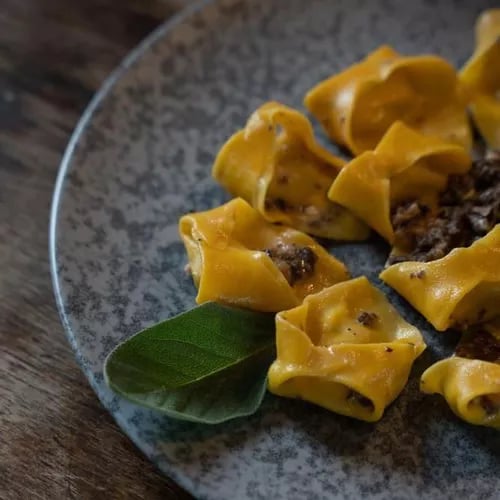
The dining scene reflects centuries of isolation that preserved traditions lost elsewhere in Italy. Restaurants serve handmade fusilli with ragù of local lamb, cardoncelli mushrooms foraged from nearby woods, and the prized Montella chestnuts transformed into both savory dishes and desserts. Agriturismos double as working farms where Aglianico grapes hang heavy in autumn and hosts pour wines from their own cellars. Evening aperitivi happen in village piazzas where locals still gather at dusk.