


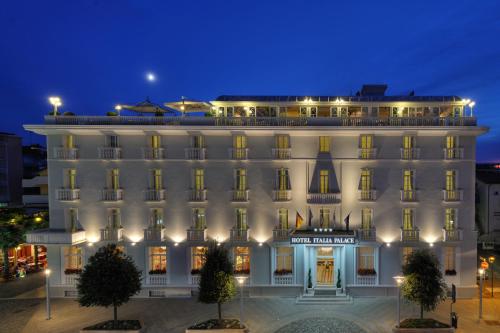
Belle Epoque grandeur defines this meticulously restored 71-room property on the Adriatic coast, where period elegance permeates generously proportioned guestrooms furnished with refined antiques. A seasonal outdoor pool anchors the leisure offering, complemented by sauna and jacuzzi facilities for post-beach relaxation. Golfers benefit from shuttle service to nearby courses, making it ideal for active travelers seeking historic charm.
Aquileia & Grado Travel Guide: Best Hotels, Restaurants & Experiences 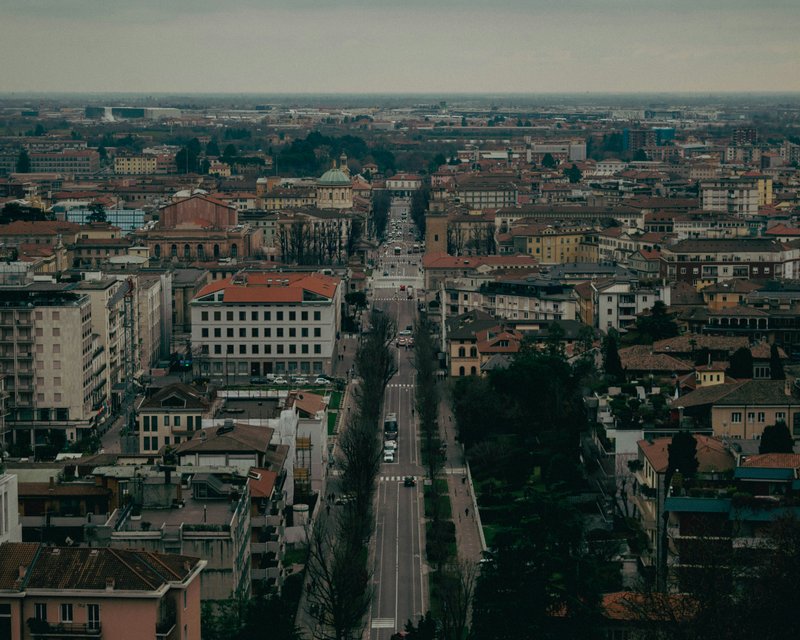
Explore Aquileia Grado
Hotels (3)
Restaurants (3)
Where to Stay

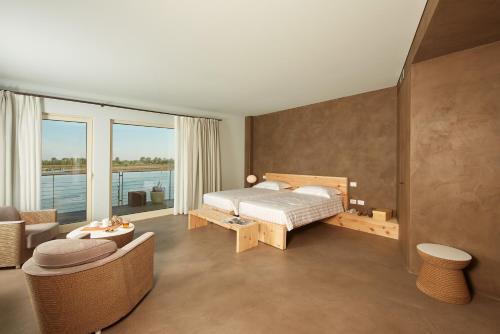
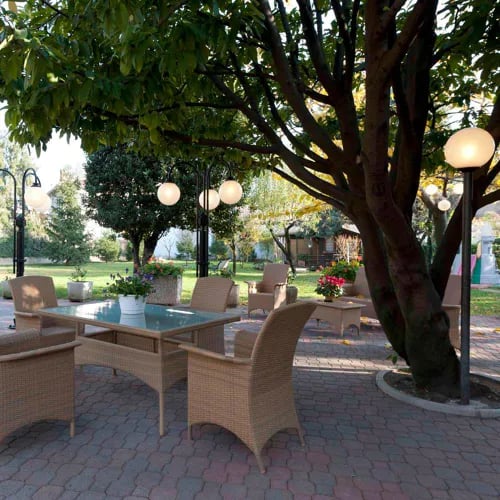
Seven rooms of hushed eco-luxury open onto Grado's lagoon, where wild geese trace low arcs above the marshes. The architecture deploys natural materials—wood, stone, organic textiles—throughout spacious contemporary interiors. Golfers find the fairways steps away; others gravitate toward the jacuzzi and garden bar. A pet-friendly retreat where environmental conscience meets genuine comfort on the Friulian coast.

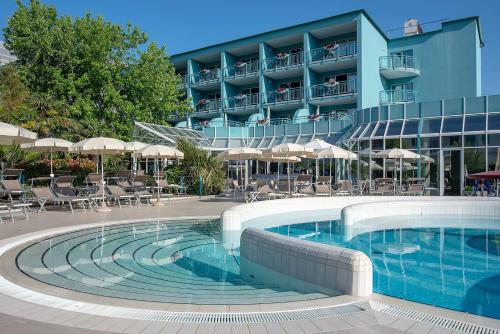
Thermal waters feed the hot spring bath at this 80-room property on Grado's waterfront, where wellness takes center stage alongside twin swimming pools—one indoor, one open to the Adriatic breeze. A full spa with sauna complements the aquatic offerings, while a garden and library provide quieter corners. Apartments suit extended stays; the pet-friendly policy accommodates four-legged companions.
Where to Eat

★ Michelin
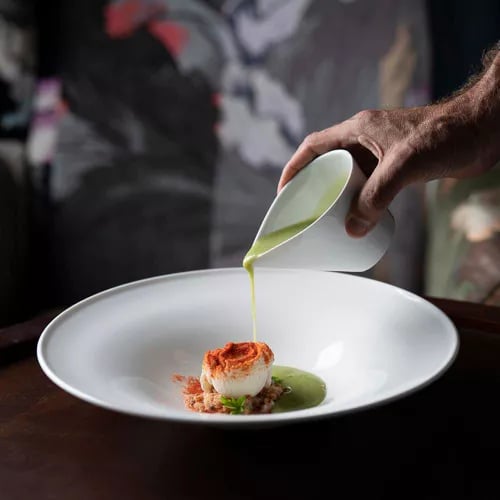
A converted farmhouse amid Friuli's green countryside sets the stage for chef Alessio Devidè's inventive cooking, which reworks Italian classics through a personal lens while honoring regional Friulian traditions. Owner Guido Lanzellotti presides over an exceptional cellar, guiding guests through pairings with infectious enthusiasm. The rustic-romantic setting and one-star cuisine make this an essential detour from the Adriatic coast.

Michelin Selected
A generational shift has brought contemporary energy to this wood-paneled Friulian dining room without displacing its regional soul. The cicchetti-driven format—available in half or full portions—lets diners assemble their own progression through the menu, an approach that rewards curiosity. Local ingredients anchor every plate, treated with respect for tradition and a lighter, more modern hand.

Michelin Selected
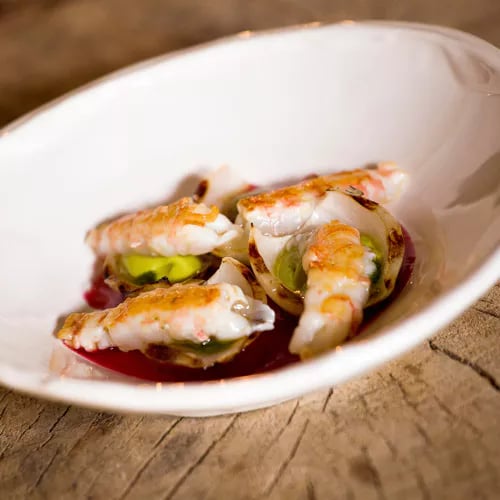
In Monfalcone's Panzano district—a rare historic quarter purpose-built for shipyard workers—this family-run address delivers generous portions of classic fish and seafood in an unpretentious setting. The kitchen focuses on traditional preparations, from pristine crudo to rich seafood risotto, a house specialty documented in their own instructional video. A Michelin Plate holder, Ai Campi di Marcello suits travelers seeking authentic local fare over formality.

Michelin Selected
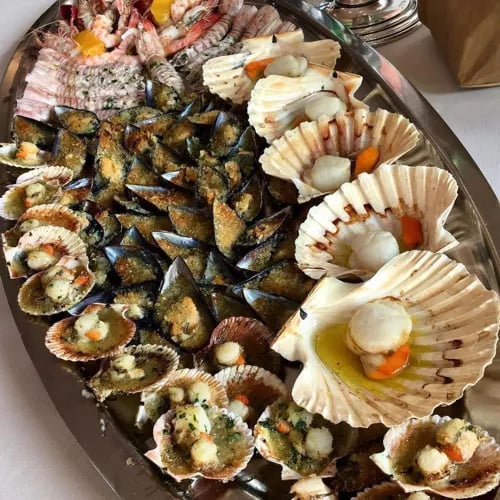
Facing the fish market on Marano Lagunare's port, this Michelin Plate restaurant turns its location into a culinary advantage. Boats unload their catch mere steps from the kitchen, ensuring fish reaches the table at peak freshness. The menu honors Adriatic traditions through straightforward preparations that let impeccable ingredients speak. Surrounding canals and weathered facades complete an atmosphere of unhurried lagoon authenticity.

Michelin Selected
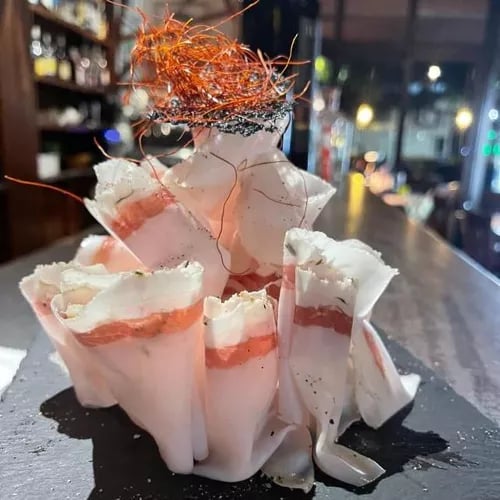
Cured ham takes center stage at this Lignano Sabbiadoro grill house, where a generous selection of Friuli's celebrated prosciuttos shares the spotlight with varieties sourced from across borders. The barbecue anchors the menu, turning out robust Italian and international cuts alongside fresh fish preparations. A Michelin Plate holder, Rueda Gaucha suits carnivores seeking straightforward, fire-kissed excellence on the Adriatic coast.
Frequently Asked Questions
What is the best way to travel between Aquileia and Grado?
+
The two towns sit seven kilometers apart, connected by a flat road ideal for cycling. The route crosses the lagoon with views of the marshes and birdlife. Local buses run regularly, though having a car allows stops at the archaeological sites scattered between them.
When are Aquileia's Roman sites least crowded?
+
Early mornings in May, June, and September offer mild weather and thin crowds. The Basilica opens at 9am, and arriving at opening guarantees time alone with the mosaics before tour groups appear. Winter months see almost no visitors, though some sites reduce hours.
What local dishes should visitors try in Grado?
+
Boreto a la graisana, a fish stew with white vinegar and white polenta, defines Grado's table. Granseola — spider crab served cold with olive oil and lemon — appears on most menus when in season. The lagoon also yields clams, mussels, and small crabs used in risotto.
Nearby Destinations
Explore Italy


Aquileia Grado
Aquileia was once the fourth-largest city in the Roman Empire, and its archaeological park preserves mosaics that rival anything in Ravenna. The Basilica's fourth-century floor stretches across 760 square meters of biblical scenes rendered in tessellated stone. Beyond the excavations, the town itself barely exceeds a thousand residents — a stillness that amplifies the weight of what remains. The Natissa River cuts through, and the ancient port area still yields artifacts to ongoing digs.
Grado, seven kilometers south across the lagoon, operates on different rhythms. The old town's calli wind between Venetian-era buildings, and the fishing harbor fills each morning with boats returning from the northern Adriatic. The thermal baths draw visitors for thalassotherapy treatments using lagoon waters, while the beach stretches uninterrupted toward the Isonzo delta. Dining here follows the catch: granseola crab, razor clams, and boreto — the local fish stew served over white polenta.