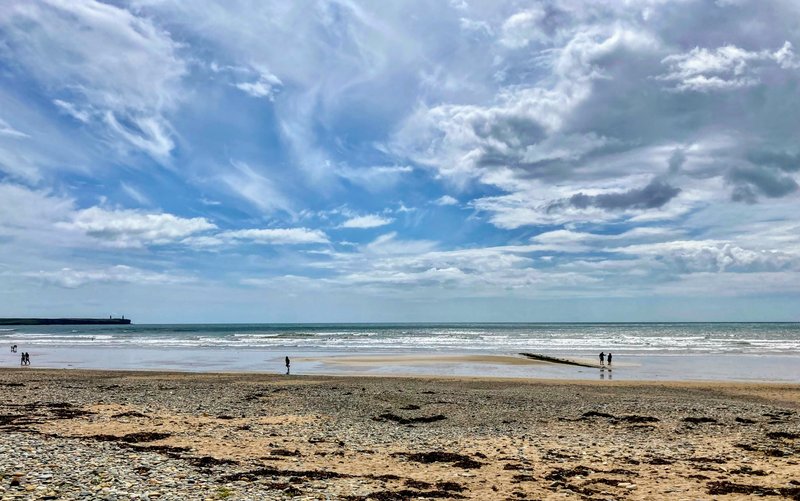
Modern architecture meets Ireland's rugged south coast at this 39-room retreat perched above Ardmore Bay. Floor-to-ceiling windows frame the Atlantic from every room, while the Michelin-starred House Restaurant showcases Irish produce amid sea-green tweed interiors. The Well by the Sea spa features a striking indoor pool, and the Ocean terrace serves legendary chowder with sunset views. Ideal for design-minded gourmands seeking coastal solitude.
Where to Stay
Where to Eat
Perched within a striking glass-fronted hotel on Ardmore's cliffs, this one-Michelin-starred restaurant commands sweeping views across the bay. The kitchen builds on classical French foundations while weaving in creative seasonal inflections, championing regional ingredients—Lismore lamb among them—with impeccable balance. Families find genuine welcome here, with children's menus and bespoke beach picnics adding warmth to the refined setting.
A double-fronted Victorian residence overlooking gardens near Tramore's shoreline, this owner-run bistro delivers some of Ireland's finest fish and chips—the catch changes daily, arriving impeccably fresh and paired with perfectly crisped chips. The concise menu gives seafood rightful prominence, while a cellar stocked with intriguing vintages rewards those who linger over the classic, flavour-driven cooking.
Occupying the former Old Couch Café, Mara seats just six tables in a quirky, intimate space where chef-owner Luis Martin runs the kitchen virtually single-handed. His modern cooking draws on locally foraged ingredients alongside Spanish accents—ajo blanco, cod buñuelo—while the signature cep tiramisu demonstrates his confident, unconventional approach. A compelling choice for travelers seeking ambitious, personal dining on a small scale.
A nineteenth-century stone tannery near Dungarvan's harbour now houses this respected address, where diners choose between counter seating for small plates downstairs or a luminous upstairs dining room for more expansive meals. The kitchen favours classical techniques applied to seasonal Irish produce, with daily specials worth particular attention. An on-site cookery school and stylish townhouse accommodation nearby extend the experience beyond a single meal.
Fifteenth-century stone walls and a vaulted brick cellar set the stage at this Bib Gourmand bistro on Waterford's High Street. The kitchen applies modern technique to prime Irish ingredients, letting natural flavours lead—snow-white hake arrives with piquant salsa verde and silken mash, a dish that captures the ethos precisely. Upstairs, a characterful barrel-fronted bar invites a pre-dinner glass in Ireland's oldest city.
Beneath the looming silhouette of Lismore Castle, this converted pub delivers Michelin-recognized cooking rooted in County Waterford's larder. The kitchen favors honest, comfort-driven plates—liver and bacon, braised lamb shank, crisp calamari—executed with prime local ingredients and zero pretension. Service radiates genuine warmth, and sensible pricing makes this an address worth returning to weekly.
Frequently Asked Questions
What makes the Viking Triangle significant for visitors to Waterford?
+
The Viking Triangle contains Ireland's most complete collection of medieval monuments within walking distance. Reginald's Tower, dating to the 12th century, anchors a compact area that includes the Medieval Museum, Bishop's Palace, and excavated Viking house foundations. The street layout itself preserves the original Norse settlement pattern from 914 AD, making this one of Europe's best-preserved Viking urban footprints.
Which neighborhoods offer the best atmosphere for evening dining?
+
The quayside area between Reginald's Tower and the Clock Tower concentrates the city's more ambitious kitchens, with waterfront tables available in warmer months. John Street and its tributaries offer a more local atmosphere, where traditional pubs sit alongside contemporary Irish restaurants. The Apple Market square hosts weekend food markets and opens onto several reliable dining options.
How does Waterford's crystal heritage connect to the visitor experience?
+
The House of Waterford Crystal operates a working factory where visitors observe master craftsmen at various stages of production — blowing, cutting, sculpting, and engraving. Unlike museum displays, this is active manufacturing using techniques largely unchanged since the company's 1783 founding. The adjacent retail hall displays pieces from simple stemware to elaborate commissioned works, with factory pricing that draws collectors from across Europe.
Nearby Destinations
Explore IrelandIreland's oldest city wears its thousand-year history without pretension. The Viking Triangle preserves medieval street patterns where Reginald's Tower still stands watch over the quays, while the Georgian Quarter along The Mall and O'Connell Street reveals elegant townhouse proportions. The Suir flows through it all, its tidal rhythms shaping daily life along the waterfront.
The dining scene reflects Waterford's dual identity as port city and agricultural heartland. Along the quays and threading through narrow lanes off Barronstrand Street, kitchens work with Dunmore East fish landed that morning and produce from the surrounding river valleys. The Waterford Greenway has brought renewed energy to the waterfront district, drawing visitors who stay to explore the city's collection of medieval churches and the House of Waterford Crystal, where master craftsmen continue techniques established here in 1783.



