This 1832 neo-Gothic manor commands 840 acres of parkland along the River Maigue, its silhouette defined by four towers, 52 chimneys, and 365 leaded windows. Augustus Pugin fireplaces anchor interiors where heritage meets active pursuits—the Tom Fazio golf course hosts the 2027 Ryder Cup. Four restaurants include the refined Oak Room, while the vaulted spa and 132-foot Gallery for afternoon tea complete an estate built for extended stays.
Where to Stay
This 1830 Georgian townhouse in Limerick's historic quarter preserves its period grandeur—ornate marble hearths, gilt-framed mirrors, expansive sash windows overlooking private gardens—while twenty rooms split between heritage styling and clubbier contemporary design. A candlelit basement spa with exposed brick walls and sauna offers restoration; upstairs, the bar pours bespoke cocktails and herbal infusions. The Townhouse Suite commands views across to the Clare mountains.
Fifteen rooms look out over the emerald fairways of Ballybunion Golf Club from this intimate guesthouse perched among the sand dunes of County Kerry's Atlantic coast. Early breakfast service accommodates dawn tee times, while dedicated locker rooms cater to golfers returning from the links. Beyond the course, cliff walks and beaches lie minutes away, and evenings bring guests together at a bistro serving refined Irish cuisine.
Where to Eat
Inside Adare Manor's wood-panelled dining room, lavish chandeliers cast light over a glass-enclosed terrace surveying 850 acres of Irish countryside. The kitchen holds a Michelin star for its tasting menu of modern cuisine, built around prime ingredients and flourishes of luxury—turbot cooked on the bone arrives in mussel-saffron sauce, crowned with caviar. The wine programme offers exceptional depth by the glass.
A whitewashed Palladian villa on University of Limerick grounds, East Room draws diners first to its drawing room for aperitifs before seating them beneath ornate plasterwork and Corinthian columns. The grand dining room doubles as a gallery, its walls hung with notable artworks. From this theatrical setting emerge plates of quiet sophistication—refined compositions built on prime Irish produce, handled with precision.
A thatched cottage in one of Ireland's most photogenic villages, 1826 Adare delivers modern Irish cooking with quiet confidence. The kitchen showcases premier local ingredients—Dooncastle oysters, Skeaghanore duck from West Cork—while the black sole served on the bone has earned devoted followers. An experienced couple runs the intimate dining room with genuine warmth, and Sunday's late lunch menu provides excellent value.
Frequently Asked Questions
Which neighborhoods in Limerick are best for upscale accommodation?
+
The Georgian Quarter around O'Connell Street and Pery Square offers elegant townhouse hotels within walking distance of restaurants and cultural sites. For countryside estates with period character, properties along the Shannon estuary provide easy access to the city while maintaining rural seclusion.
What makes Limerick's food scene distinctive?
+
Proximity to some of Ireland's finest produce — Atlantic seafood from County Clare, grass-fed beef from the Golden Vale, farmhouse cheeses from the surrounding counties — gives local chefs exceptional raw materials. The city's relatively compact dining scene means close relationships between kitchens and suppliers, resulting in menus that change with genuine seasonality.
How does Limerick connect to the Wild Atlantic Way?
+
The city serves as the eastern gateway to the Wild Atlantic Way, with the Cliffs of Moher and the Burren within an hour's drive. Shannon Airport, just 20 minutes west, provides direct international access, making Limerick a practical base for exploring County Clare's Atlantic coastline while enjoying urban amenities each evening.
Nearby Destinations
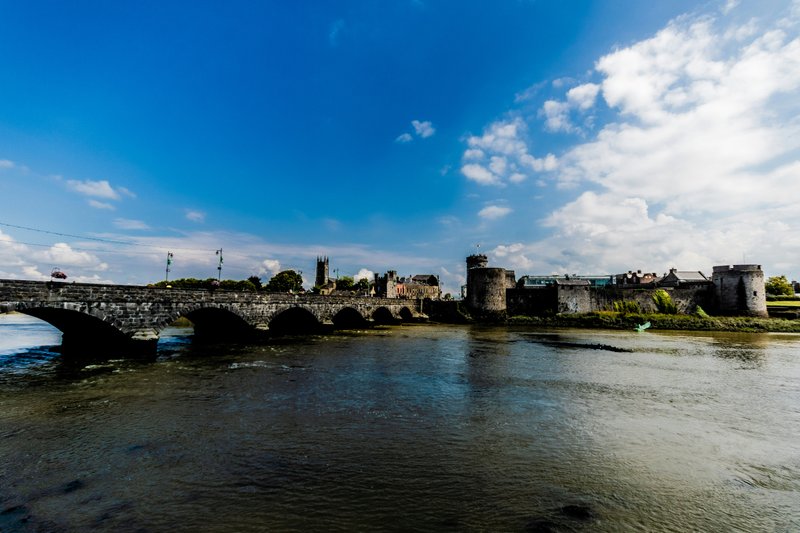
Explore IrelandIreland's third city commands attention from its position on the River Shannon, where medieval lanes give way to Georgian streetscapes and a cultural scene that punches well above its weight. King John's Castle anchors the historic English Town district, while across Thomond Bridge, the narrow streets of the Irish Town reveal craft studios and independent galleries. The Georgian Quarter along O'Connell Street and the Crescent maintains its 18th-century elegance, now home to design-forward accommodations and serious restaurants drawing on Munster's agricultural bounty.
The dining scene reflects a city confident in its identity — chefs here work closely with producers from the Golden Vale, County Clare's Atlantic coastline, and the rich dairy farms of the surrounding countryside. Along Nicholas Street and in the lanes near the Hunt Museum, you'll find menus that treat Irish ingredients with technique learned in London, Copenhagen, and beyond. The bar culture runs deep, from Victorian snugs serving local whiskey to contemporary cocktail rooms in restored merchant buildings. This is Ireland's Treaty City — compact enough to explore on foot, substantial enough to reward extended stays.