The ancestral seat of the O'Brien clan since the tenth century, Dromoland Castle rises in Gothic grandeur across 500 acres of County Clare parkland. Stone archways lead to vast rooms appointed with hand-carved oak and velvet, while the estate unfolds into a championship golf course, lakeside spa featuring Oskia and Dr. Barbara Sturm treatments, and the Earl of Thomond Restaurant, where a resident harpist accompanies Executive Chef David McCann's seasonal Irish menus.
Where to Stay
This 18th-century manor overlooking Galway Bay and the Burren's limestone expanse has welcomed guests since the 1940s, its drawing rooms and libraries preserving an unhurried country house atmosphere. The restaurant showcases organic Burren beef and Atlantic seafood, while TV-free rooms with nature-inspired décor encourage genuine disconnection. Families find dedicated menus and warm welcome; dogs, too, are received with enthusiasm.
Where to Eat
A 200-year-old cottage perched near the Atlantic, Homestead Cottage earned its Michelin star through restrained precision rather than culinary theater. The kitchen showcases Burren Shorthorn beef and wild John Dory in clean, modern preparations stripped of unnecessary flourish. Stone floors and rustic wooden tables set an intimate tone, while the terrace offers front-row seats to spectacular sunsets over the ocean.
The Burren's stark limestone landscape finds its culinary counterpoint at Gregans Castle, where a kitchen garden supplies vegetables and herbs to a menu celebrating County Clare's exceptional lamb. The dining room, warmed by open fires and framed by panoramic views of the karst terrain, delivers refined plates that honor local produce with precision. A charming bar awaits for post-dinner whiskey.
The Burren's limestone landscape yields to dramatic coastal panoramas at this modern dining room, where views stretch toward the Cliffs of Moher. The kitchen holds a Michelin Plate for its confident handling of local produce, occasionally pushing into unexpected territory—mango paired with salmon among the more adventurous combinations. Simply appointed bedrooms allow guests to extend the evening into an overnight stay.
Three generations of the Vaughan family have turned this Liscannor pub into a coastal institution, its walls lined with nautical memorabilia and a striking fish tank setting the maritime tone. The kitchen draws from Atlantic waters for seafood preparations that range from satisfying lunchtime plates to more refined evening compositions built on classical techniques. Bright, contemporary bedrooms feature photographs of the surrounding Clare landscape.
Frequently Asked Questions
When is the best season to visit County Clare for seafood?
+
Native oyster season runs from September through April, following the traditional 'R months' rule. Summer brings exceptional crab and lobster from local boats, while spring sees the return of wild Atlantic salmon. Most coastal restaurants adjust menus seasonally based on daily landings from Liscannor and Doolin harbours.
Which areas of County Clare offer the most refined accommodation?
+
The stretch between Ballyvaughan and Lisdoonvarna includes several restored country houses with Burren views. Near Ennis, converted estate properties offer more traditional Irish country house hospitality. Coastal options cluster around Spanish Point and Lahinch, balancing Atlantic panoramas with proximity to golf links.
What distinguishes Clare's food scene from other Irish counties?
+
Clare benefits from an unusually diverse terroir: Atlantic coastline for seafood, the Burren's unique microclimate supporting Mediterranean plants and rare herbs, and rich dairy pastures inland. This geography produces everything from aged farmhouse cheeses to wild samphire, giving chefs a distinctive local larder unavailable elsewhere in Ireland.
Nearby Destinations
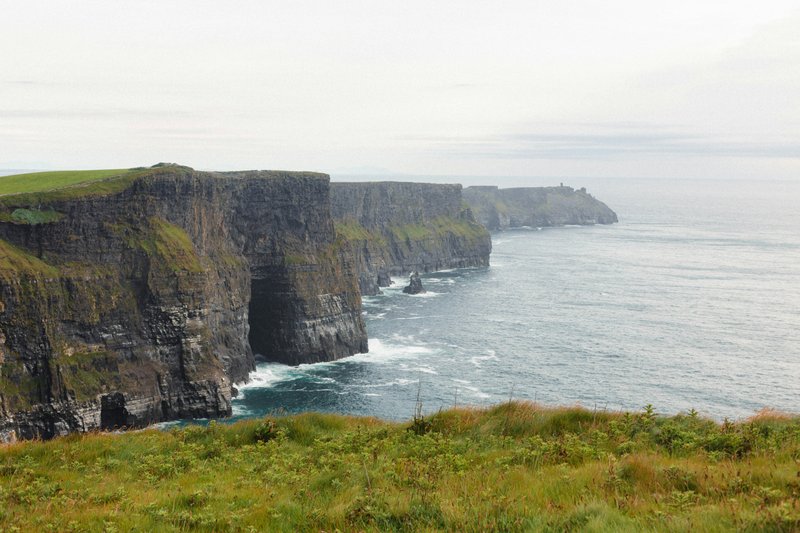
Explore IrelandCounty Clare occupies Ireland's western edge where the Atlantic has spent millennia carving the Cliffs of Moher and the lunar karst of the Burren. The county's accommodation scene splits between converted Georgian manor houses in the agricultural heartland around Ennis and contemporary coastal properties overlooking the Wild Atlantic Way. Lahinch draws surf culture; Ballyvaughan anchors a quieter Burren base. Expect turf fires, local oysters from Flaggy Shore, and a hospitality culture shaped by centuries of music sessions in village pubs.
The dining landscape reflects Clare's dual identity. Along the coast, restaurants source directly from Liscannor Bay fishermen — crab, lobster, and the celebrated native oysters that Clarinbridge has made famous across the border in Galway. Inland, farm-to-table cooking dominates, with menus tracking seasonal game, grass-fed beef, and foraged ingredients from the Burren's biodiverse limestone pavements. Ennis, the county town, concentrates the most varied restaurant scene, though smaller villages like Doolin and Ballyvaughan punch above their weight, particularly for seafood and traditional Irish cooking.