Sixty-one minimalist-luxe suites rise above mint-blue geothermal waters, their floor-to-ceiling windows framing Iceland's moss-crusted lava fields. A private lagoon reserved for guests bypasses the public crowds, while the spa draws on volcanic hot springs, steam rooms, and sauna rituals. The Michelin-starred Moss Restaurant delivers artful Nordic cooking; a wine cellar rounds out evenings for travelers seeking immersive geological drama.
Where to Stay
Guests at Silica Hotel bypass the crowds entirely, slipping into a private geothermal lagoon reserved for hotel residents—a quieter counterpart to the famous Blue Lagoon next door. Rooms follow strict Scandinavian minimalism: clean lines, muted tones, floor-to-ceiling windows framing volcanic landscapes. Families find genuine welcome here, with children's robes and floating toys provided. The Reykjanes Peninsula's raw terrain lies minutes away.
A rooftop hot pool overlooking Keflavík harbor sets the tone at Hotel Berg, where chic Scandinavian interiors create an intimate retreat minutes from the international airport. The property works equally well for overnight layovers or as a launching point into Iceland's quieter southwestern reaches. Junior suites accommodate families with sofa beds for two children, making this a practical yet stylish choice.
Three miles from Keflavik International Airport, this practical base on Hafnargata delivers smart, comfortable rooms and an on-site restaurant and bar for arrivals seeking immediate sustenance. The Om spa provides welcome decompression after long-haul flights, while two dedicated family rooms and triple configurations—with extra beds available for children of all ages—make it particularly suited to traveling families navigating Iceland's gateway.
Where to Eat
The drive alone sets the tone: black lava fields stretch endlessly, barren save for patches of moss clinging to volcanic rock. Within the Retreat hotel at the Blue Lagoon, one Michelin star rewards a kitchen that channels Iceland's stark terroir into precise, visually arresting compositions. The tasting menu moves through native ingredients—langoustine paired with cauliflower textures, sesame, and ginger—while floor-to-ceiling windows frame the otherworldly landscape outside.
Frequently Asked Questions
How far is the Reykjanes Peninsula from Keflavík International Airport?
+
The peninsula begins immediately outside the airport. Grindavík lies roughly 20 minutes south, while the Blue Lagoon sits about 15 minutes from the terminal. This proximity makes Reykjanes ideal for arrivals seeking to settle into Iceland's landscape without the 45-minute transfer to Reykjavík.
What is the best time of year to visit the Reykjanes Peninsula?
+
September through March offers prime conditions for northern lights, particularly given the peninsula's distance from urban light pollution. June and July bring near-constant daylight for hiking the lava fields and coastal paths. Shoulder months — May and September — balance moderate weather with fewer visitors at geothermal sites.
Can you visit active geothermal areas on the Reykjanes Peninsula?
+
Several geothermal zones remain accessible, including Seltún at Krýsuvík with its boardwalk through bubbling mud pots, and Gunnuhver hot springs near Reykjanesviti lighthouse. Conditions change with volcanic activity — some areas near Grindavík have restricted access since 2023's eruptions. Current advisories should be checked before visiting.
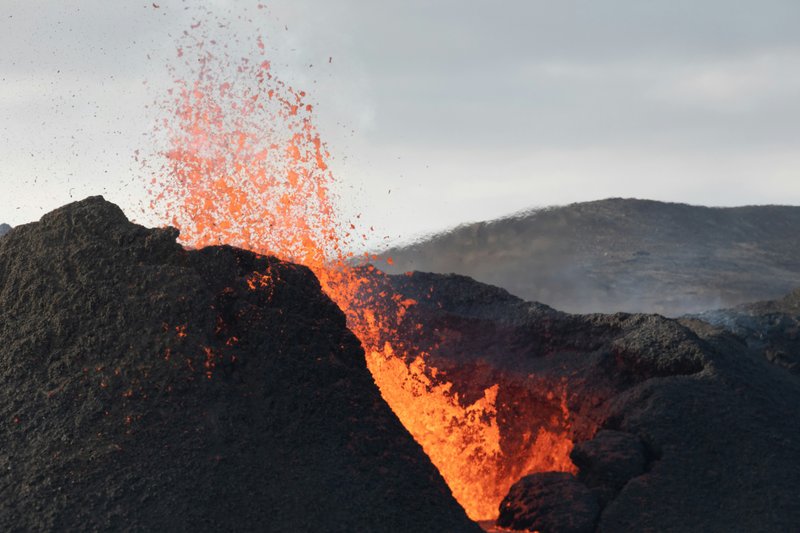
The Reykjanes Peninsula unfolds southwest of Keflavík as a stark volcanic landscape where steam rises from fissures and moss clings to centuries-old lava flows. This UNESCO Global Geopark sits at the juncture of the North American and Eurasian tectonic plates — a geological drama visible at Brúarfoss and the Bridge Between Continents. Grindavík, until recently a fishing village of painted corrugated-iron houses, anchored the peninsula's southern coast before seismic activity reshaped daily life. The terrain shifts constantly: geothermal areas like Gunnuhver and Krýsuvík bubble with mud pots and fumaroles, while the Reykjanesviti lighthouse marks Iceland's oldest light station on a windswept promontory.
Accommodation here clusters around the geothermal resources that define the region. Properties leverage natural hot springs for heating and wellness facilities, with several positioned to offer direct access to mineral-rich bathing lagoons. The dining scene remains intimate — expect Atlantic seafood, Icelandic lamb, and small-batch provisions from local producers. Winter months bring northern lights viewing from properties with minimal light pollution, while summer's endless daylight reveals hiking routes across lava tubes and crater ridges.