


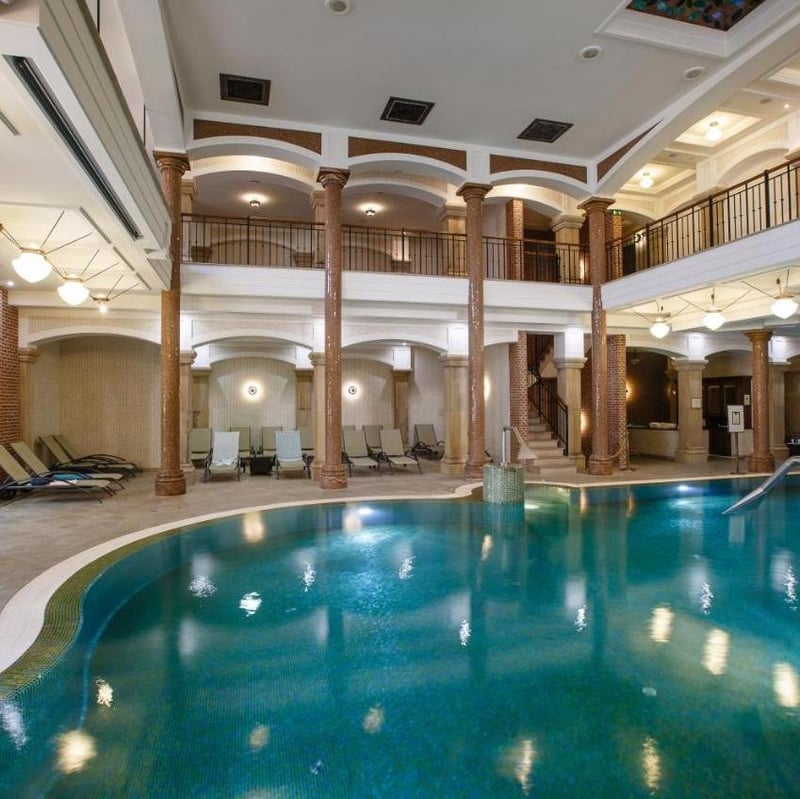
Beneath the red rooftops of Tarcal, this 53-room property pairs old-world character—natural wood detailing, a fireplace-warmed lobby—with a spa centered on thermal cave pools, Turkish bath, and jacuzzi. Guided vineyard excursions through Tokaj's wine country include castle-view picnics, while an indoor pool and pet-friendly policy suit extended stays. A refined base for oenophiles exploring Hungary's legendary wine region.
Tokaj & Northern Hungary Travel Guide: Best Hotels, Restaurants & Experiences 
Explore Tokaj
Hotels (2)
Restaurants (5)
Where to Stay

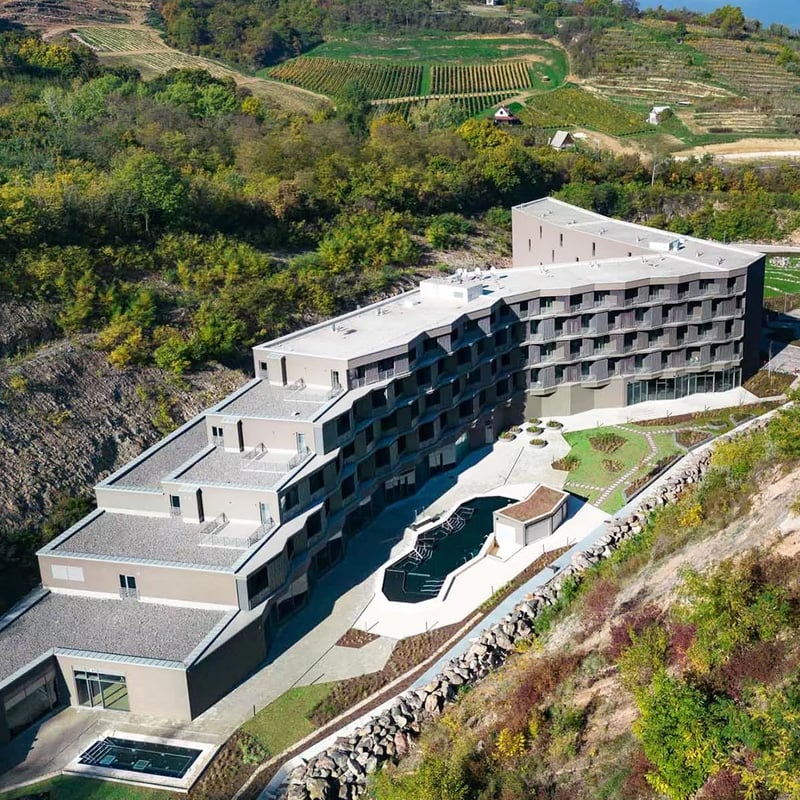
Perched in the volcanic foothills of the Carpathians, this adults-only retreat positions guests at the threshold of UNESCO-listed Tokaj wine country. Every room opens onto balconies surveying the terraced vineyards below. The interiors take an unexpected turn—Maya-inspired design elements creating a curious dialogue between ancient gold and Hungarian white wine. A spa with sauna and jacuzzi, plus indoor and seasonal outdoor pools, rounds out the offering.

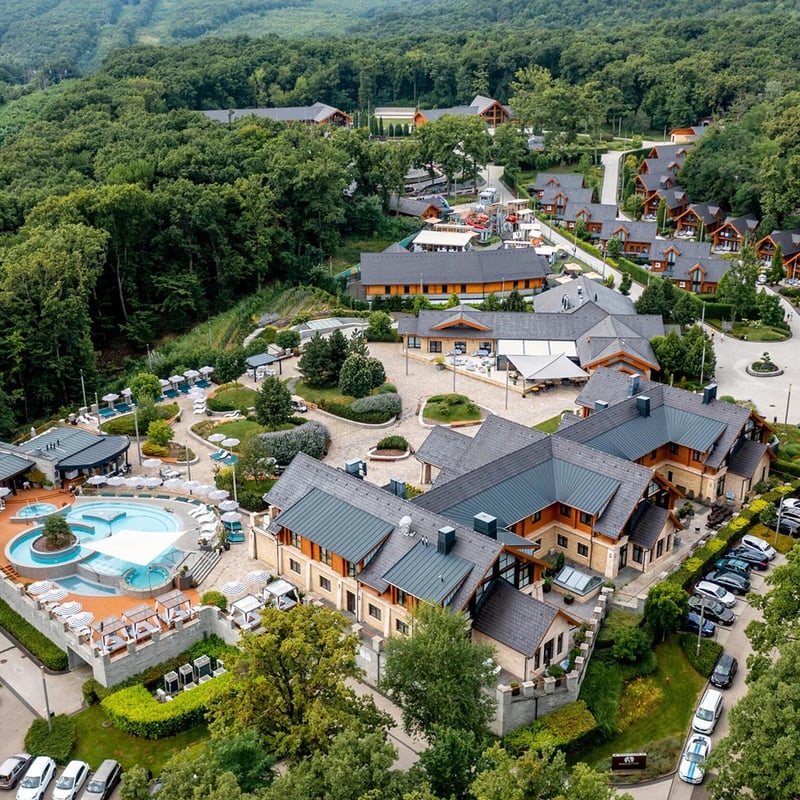
The Bükk mountains supply the drama here—forested slopes visible from Finnish log cabins, trails leading to caves and ski runs just beyond the property. Avalon leans into its family-friendly identity with a go-kart track alongside the expected resort trappings: indoor and outdoor pools, a spa featuring hammam and jacuzzi, plus pet-welcoming policies. Under two hours from Budapest, it suits active travelers seeking nature without sacrificing comfort.
Where to Eat

Michelin Selected· Green Star ●
A restored art nouveau mansion amid 25 acres of productive land, Graefl Major Kétútköz practices radical self-sufficiency. The kitchen works exclusively with what the estate yields: seasonal vegetables, orchard fruit, game from surrounding grounds, house-cured charcuterie, bread from their own wheat, and artisan beer brewed on-site. This Michelin Green Star table rewards travelers seeking authentic farm-to-fork dining in profound rural tranquility.

Michelin Selected
Perched on a hillside amid Tokaj's celebrated vineyards, Padi opens with Sauska wines in a sleek bar before guests proceed to a refined dining room with sweeping terrace views over the vines. The kitchen offers polished à la carte dishes alongside two tasting menus—one devoted entirely to Tokaj's terroir, paired with estate wines. A tour of the winery below completes the immersion.

Bib Gourmand
A Bib Gourmand holder in the village of Encs, Anyukám Mondta operates as an accomplished neighbourhood table with broader ambitions. The kitchen turns out refined modern Italian plates and wood-fired pizzas, with daily specials that occasionally drift toward Middle Eastern accents. The focaccia, blistered in the same oven, deserves particular attention. Service runs with personality and precise timing, while the flexible pricing suits everything from casual lunches to longer evening meals.

Michelin Selected
A winding mountain road through the Bükk range delivers diners to this contemporary restaurant within the Avalon Resort. The open kitchen puts on a show for those seated at the stylish bar, while the conservatory offers a quieter retreat. Wagyu seared on the Josper grill anchors a menu that spans wood-fired pizzas to fresh pastas, backed by a well-curated Hungarian wine selection.

Michelin Selected
A modern wood-and-glass structure houses this brother-run restaurant where stepped terraces descend toward the river, offering one of Tokaj's most serene dining settings. The kitchen champions local ingredients—Mangalitsa pork, Lillafüred trout prepared 'kárpáti' style with a delicate fish bone sauce—while the wine list naturally gravitates toward the surrounding vineyards. Contemporary Hungarian cooking served with genuine warmth.

Michelin Selected
Beneath the vaulted cellars of a 200-year-old manor once belonging to the Andrássy family, Talu's kitchen revisits traditional Hungarian and regional family recipes with a modern sensibility. Mangalitsa pork anchors many dishes, while an extensive Tokaj wine list—numerous bottles poured by the glass—rewards exploration. In summer, dining shifts to the terrace, though the atmospheric stone arches remain the more memorable setting.

Michelin Selected
Though located in Miskolc's suburbs, Végállomás draws devoted diners from across northern Hungary for its seasonal Italian cooking. The split-level dining room maintains a relaxed, traditional atmosphere, while the terrace—complete with its own wooden bar—offers warm-weather appeal. An ever-changing menu keeps regulars returning, with the Bird's milk and orange egg white foam dessert earning particular devotion.

Michelin Selected
A short walk from the River Tisza, this unpretentious lodge-style restaurant centers its cooking around a wood-fired oven that imparts smoky depth to an eclectic menu spanning Hungarian classics, pizzas, burgers, and street food. Twin terraces—front and rear—offer riverside dining in warmer months. The approach is refreshingly direct: fresh ingredients, careful execution, and generous hospitality without ceremony.
Frequently Asked Questions
When is the best time to visit the Tokaj wine region?
+
Late September through October coincides with the grape harvest, when cellars buzz with activity and the vineyards turn gold. Spring brings wildflower blooms across the hills and fewer visitors, while winter offers intimate cellar tastings and regional festivals celebrating new wine releases.
What makes Tokaj aszú wine different from other dessert wines?
+
Aszú wines derive their character from botrytis-affected grapes hand-picked berry by berry, then mashed into a paste and added to base wine. The volcanic soils, specific microclimate at the river confluence, and centuries-old cellar systems with their unique mold-covered walls create fermentation conditions impossible to replicate elsewhere.
Can you visit historic wine cellars in the region?
+
Many cellars dating to the 15th and 16th centuries welcome visitors for tours and tastings. The labyrinthine passages in Mád and the royal cellars of Tokaj feature kilometers of tunnels carved into volcanic rock, their walls coated in the black cladosporium mold that thrives on wine vapors and contributes to the aging environment.
Nearby Destinations
Explore Hungary



Tokaj
The Tokaj wine region sprawls across volcanic hills where the Bodrog and Tisza rivers converge, creating the misty microclimate responsible for the noble rot that defines aszú wines. This UNESCO-listed landscape of terraced vineyards and 600-year-old cellars carved into rhyolite tuff has attracted winemakers since the Middle Ages. The town of Tokaj itself remains compact—a single main street lined with historic houses and wine merchants—while surrounding villages like Mád, Tarcal, and Erdőbénye offer deeper immersion into producer culture.
Northern Hungary extends beyond the vineyards into the Bükk and Zemplén mountains, where dense oak forests shelter medieval castle ruins and thermal springs emerge from the limestone. Eger, the region's cultural capital, centers on a baroque town square overlooked by an Ottoman-era minaret and the fortress that famously repelled siege in 1552. The Valley of the Beautiful Woman on the town's outskirts concentrates dozens of wine cellars beneath a single hillside. Local cuisine leans hearty: game dishes, smoked meats, and stews enriched with paprika, best paired with the region's distinctive dry furmint or fiery Egri Bikavér.