A 1920s waterfront mansion that once housed a brewery now delivers sixty rooms behind wrought-iron balconies and yellow shutters. Curving marble staircases lead to sea-facing accommodations with pale parquet and dark wood, while a vertical garden fills the courtyard below. The ground-floor Olympos Naoussa restaurant dates to 1927, and a panoramic rooftop bar crowns the building with indoor-outdoor seating above the Aegean.
Commanding prime position on Aristotelous Square, Electra Palace has become an architectural icon of Thessaloniki's waterfront, its neoclassical façade a fixture of the city's identity. The hotel earns particular praise for its dining, while families benefit from thoughtful provisions including complimentary cots and interconnecting rooms. A property that evolves with the times yet honors its landmark status.
A swaggering mix of styles brings unexpected Vegas-inflected glamour to Thessaloniki's waterfront, yet the Mediterranean Palace pulls it off with panache. The dining operation scores particularly high marks, while families find practical appeal in four interconnecting rooms and holiday activity programs for children. An eclectic choice that delivers comfort with theatrical flair.
The name itself tells the story: a fusion of monastery and the Greek word for city, suggesting urban energy tempered by contemplative calm. Rooms dressed in soft cream and peach tones maintain this meditative quality, while a rooftop pool delivers panoramic respite above Thessaloniki's bustle. Gardens and pet-friendly policies make it particularly suited to travelers seeking a serene base steps from Vasileos Irakleiou's shops and restaurants.
Thessaloniki's creative quarter provides the backdrop for this 45-room boutique property, where sleek interiors showcase fine art photography from local artists. The aesthetic is cosmopolitan yet distinctly Greek, stripped of tourist kitsch in favor of authentic urban character. Moldee, the all-day restaurant, moves from traditional Greek breakfast through Mediterranean-inflected dinners, while Nikis Avenue and the waterfront lie steps away.
A near-monochrome palette and mid-century modernist lines define this 45-room boutique property in Thessaloniki's historic quarter. The wellness center delivers with spa, sauna, and jacuzzi, while select suites feature soaring atrium ceilings and freestanding tubs. Anza Kitchen & Bar draws locals alongside guests for refined Mediterranean plates and Greek wines—breakfast served all day suits those who keep unconventional hours.
Frequently Asked Questions
Which Thessaloniki neighborhoods are best for hotel stays?
+
The city center around Aristotelous Square offers proximity to museums, cafés, and the waterfront. Ladadika provides a livelier atmosphere with converted historic buildings. For quieter surroundings with sea views, Kalamaria to the east suits those with transport, while Ano Poli appeals to visitors seeking Ottoman-era character and panoramic vistas over the gulf.
When is the best time to visit Thessaloniki?
+
Late spring (May-June) and early autumn (September-October) bring mild temperatures ideal for exploring on foot. Summer can be humid, though sea breezes along the Paralia provide relief. Winter sees fewer tourists and a robust cultural calendar, including the Dimitria Festival in October and the documentary film festival in March.
How does Thessaloniki compare to Athens for a Greek city break?
+
Thessaloniki operates at a different rhythm — more compact, less frenetic, with a university-town energy that keeps its café culture animated year-round. The food scene draws heavily on Pontic, Anatolian, and Sephardic influences distinct from Athenian cooking. The city rewards slower exploration: fewer monumental sights, but richer street-level texture and easier access to beaches along the Halkidiki peninsula.
Nearby Destinations
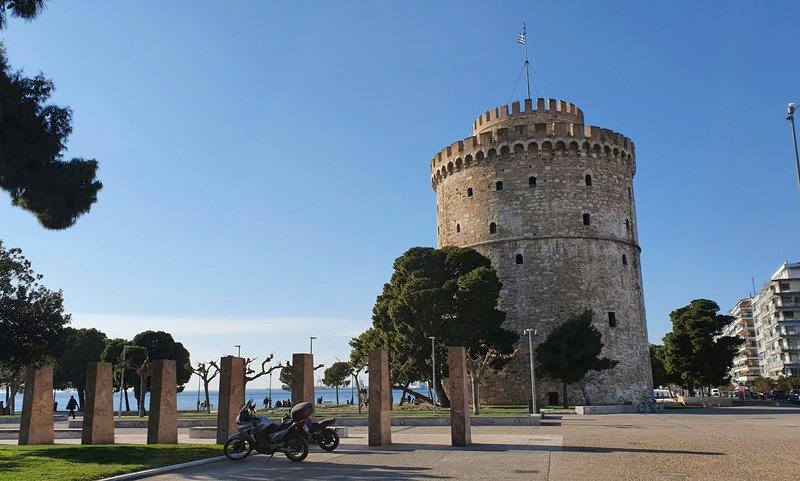
Explore GreeceGreece's second city sprawls along its waterfront promenade, the Paralia, where locals gather at dusk beneath the White Tower. The Ladadika district, once the city's olive oil trading quarter, now houses converted warehouses and neoclassical buildings repurposed as intimate hotels. Further east, the upscale Kalamaria neighborhood offers quieter residential streets and unobstructed views across the gulf toward Mount Olympus.
Thessaloniki's Byzantine churches — fifteen of them UNESCO-listed — punctuate a city built in layers: Roman forums beneath Ottoman hammams, Art Deco apartment blocks alongside brutalist university buildings. The Ano Poli upper town retains its wooden Ottoman houses and winding lanes, while the central Aristotelous Square axis channels Beaux-Arts grandeur. Hotels here range from restored 1920s grande dames to minimalist concrete newcomers, many within walking distance of the Modiano and Kapani markets where spice merchants and fishmongers have traded for generations.