Abandoned in the 1950s, this 18th-century hamlet surrounding an ancient olive mill has been reborn as a 25-room retreat amid Crete's largest olive grove. Original stone archways and wood-beamed ceilings anchor the restored buildings, while the Elaia restaurant presents farm-to-table cuisine from an open-air kitchen. An olive oil museum, orchard walks, and flower-framed pool complete the pastoral immersion—ideal for families seeking agrarian tranquility.
Bohemian-chic design meets Cretan sun at this adults-only retreat near Rethymno. Grecian pottery, trailing greenery, and earthy textures blur boundaries between interior spaces and the multiple pools enclosed by high walls. A compact spa offers sauna and yoga sessions, while the rooftop terrace bar provides sunset views just minutes from the beach. The aesthetic leans festival-inspired and Instagram-ready—ideal for style-conscious couples seeking social energy over seclusion.
On the quiet outskirts of Rethymnon, this boutique retreat cultivates an atmosphere of deliberate seclusion. Suites scatter through mature gardens that slope toward a sandy shore, while a lagoon-style pool anchors the landscape. The fine-dining restaurant earns particular praise, and families find genuine welcome here—a kids' club for ages four and up, plus complimentary stays for children under twelve.
White cubic architecture frames views over mature Mediterranean gardens and an expansive pool at this Rethymno beachfront resort. One of Crete's largest spas anchors the wellness offering, while the rooftop Skybar pours herb-infused cocktails as the sun drops. Families find strong infrastructure here—dedicated children's clubs, all-day snack service, and a seemingly endless stretch of sand keep younger guests occupied while parents unwind.
A short bus ride from Rethymno's atmospheric Old Town, this intimate boutique property delivers practical comforts for traveling families. The tree-shaded garden surrounds a generous swimming pool, while a small sandy beach lies directly across the road. Two dedicated family apartments accommodate larger groups, and children gain complimentary access to the Grecoland Kids' programme at the neighboring Grecotel Plaza Beach House.
A sprawling white resort stretched along Crete's northern coast, White Palace anchors its days around a generous seawater pool and a ribbon of golden sand. The bohemian-styled spa offers respite while multiple restaurants keep the premium all-inclusive format refreshingly refined—no wristbands required. Families benefit from a dedicated children's pool and kids' club, with Rethymnon's museums and tavernas a short drive away.
Frequently Asked Questions
What neighborhoods should I consider when choosing where to stay in Rethymno?
+
The old town offers the most atmospheric setting, with restored historic buildings and walkable access to restaurants and the Venetian harbor. The beachfront strip east of the center suits those prioritizing sea access and resort amenities, while the area around the Fortezza provides elevated views and quieter evenings away from the waterfront bustle.
When is the best time to visit Rethymno?
+
May through June and September through October offer warm weather without peak-season crowds. The Renaissance Festival in late summer brings theatrical performances to the Fortezza, while the carnival season in February features one of Greece's most vibrant pre-Lenten celebrations, with parades and street parties throughout the old town.
How does Rethymno differ from other Cretan destinations?
+
Rethymno maintains a stronger year-round local presence than resort-focused areas like Elounda or Agios Nikolaos. The university brings a younger population and keeps cafés busy outside tourist season. The old town's density of Venetian and Ottoman architecture rivals Chania's, but the pace feels distinctly slower, with fewer cruise ship day-trippers and more evening promenades along the harbor.
Nearby Destinations
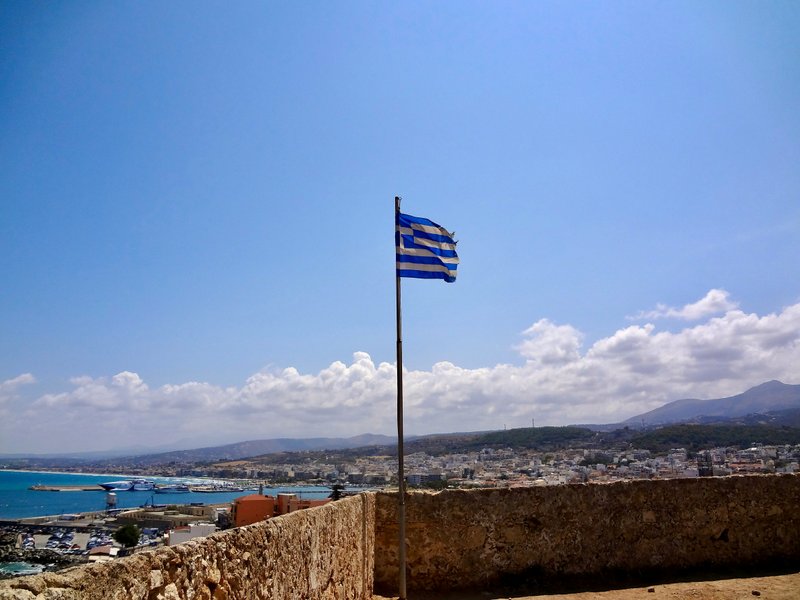
Explore GreeceRethymno occupies a peculiar position on Crete's northern coast — close enough to Heraklion and Chania to draw visitors, yet sufficiently off the main circuit to retain its unhurried rhythm. The Venetian harbor, with its 16th-century lighthouse and vaulted arsenali, sets the architectural tone. Behind the waterfront, the old town unfolds in a maze of narrow streets where Ottoman-era wooden balconies overhang Venetian doorways, and bougainvillea spills from crumbling stone walls. The Fortezza, the massive star-shaped fortress crowning Paleokastro hill, watches over it all.
The hotel scene here tends toward the intimate. Restored Venetian mansions in the old quarter have been converted into small properties where breakfast is served in centuries-old courtyards. Along the long sandy beach stretching east toward Skaleta, larger resort properties face the sea, many built into the hillsides above Platanias and Adelianos Kampos. Dining leans traditional — grilled lamb, dakos salads, local graviera cheese — though a handful of newer establishments are exploring Cretan ingredients with contemporary technique. The harbor tavernas fill nightly with locals and visitors alike, their tables spilling onto the quayside as the fishing boats rock gently at anchor.