


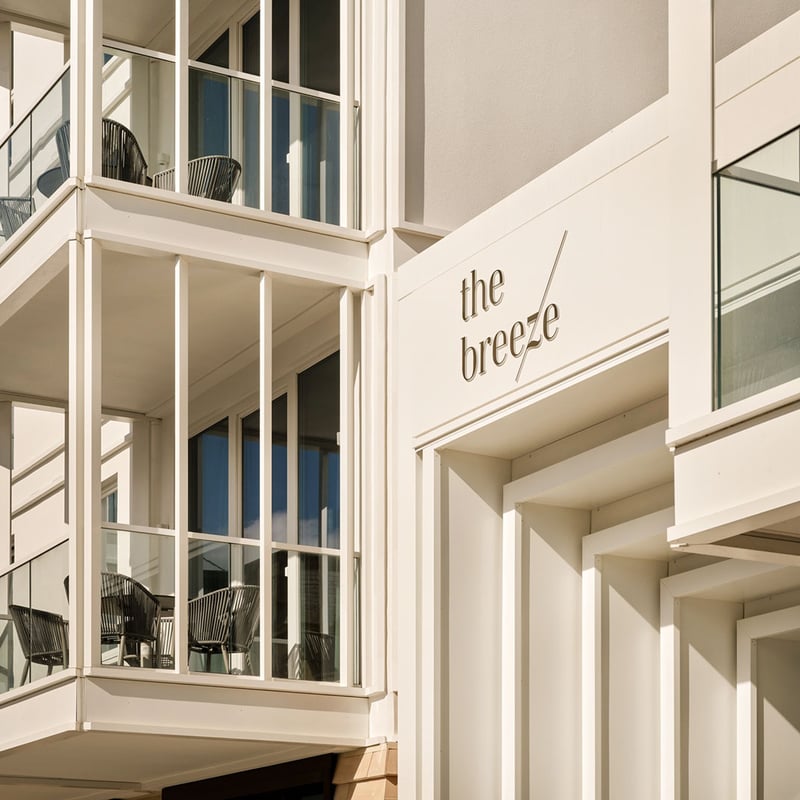
Modernist architecture frames Baltic views at this all-apartment property in Ahlbeck, the final German resort before Poland. Studios through three-bedroom units suit couples and families alike, each with full residential amenities. The spa complex includes an indoor pool, sauna, and steam facilities, while Braca restaurant delivers a Nordic-Mediterranean menu. Complimentary bikes encourage exploration of the historic beachfront promenade.
Usedom Travel Guide: Best Hotels, Restaurants & Experiences 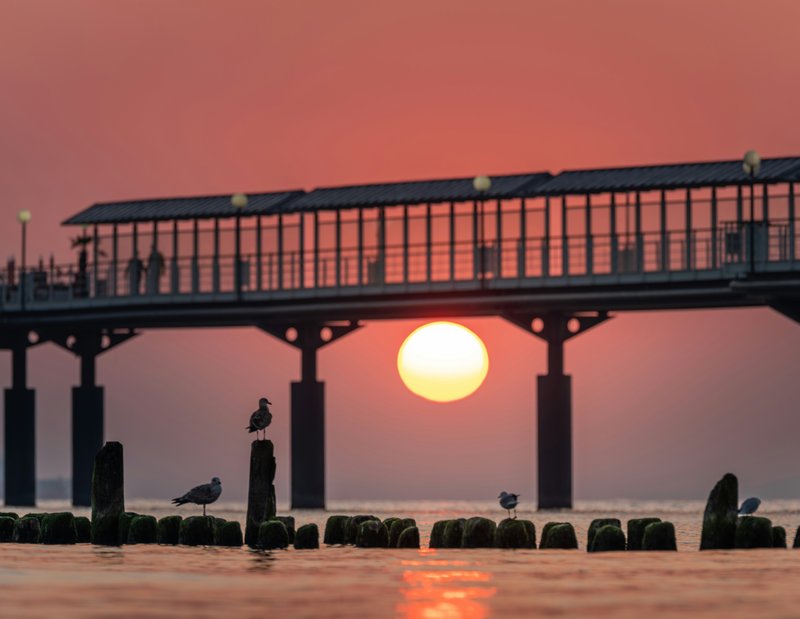
Explore Usedom
Restaurants (3)
Where to Stay

This 224-room Baltic grande dame delivers on its name with high-ceilinged rooms that feel luxurious yet lived-in. The spa sprawls across multiple levels with saunas, beauty treatments, and both indoor and outdoor pools. Families find genuine welcome here—a dedicated kids' club and babysitting on request. Three restaurants cover all moods: the residents-only Lilienthal, Thai-influenced Seaside, and the terrace-fronted Waterfront bistro. The beach lies steps away.
Where to Eat

★ Michelin
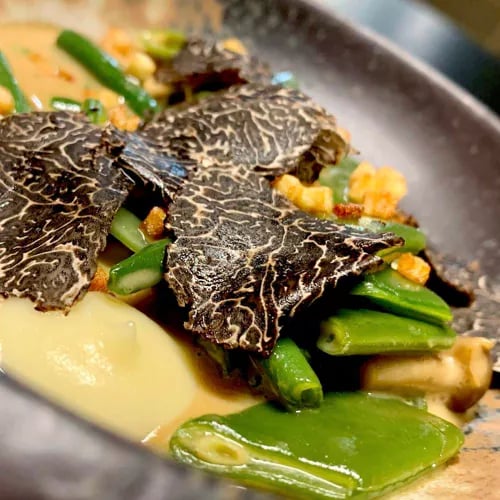
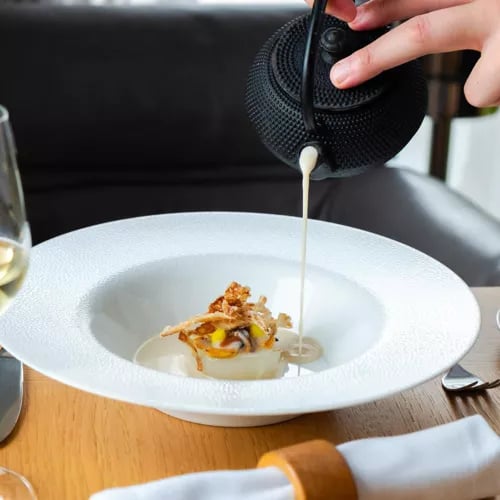
Tom Wickboldt's one-starred table channels an unexpectedly relaxed energy—1970s rock drifts through a cosy modern dining room where seven precisely structured courses unfold. The kitchen demonstrates restraint and clarity: salmon trout arrives tenderly confit, Imperial pigeon breast cooked to rosy perfection. Each dish reflects careful sourcing and coherent composition, rewarding diners who appreciate confident, unshowy gastronomy on Germany's Baltic coast.

★ Michelin
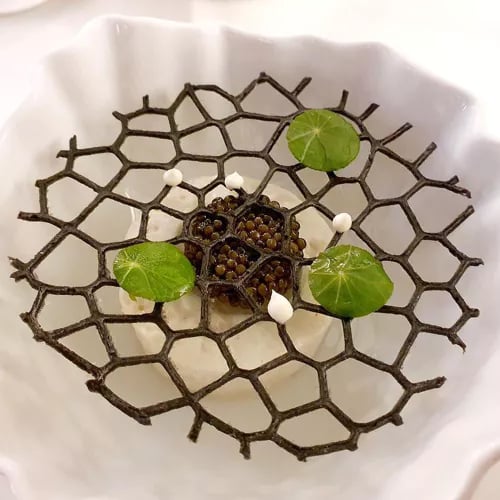
Chef André Kähler's one-starred table occupies an unexpected setting within the Marc O'Polo Strandcasino store, yet the cooking is anything but casual. His six-course menu delivers boldly creative, intensely flavored dishes, each accompanied by a card revealing its inspiration. The relaxed service and stylish interiors suit travelers seeking gastronomic substance without stiff formality, while an adjoining delicatessen allows diners to take featured wines home.

Michelin Selected
Perched on the fourth floor of the A-ROSA Strandidyll Heringsdorf, Belvedere's glass-domed dining room frames sweeping Baltic Sea views that shift with the light. The kitchen builds classic foundations from regional produce, allowing guests to compose their own tasting menu—a format that rewards curiosity. Before sitting down, the terrace makes a compelling case for a leisurely aperitif.

Michelin Selected
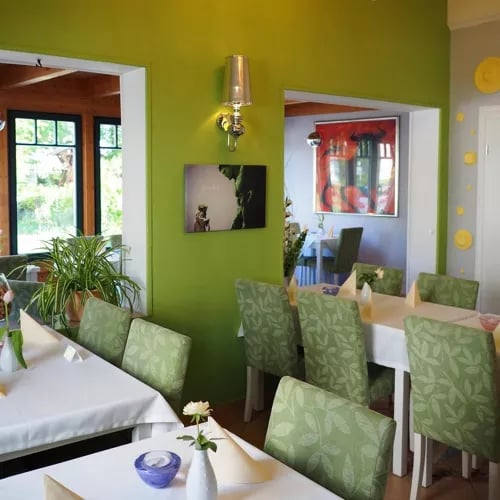
Adjacent to Ahlbeck's main church, this husband-and-wife operation delivers regional cooking with quiet confidence—she orchestrates the dining room with easy warmth, he commands the kitchen. The menu leans toward local tradition, though the popular Lieblingsmenü showcases broader modern touches. A Michelin Plate holder, Kaisers Eck suits travelers seeking unpretentious yet accomplished cooking on Usedom's Baltic shore.

Michelin Selected
Chef André Kähler operates two distinct culinary concepts within the Marc O'Polo Strandcasino, and O'NE delivers the more relaxed counterpart to his fine dining venue. Regional ingredients receive creative, modern treatment in a buzzing retail-meets-restaurant setting, where raised gallery seating offers views into the open kitchen below. Steps from the Baltic promenade, the summer terrace captures the seaside energy of Usedom's elegant resort district.
Frequently Asked Questions
What is the best way to travel between the Kaiserbäder on Usedom?
+
The Usedomer Bäderbahn railway connects the three imperial spa towns along the coast, with additional stops at smaller villages. Cycling remains the most popular option among visitors — dedicated paths run the full length of the promenade and extend into the Achterland interior. The flat terrain makes distances manageable even for casual riders.
When does beach season typically run on Usedom?
+
The main season extends from May through September, with July and August drawing the largest crowds from Berlin and northern Germany. Water temperatures peak around 18-20°C in late summer. Shoulder months offer quieter beaches and lower accommodation rates, though some seasonal restaurants close after October.
Can visitors easily cross into Poland from Usedom?
+
The border crossing into Świnoujście is straightforward — pedestrians and cyclists simply continue along the promenade, while a regular ferry connects the German and Polish sides of the divided town. Many visitors cross for the Polish markets, different dining options, and notably lower prices on certain goods and services.
Nearby Destinations
Explore Germany



Usedom
Germany's second-largest island stretches forty kilometers along the Polish border, its northern coastline defined by white sand beaches that earned it the nickname "Bathtub of Berlin" during the Wilhelmine era. The three historic Kaiserbäder — Ahlbeck, Heringsdorf, and Bansin — preserve their nineteenth-century Bäderarchitektur: ornate wooden piers, white-painted villas with carved balconies, and promenades lined with beach chairs in the distinctive hooded Strandkorb style that Germans have used since 1882.
The island's culinary identity draws from both Baltic fishing traditions and the refined tastes of its spa-town heritage. Smoked fish from local Räuchereien competes with white-tablecloth dining rooms serving regional interpretations of seasonal produce. Beyond the resort centers, the Achterland — the island's quieter interior — offers cycling routes through forests and wetlands, while the eastern villages near the Polish town of Świnoujście maintain a cross-border character with markets and restaurants spanning both nations.