


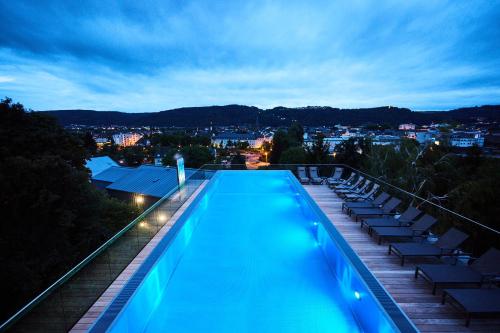
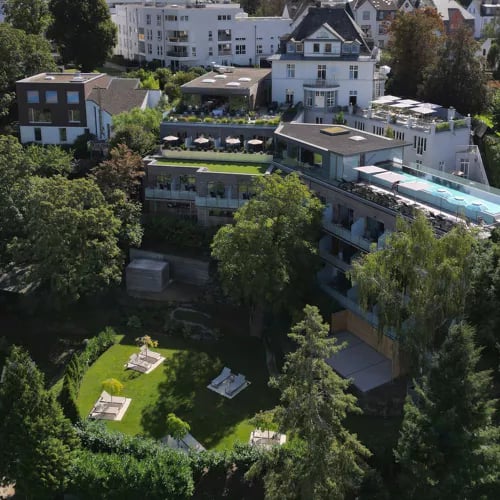
Built in 1914, this elegant white villa operates as an adults-only retreat, ensuring undisturbed tranquility throughout its 49 rooms. The spa facilities prove comprehensive—sauna, jacuzzi, and Turkish bath—while both indoor and outdoor swimming pools offer year-round options. Complimentary bicycles allow guests to explore Trier's Roman monuments at leisure, returning to refined surroundings where period architecture meets contemporary comfort.
Trier Travel Guide: Best Hotels, Restaurants & Experiences 
Explore Trier
Restaurants (3)
Where to Stay
Where to Eat

★ Michelin
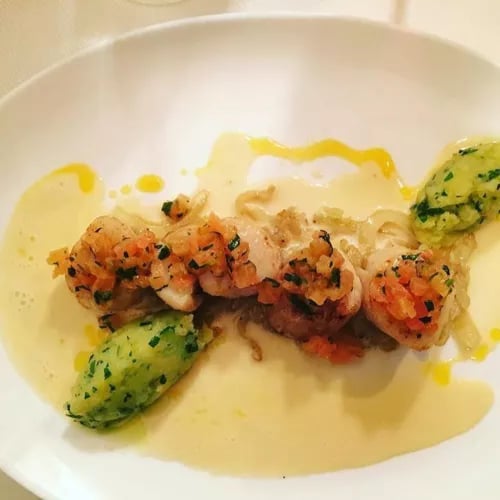
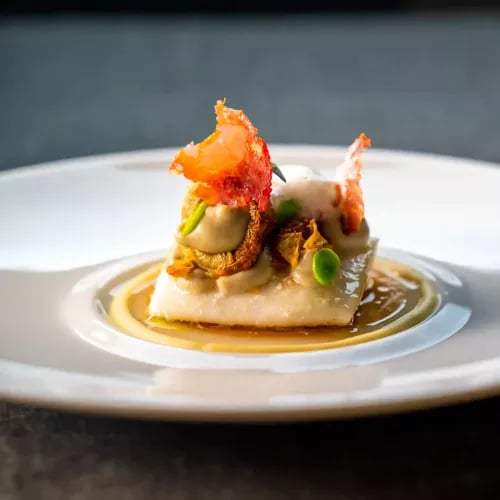
Gerald Schöberl honed his craft under Christian Bau before taking the helm at this Michelin-starred address along the Moselle. His kitchen navigates between French classicism and Japanese precision, yielding dishes of striking depth—regional produce sharing the plate with pristine lobster and marine fish. The sheltered riverside terrace and polished service complete an experience suited to unhurried, celebratory dining.

Michelin Selected
Wolfgang Becker brings dual expertise to his eponymous dining room—trained first as a winemaker, he tends the family vineyard now in its fifth generation alongside wife Christine, then applies equal precision to a modern four- to six-course menu built on carefully sourced ingredients. The setting mirrors this refined sensibility: leather shell chairs, hardwood floors, and grey panelling create a minimalist backdrop within an architecturally striking design hotel.

Michelin Selected
Chef Hubert Scheid has built a regional culinary institution within an eighteenth-century summer residence, its high-ceilinged dining rooms retaining aristocratic grandeur. The kitchen delivers refined yet unfussy modern cuisine, each plate constructed from impeccable ingredients without unnecessary flourish. A terrace overlooks the Moselle and surrounding greenery, while the wine list rewards exploration with notable estates from across Europe's finest regions.

Michelin Selected
A historic building along Olewiger Straße houses this Michelin-recognized address, where pale woodwork gives way to a vaulted brick cellar dining room. The creative kitchen offers three- and four-course set menus alongside à la carte selections, with a popular business lunch drawing the midday crowd. A pretty terrace extends the experience outdoors when weather permits.

Michelin Selected
Housed in a sleek modern extension of the 1914 Villa Hügel, Gastraum pairs architectural elegance with sweeping views of Trier through floor-to-ceiling windows. The kitchen delivers fresh, contemporary interpretations of classic cuisine, with regional wines complementing each plate. A sought-after terrace extends the dining room into open air, while attentive young staff maintain a polished yet approachable atmosphere throughout.
Frequently Asked Questions
Which neighbourhood in Trier is best for walking to Roman sites?
+
The Altstadt between the Porta Nigra and the Kaiserthermen puts you within a ten-minute walk of every major Roman monument, including the Barbara Baths and the Amphitheatre on the eastern edge.
What local dishes should visitors try in Trier?
+
Look for Dibbelabbes, a hearty potato-bacon gratin baked in cast iron, and Moselle eel when in season. The regional Viez — a tart apple cider — pairs well with both and appears on most traditional menus.
Are the Moselle wine villages accessible from the city centre?
+
Villages like Olewig sit just three kilometres from the Hauptmarkt, reachable by local bus or a pleasant walk through vineyard paths. Many estates offer direct cellar-door tastings without appointment.
Nearby Destinations
Explore Germany


Trier
Germany's oldest city wears its two millennia lightly. The Porta Nigra anchors the northern end of the pedestrianised centre, where Roman baths and a medieval market square coexist with contemporary wine bars and independent boutiques. The Moselle curves past vineyards that climb impossibly steep slopes, their Rieslings among the most precise expressions of slate terroir anywhere. Hotels here range from converted patrician houses near the Dom to quieter addresses in the surrounding wine villages of Olewig and Tarforst.
The dining scene draws heavily on the region's viticultural identity. Expect refined interpretations of Moselle pike-perch, venison from the Eifel uplands, and local Viez cider alongside those celebrated whites. The Hauptmarkt remains the social centre — its Renaissance fountain and half-timbered facades providing the backdrop for morning markets and evening aperitifs. Beyond the Roman monuments, residential quarters like Zurlauben along the riverbank offer a slower pace, with former fishing cottages now housing small restaurants and seasonal terraces.