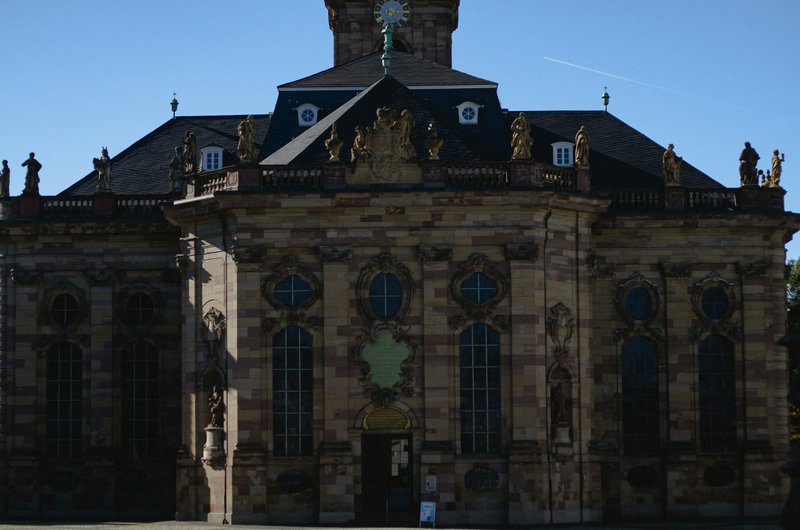
A converted 19th-century schoolhouse on Max Ophüls Square, this 16-room boutique hotel channels modernist masters—Bertoia chairs, Le Corbusier references—within its preserved Gründerzeit façade. The Nauwieser district location puts guests steps from riverside Saarbrücken, while chef Silio del Fabro's two-Michelin-starred restaurant downstairs eliminates any need to venture far for exceptional dining.
Where to Stay
Where to Eat
Behind the ornate façade of an 1890 Gründerzeit schoolhouse, chef Silio Del Fabro holds two Michelin stars with a cuisine that threads French technique, Mediterranean warmth, and Japanese precision. His signature US entrecôte arrives with potato millefeuille, charred spring onions, Krause Glucke glazed in Chablis cream, and a crown of Kaluga caviar. Two tasting menus—one rooted in classics, another honoring his Italian origins—reward serious gastronomes.
Klaus Erfort's two-Michelin-starred table occupies a graceful white villa where classical interiors meet restrained contemporary design. The kitchen delivers uncompromising French cuisine through four- to seven-course menus, while the preorder Les Grands Classiques showcases signature preparations: langoustines royales cooked on sea salt with grilled young leeks, Bresse poularde paired with truffles and potato foam. Floor-to-ceiling windows frame manicured gardens, and an exceptional cellar rewards adventurous pairings.
The sandstone and brick birthplace of filmmaker Max Ophüls now houses one of Saarbrücken's most sought-after tables. In the bohemian Nauwieser Viertel, a sleek modern interior contrasts with the historic shell, while the coveted counter seats offer front-row views of the kitchen's precision. Evening brings a four or five-course contemporary set menu, each plate reflecting seasonal rhythms with Michelin-recognised finesse.
Tucked within the same boutique hotel as the two-Michelin-star Esplanade, Le petit CINQ offers a more relaxed counterpoint to its celebrated sibling. David Wottke, who honed his craft as sous chef under Silio Del Fabro, presents weekly-changing three- and four-course menus built on seasonal ingredients, including a dedicated vegetarian option. Open Sunday through Tuesday, the restaurant occupies the fine dining room during its quieter days.
From its terrace perched above Saarbrücken, Restaurant Quack delivers ambitious seasonal cooking that draws equally from Mediterranean and regional German traditions. Corn-fed Bresse chicken with truffles and Breton turbot with artichoke purée showcase the kitchen's refined technique. For a more immersive evening, the Chef's Table offers counter seating facing the pass, where a surprise tasting menu unfolds course by course.
A late-nineteenth-century castle provides the theatrical backdrop for this French table, where classic cooking favors robust, unadorned flavors over contemporary flourishes. The signature beef fillet tartare arrives at the table raw, dressed by skilled hands in full view of diners. A terrace overlooking the historic estate and a wine list weighted toward French estates complete the refined yet unpretentious atmosphere.
Frequently Asked Questions
Which neighborhoods in Saarbrücken have the best restaurants?
+
St. Johanner Markt concentrates the city's established fine dining addresses, while Nauwieser Viertel attracts younger chefs with contemporary European menus. The streets around Schlossplatz offer traditional Franco-German restaurants in historic settings.
How does Saarbrücken's border location influence its cuisine?
+
Proximity to France and Luxembourg creates genuine culinary exchange. Expect to find quiche Lorraine alongside Saumagen, French wine lists paired with German Rieslings, and chefs who trained on both sides of the border bringing dual influences to their kitchens.
What is the best area to stay for exploring Saarbrücken on foot?
+
The historic center between Schlossplatz and St. Johanner Markt places you within walking distance of major cultural sites, the Staatstheater, riverside promenades, and the concentration of dining options. The compact scale makes a car unnecessary for most visits.
Nearby Destinations
Explore GermanySaarbrücken occupies a compelling position at the Franco-German frontier, its architecture and cuisine shaped by centuries of shifting borders. The Baroque quarter around Schlossplatz and the St. Johanner Markt form the city's historic spine, where sandstone façades from the eighteenth century line cobbled squares now home to independent restaurants and wine bars. The Saar riverbanks have evolved into a promenade culture, particularly around the Berliner Promenade, where locals gather for aperitifs as the evening light catches the water.
The dining scene here reflects genuine cross-border fluidity rather than fusion cliché — chefs trained in Alsace and Lorraine work alongside those from Baden-Württemberg, and menus move easily between French technique and German heartiness. Nauwieser Viertel, the city's alternative quarter, hosts newer establishments with natural wine lists and seasonal tasting menus. For accommodation, the compact scale means most addresses sit within walking distance of both the Staatstheater and the riverside Deutsch-Französischer Garten.