


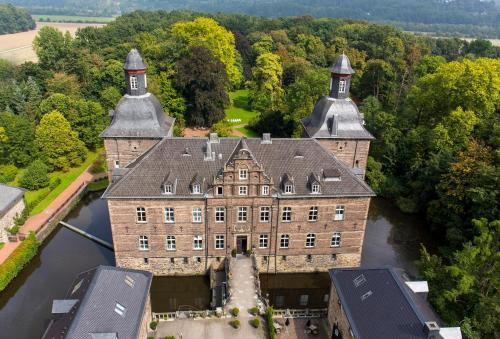
A 17th-century moated castle turned hotel, Schlosshotel Hugenpoet retains its architectural grandeur through a historic foyer and 36 individually appointed rooms and suites. The separate Türmchen villa offers seclusion for those seeking privacy, while the landscaped gardens, on-site restaurant, bar, and library create a self-contained retreat. Pet-friendly policies and proximity to golf courses suit active travelers.
Ruhr Area Travel Guide: Best Hotels, Restaurants & Experiences 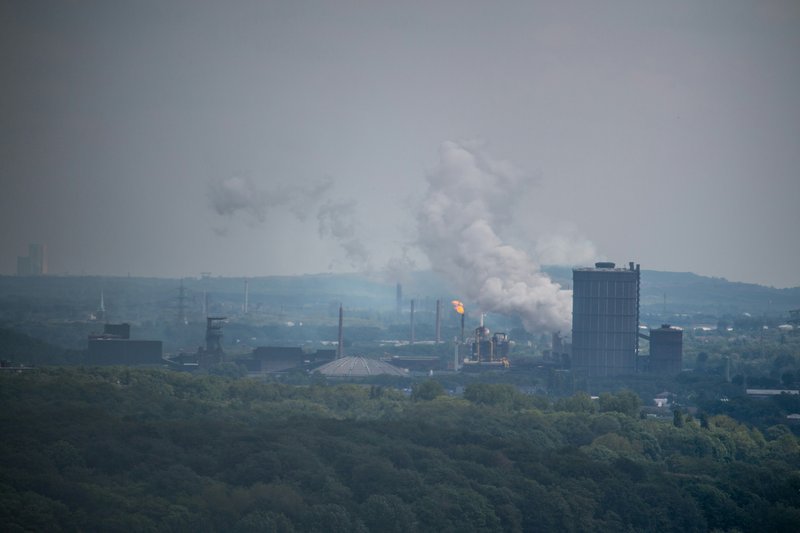
Explore Ruhr Area
Hotels (2)
Restaurants (5)
Where to Stay

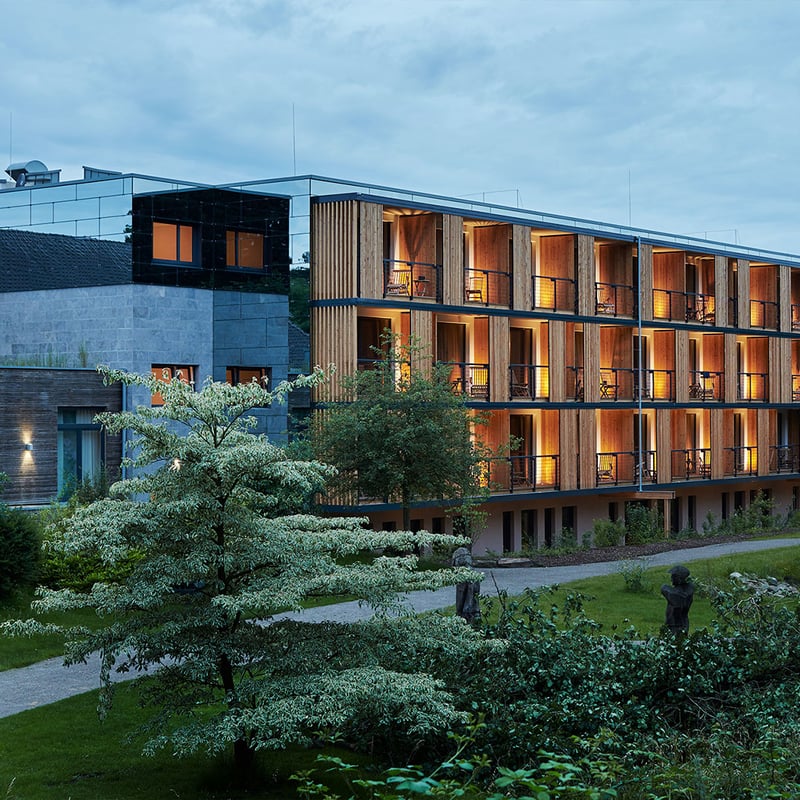
A family estate since 1872 transformed into a contemporary wellness retreat, Landhotel Voshövel pairs modern architecture with country house warmth on the Lower Rhine near the Dutch border. The adults-only property features an extensive spa complex—indoor and outdoor pools, Turkish bath, steam rooms, jacuzzi—while a redesigned historic barn hosts pop-up dining. Cyclists and hikers find prime routes directly accessible, with house bikes available.

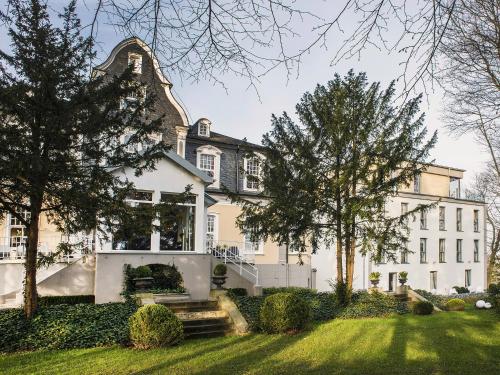
A restored 1907 villa perched in the hills south of Wuppertal pairs with a contemporary Design House annexe, creating an intriguing architectural dialogue between heritage elegance and modern minimalism. The property's 37 rooms spread across both buildings offer distinct aesthetics while sharing access to manicured gardens and a sauna. Cyclists appreciate complimentary bikes for exploring the surrounding Bergisches Land, and four-legged companions are welcomed throughout.
Where to Eat

★ Michelin
Descending into this subterranean dining room, just eighteen guests settle into an evening orchestrated by Alexander Hoppe. The open kitchen becomes theatre as chefs deliver and narrate each course of the six-dish seasonal menu. Hamachi arrives two ways—glazed and as spiced tartare with yuzu gel—while Quercy lamb with vadouvan jus demonstrates the kitchen's confident, creative hand. One Michelin star.

★ Michelin
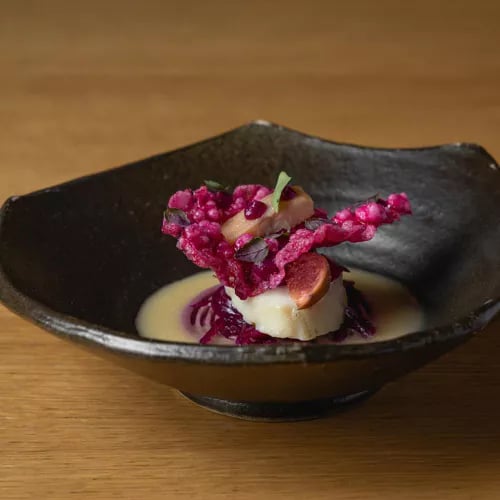
Television chef Björn Freitag has held a Michelin star here since 2002, serving modern seasonal cuisine that honors German culinary traditions. His signature salmon trout mosaic arrives with apple, spicy onion broth, baby leeks, and smoked crème fraîche—precise, vibrant, beautifully plated. The elegant dining room and polished service suit occasion dinners, while a crisp regional pilsner keeps things refreshingly local. An on-site cookery school extends the experience.

★ Michelin
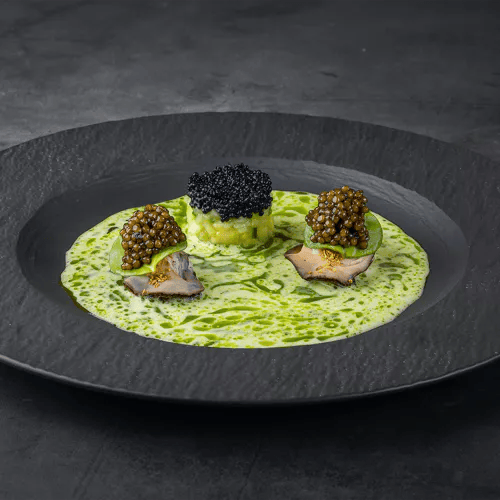
Tobias Weyers commands the kitchen at this one-Michelin-starred address with quiet precision, sending out four- and six-course seasonal menus that balance restraint with bold flavor. A signature preparation of crispy barbecued asparagus arrives alongside silken white bacon and vivid cucumber sauce—a dish exemplifying the chef's talent for subtle contrasts. The minimalist dining room and relaxed service reinforce a casual fine dining ethos that rewards return visits.

★ Michelin
Styrian-born chef Jürgen Kettner earned a Michelin star for his 'New Austrian' cooking, a concept that threads Asian inflections through traditional recipes from his homeland. The trendy dining room offers four- or six-course menus alongside an accessible pub card featuring Backhendl and Kaiserschmarrn. Organic-leaning wines complement the food, and an on-site shop stocks regional Styrian specialties for those wanting to take something home.

★ Michelin
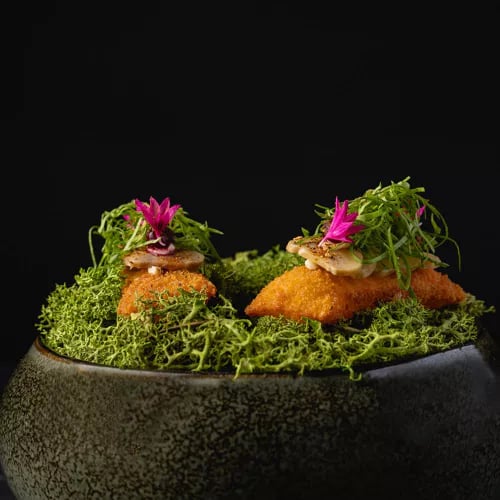
Chef Sven Nöthel's one-starred table occupies a converted stable on Duisburg's leafy outskirts, its sleek contemporary interior anchored by an open kitchen that draws diners into the creative process. The seasonal menus—'Beete & Bauer' or the vegetarian 'Acker & Saat'—showcase regional produce served on handmade Wesel pottery, while chefs circulate to narrate each course personally. A convivial destination for ingredient-driven gastronomy.

★ Michelin
Chef-patron Daniel Georgiev earns a Michelin star at this intimate Old Town address through classical technique filtered through seasonal sensibility. His set menus pivot between regional sourcing—Müritz venison, Wipperfürth trout—and premium imports like Balfegó tuna and truffle. A walk-in wine cabinet showcases over 300 labels, champagne particularly well represented. The Tuesday-to-Thursday surprise menu rewards repeat visitors with culinary spontaneity.

★ Michelin
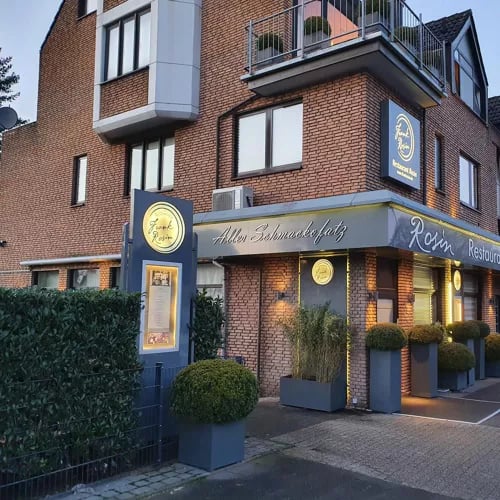
Television personality Frank Rosin's starred restaurant in Dorsten operates under head chef Oliver Engelke, whose kitchen delivers both classic and inventive compositions—including vegan options—that guests arrange into personalized tasting menus. The 'Schmackofatz' format pairs courses with wines from the house label developed alongside sommelier Susanne Spies. Maître d' Jochen Bauer leads a polished yet unhurried service that matches the cooking's precision.

★ Michelin
The evening begins with a golf cart ride across the Kokerei Hansa industrial heritage site, delivering diners to a basement dining room dressed in black and gold—a nod to coal's legacy. Chef Pierre Beckerling's one-starred kitchen delivers a creative interpretation of Ruhr Valley cuisine through a five-course menu, with each dish presented personally by the team. The house-made non-alcoholic pairings deserve serious attention.

★ Michelin
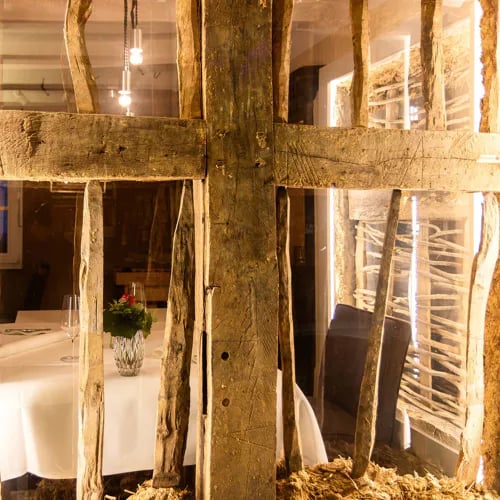
Inside Wuppertal's oldest inn on the Gut Einern estate, chef Reyad Danah draws on his Syrian heritage to inflect European technique with Middle Eastern aromatics—sole arrives with tomato beurre blanc, couscous, and tarragon; banana meets date and whey. Clay-and-timber walls behind glass panels frame the heritage-protected bar, while a five-course menu unfolds with polished extras. One Michelin star.

★ Michelin
Perched on the seventh floor of the Dula Centre, The Stage delivers panoramic views stretching to Westfalenstadion alongside chef Michael Dyllong's precise creative cooking. Four or six-course menus form the backbone, with optional upgrades of Japanese Wagyu, N25 caviar, or aged French cheeses for those seeking indulgence. A market-driven Marktmenü runs Tuesday through Thursday, while the terrace adds summer appeal to this one-star destination.
Frequently Asked Questions
Which cities in the Ruhr Area offer the best hotel options?
+
Essen and Düsseldorf provide the strongest concentration of upscale properties, with several converted industrial buildings now operating as design hotels. Dortmund offers solid business hotels with good transport links, while smaller cities like Bochum feature boutique properties in quieter residential settings.
How do I navigate between Ruhr Area cities?
+
The S-Bahn and regional train network connects all major cities within fifteen to thirty minutes. The Rhine-Ruhr transport association operates on a unified ticket system, making multi-city exploration straightforward. Düsseldorf's international airport serves as the main gateway, though Dortmund and Köln/Bonn airports offer alternatives.
What is the best season to visit the Ruhr Area?
+
Late spring through early autumn offers optimal conditions for exploring outdoor industrial heritage sites and beer gardens. The Ruhrtriennale arts festival runs August through September, transforming industrial spaces into performance venues. Winter brings atmospheric Christmas markets in each city center, particularly notable in Essen and Dortmund.
Nearby Destinations
Explore Germany



Ruhr Area
Germany's largest urban agglomeration stretches across the Rhine-Ruhr valley, a constellation of cities that once powered Europe's industrial revolution. Essen, Dortmund, Duisburg, Bochum — each maintains its own identity while sharing a remarkable transformation story. The Zollverein Coal Mine Industrial Complex, now a UNESCO World Heritage Site, anchors Essen's cultural renaissance with its Bauhaus-influenced pithead buildings reimagined as museums and event spaces. Düsseldorf's media harbor and Dortmund's Westfalenhütte district showcase how former steelworks become architectural statements.
The dining scene reflects this creative reinvention. Chefs have colonized former workers' canteens and brewery halls, bringing contemporary German cuisine to spaces with cathedral-high ceilings and exposed ironwork. The regional brewing tradition persists — Dortmund alone once claimed more breweries than Munich — while natural wine bars and specialty coffee roasters have established themselves in converted industrial courtyards. From the tree-lined Rüttenscheid neighborhood in Essen to Bochum's Bermuda Triangle entertainment district, the region rewards those willing to explore beyond conventional tourist itineraries.