


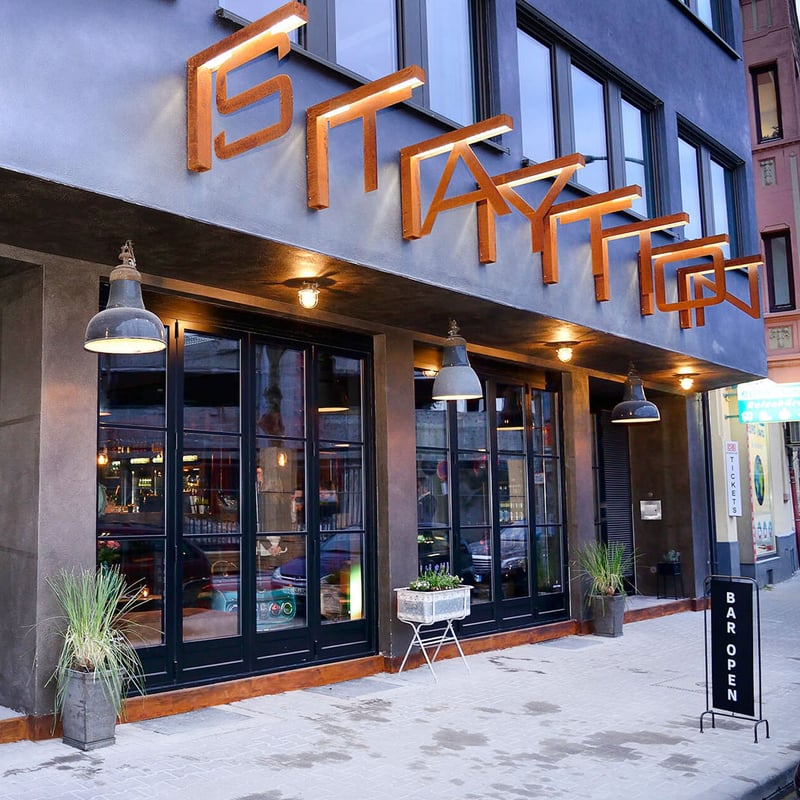
Steps from Mannheim's central station, this 43-room boutique hotel channels industrial grit through exposed pipes, weathered wood, and caged Edison bulbs. Six musically-themed floors deliver playful touches—snare-drum nightstands, vinyl-inspired murals—while the building's angular geometry floods rooms with unexpected light. Guests borrow pre-loaded iPods at reception, setting the soundtrack for a stay that suits creative spirits and design-minded travelers with pets in tow.
Mannheim Travel Guide: Best Hotels, Restaurants & Experiences 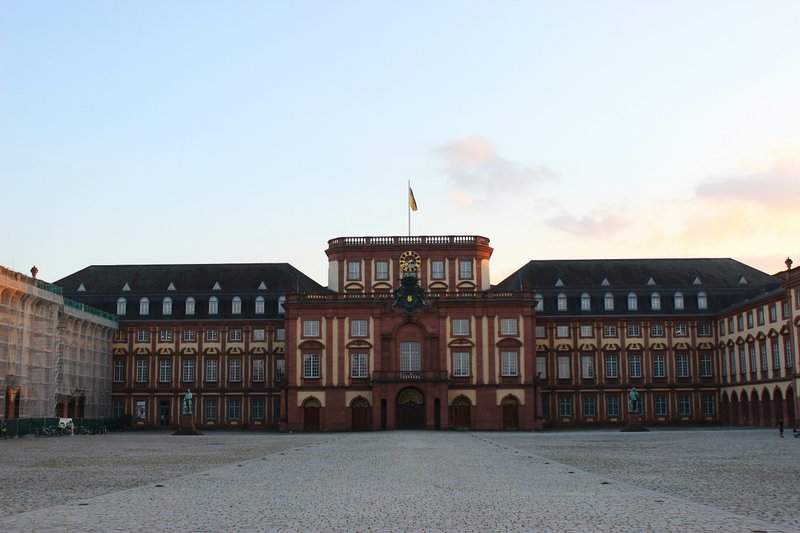
Explore Mannheim
Restaurants (3)
Where to Stay
Where to Eat

★★ Michelin
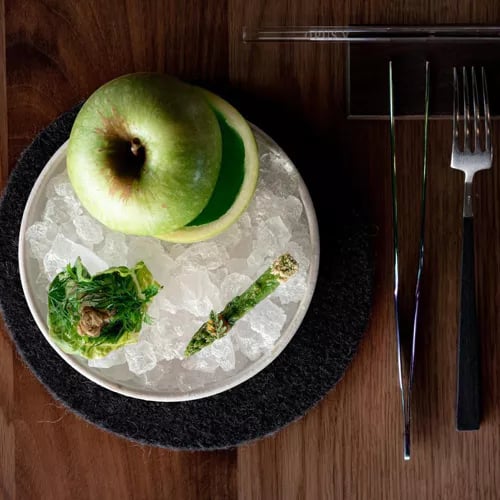
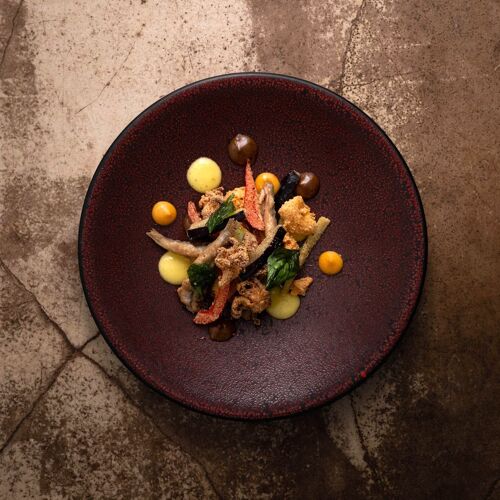
Perched atop the engelhorn Mode im Quadrat building, Dominik Paul's two-Michelin-starred dining room pairs Nordic-inflected minimalism with an open kitchen and a roof terrace surveying Mannheim's skyline. The cooking toggles between robust intensity and restrained elegance—langoustine with shiitake and verjus exemplifies the latter. Three tasting menus, including the six-course Urban Nature, allow guests to calibrate the evening's ambition.

★ Michelin
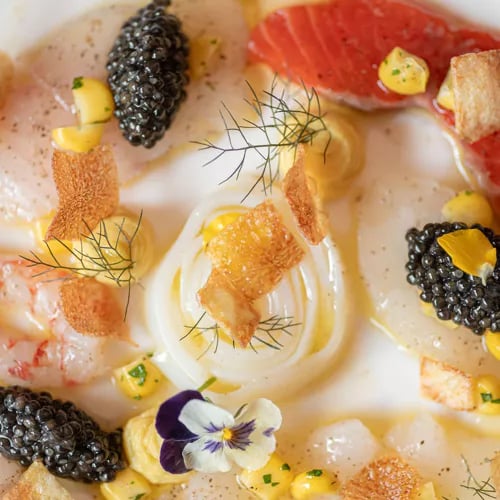
A culinary institution in Mannheim's grid-patterned historic quarter, Dobler's holds one Michelin star under chef-owner Eric Schumacher. The kitchen favors classical French technique executed with restraint—white halibut arrives with black salsify ragout and vadouvan-spiked beurre blanc, while pink-roasted venison comes dressed in pickled cranberries and spiced jus. The seasonal set menu offers excellent value at lunch; regional wines complement the sleek, elegant dining room.

Michelin Selected
Behind Le comptoir 17, a discreet back room seating just twelve guests hosts chef-owner Gregor Ruppenthal's intimate French table. The tasting menus—five or seven courses—showcase his devotion to impeccable produce: line-caught sea bass from Quiberon, pink onions, nori. His octopus salad has remained a signature since 1999. A carefully assembled wine list and attentive service complete the experience. Reservations essential.

Michelin Selected
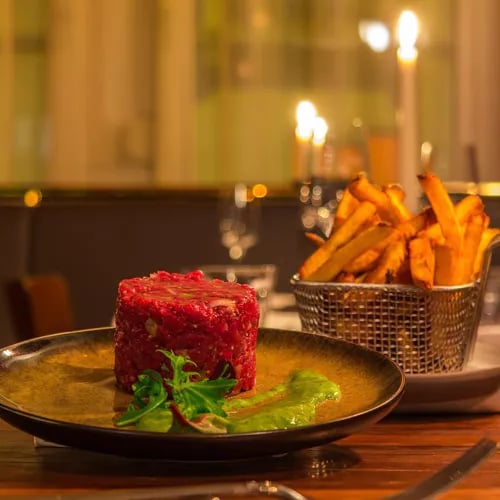
Parisian bistro warmth fills this Mannheim address, where blackboard specials change daily alongside a menu built on rigorous sourcing. The kitchen turns out robust French classics—blood sausage with confident seasoning, beef tartare prepared tableside, mussels arriving briny and plump, fish soup rich with Mediterranean depth. A Michelin Plate holder, Le Comptoir 17 suits those craving honest Gallic cooking without ceremony.
Frequently Asked Questions
How does Mannheim's grid system work for getting around?
+
The historic center uses an alphanumeric grid instead of traditional street names. Blocks are labeled with a letter (A-U) and number (1-6), so addresses appear as coordinates like 'N7, 14.' Locals give directions by quadrant — the palace sits at A1, with numbers increasing toward the river. Once understood, navigation becomes remarkably intuitive.
Which neighborhoods offer the best dining scene?
+
Jungbusch provides the most diverse culinary landscape, mixing Mediterranean trattorias with contemporary German kitchens in converted harbor buildings. The Quadrate Q6-Q7 blocks concentrate upscale restaurants near the Paradeplatz. For traditional Baden cuisine and regional wines, the taverns of Seckenheim and the streets around the Wasserturm offer more classical options.
What cultural institutions define Mannheim?
+
The Nationaltheater, Germany's oldest civic theater, anchors the performing arts scene with opera, drama, and ballet in repertory. The Kunsthalle Mannheim houses significant Impressionist and contemporary collections across two connected buildings. The TECHNOSEUM chronicles industrial heritage appropriate to a city that hosted Karl Benz's first automobile workshop.
Nearby Destinations
Explore Germany



Mannheim
Mannheim's distinctive grid layout — locals navigate by coordinates rather than street names — gives this Baden-Württemberg city an almost American rationality unusual in Germany. The Quadrate, as the central district is known, spreads from the Baroque palace toward the confluence of the Rhine and Neckar rivers, its blocks labeled A1 through U6. This 18th-century urban experiment, commissioned by Elector Carl Theodor, today houses independent boutiques, specialty coffee roasters, and galleries in repurposed industrial spaces.
The Jungbusch quarter along the harbor has emerged as the city's creative nerve center, its former warehouse district now punctuated by street art, vinyl bars, and restaurants drawing on the neighborhood's Turkish and Italian heritage. Across the Neckar, Feudenheim and Seckenheim maintain their village character with traditional wine taverns. The Luisenpark, one of Germany's largest urban parks, offers classical Chinese gardens alongside contemporary sculpture installations — a respite from the purposeful geometry that defines Mannheim's streets.