


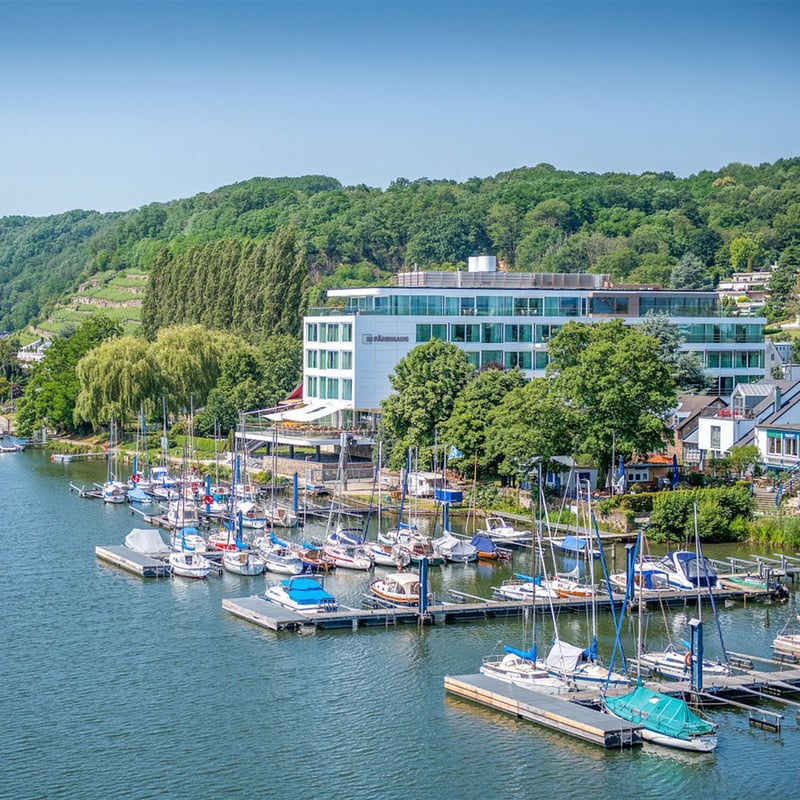
Shaped like a ship and moored along the Moselle's quiet banks, this striking white building channels nautical spirit through awning-draped terraces and chic interiors. River-facing rooms deliver sweeping water views, culminating in a panorama penthouse, while the fifth-floor wellness retreat offers an indoor pool and sauna. Pet-friendly policies and EV charging appeal to modern travelers seeking waterfront tranquility away from traffic.
Koblenz Travel Guide: Best Hotels, Restaurants & Experiences 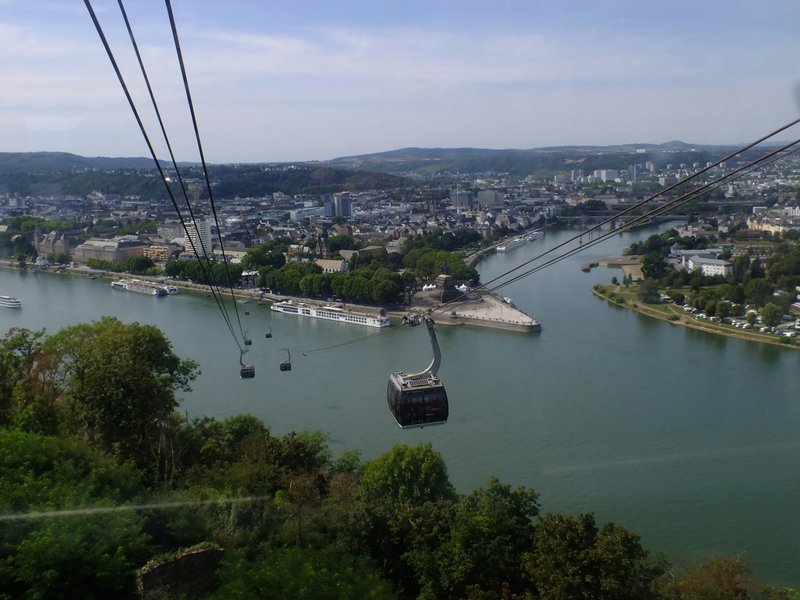
Explore Koblenz
Hotels (1)
Restaurants (2)
Where to Stay
Where to Eat

★★ Michelin
Twenty seats overlooking the Moselle, four of them at a chef's table where Yannick Noack orchestrates his two-starred kitchen in full view. The former PURS chef delivers modern riffs on classical foundations—Breton sole paired with ox marrow, venison accented with Cherry Coke and beetroot—each plate exhibiting technical finesse and restrained creativity. Polished service and a thoughtful European wine list complete the intimate experience.

★ Michelin
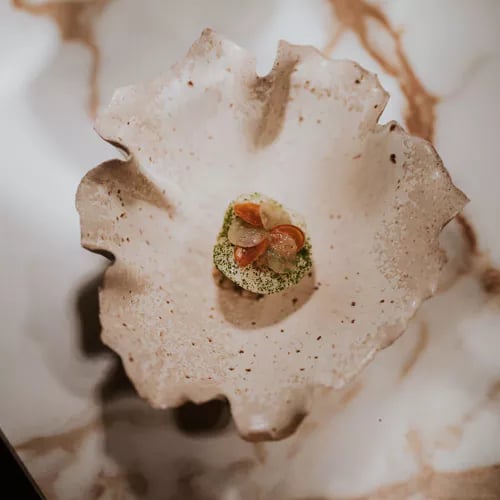
A single Michelin star marks this intimate old-town address where classic cuisine meets radical localism — a dedicated farmer grows vegetables exclusively for the kitchen. The four-to-eight-course menus, one entirely vegetarian, showcase precise compositions like yoghurt with zucchini, black garlic, and lemon oil. Service radiates genuine warmth, while the secluded Brunnenhof courtyard offers refuge from Koblenz's bustle.

★ Michelin
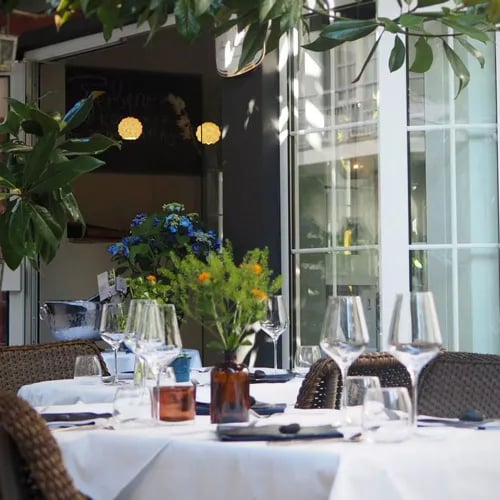
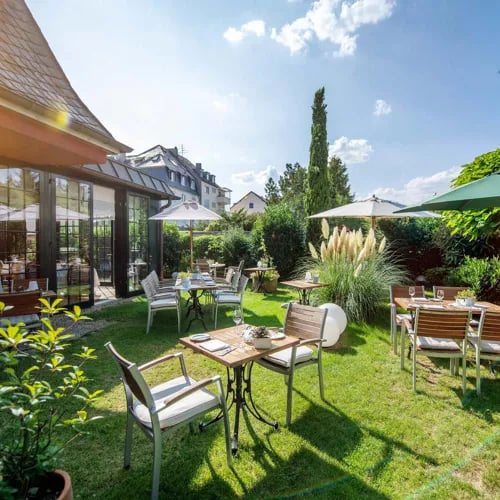
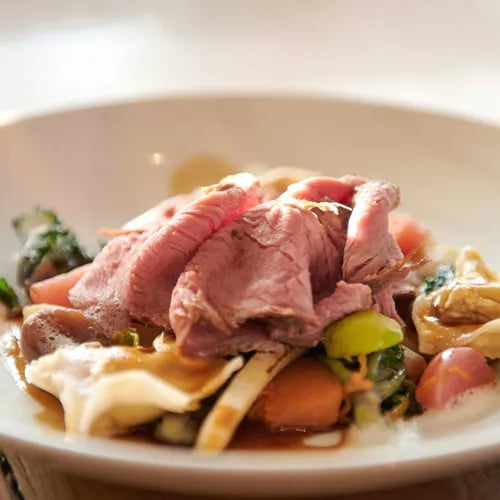
Chef-patron Mike Schiller earns his Michelin star through an inventive plant-forward philosophy, offering the four-course 'PhantasTisch' surprise menu with optional fish or meat additions. Alongside this, French classics demonstrate remarkable depth—the Breton lobster cassoulet and pheasant suprême among the standouts. Guests dine in a luminous conservatory or charming garden terrace, with house-made delicacies available from the on-site shop.

Michelin Selected
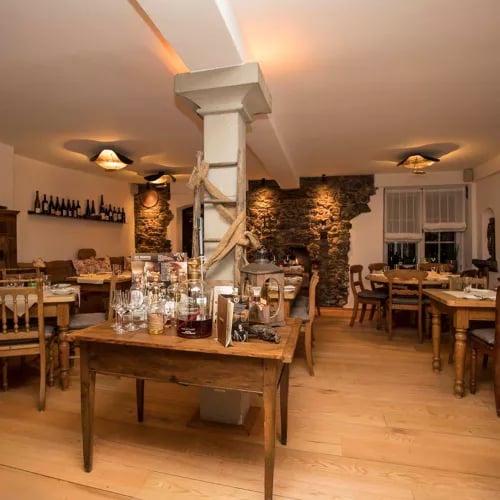
A 1647 half-timbered house on Vallendar's Rathausplatz sets the stage for ambitious seasonal Mediterranean cooking built on first-rate produce. Inside, intimate banquette seating creates a convivial atmosphere, while the terrace beside an old barn—complete with glockenspiel clock—offers warm-weather dining with character. Traditional in spirit yet refined in execution, this address rewards those seeking substance over spectacle.

Michelin Selected
Five generations of the Linden family have shaped this address near Koblenz into a destination for regional cooking with contemporary verve. Marco Linden orchestrates seasonal menus that balance tradition and modern technique, while Sandra Linden directs the dining room with polished warmth. The choice between set menu and à la carte allows guests to calibrate their experience, whether a quick business lunch or leisurely evening.
Frequently Asked Questions
Which neighborhoods in Koblenz offer the best dining options?
+
The Altstadt between Münzplatz and the Liebfrauenkirche concentrates the most refined restaurants, while the Moselle promenade near the Deutsches Eck features riverside terraces with wine-focused menus. The area around Plan and Am Görresplatz has evolved into a destination for contemporary German cooking.
What regional dishes should visitors expect on Koblenz menus?
+
Local restaurants feature Rhineland specialties including Döppekooche (a dense potato cake baked in cast iron), Rheinischer Sauerbraten with raisin sauce, and freshwater fish from the Rhine and Moselle. The surrounding Mosel wine region ensures most establishments offer extensive Riesling selections from nearby villages like Winningen and Kobern-Gondorf.
How does Koblenz's location at two rivers shape its character?
+
The confluence of the Rhine and Moselle created the city's original importance as a Roman castrum and later as an electoral residence. Today this geography means waterfront promenades on both rivers, ferry crossings, and the Seilbahn cable car connecting the old town to Ehrenbreitstein fortress — making the city unusually scenic for its modest size.
Nearby Destinations
Explore Germany



Koblenz
At the Deutsches Eck, where the Moselle flows into the Rhine beneath the equestrian monument to Kaiser Wilhelm I, Koblenz reveals two millennia of strategic importance. The Altstadt clusters around the Liebfrauenkirche and the Vier Türme intersection, where baroque townhouses now shelter wine bars pouring local Riesling. Across the Rhine, the Ehrenbreitstein fortress — reached by cable car — surveys the valley that Goethe and Metternich once admired. The Schängel fountain in the Rathaus courtyard commemorates the city's cheeky local archetype, a reminder that this Prussian garrison town never lost its Rhineland irreverence.
The dining scene draws heavily on the surrounding wine country. Restaurants along the Moselle promenade and in the narrow lanes behind the Basilika St. Kastor serve regional preparations: Döppekooche potato cakes, Rheinischer Sauerbraten, pike-perch from the rivers. Evening drinks migrate to the Münzplatz and the converted warehouses of the Rheinanlagen, where the cable car lights trace their arc above the water.