Andrée Putman's daring interiors bring automotive elegance to this 174-room property adjacent to the Autostadt, where chrome accents and leather details echo Volkswagen's factory next door. A heated infinity pool floats in the harbor basin with views of the power plant's four chimneys, while Aqua delivers acclaimed German cuisine. Newman's Bar, hung with the photographer's portraits, hosts live jazz six nights weekly.
Explore Hannover
Where to Stay
Commissioned in 1570 by Hilmar von Münchhausen, this Weser Renaissance castle near Hamelin retains its aristocratic bearing through vaulted ceilings, parquet floors, and museum-caliber antiques. The landscaped parkland extends to two golf courses, while a spa with indoor pool, jacuzzi, and steam rooms offers quieter pursuits. Sixty-seven rooms suit travelers drawn to layered history and unhurried estate living.
A 16th-century castle turned 68-room retreat, Schlosshotel Münchhausen pairs Renaissance architecture with contemporary refinement across its sprawling grounds and manicured gardens. The spa draws on thermal traditions with Turkish bath and sauna, while an on-site restaurant and bar anchor the estate's social life. Golfers benefit from nearby courses; electric vehicle charging suits the eco-conscious arrival.
Where to Eat
Tucked within the Ritz-Carlton at Volkswagen's Autostadt, Aqua holds three Michelin stars under chef Sven Elverfeld, whose cooking marries technical complexity with deceptive simplicity. Expect bold pairings—Saibling char with its own caviar, yellow carrot, shiso and miso—delivered through tasting menus titled 'New Discovery' and 'My Solidarity.' The service strikes a rare balance: polished yet genuinely relaxed, making haute cuisine feel approachable rather than ceremonial.
Chef Tony Hohlefeld's two-Michelin-starred kitchen delivers technically precise modern cuisine through dishes like sea bass with sorrel and beer, or turbot paired with spruce and mushroom—combinations that sound bold yet arrive with appealing lightness. The chefs themselves present each course, explaining ingredients and techniques. A semi-circular dining room wrapped in floor-to-ceiling windows and Scandinavian-inflected design keeps the mood relaxed, the focus entirely on the plate.
Benjamin Gallein's two-Michelin-starred table occupies the modern glass extension of the Leineschloss, Lower Saxony's parliamentary seat, with views stretching across the Leine River. The format hands control to diners: course sequence, ingredient upgrades, and wine flights—including alcohol-free pairings—are theirs to determine. Hand-dived Norwegian scallops and souffléed venison with pistachios and autumn trumpets demonstrate the kitchen's precision with premier produce.
Within the Renaissance walls of Schlosshotel Münchhausen, a 1570 castle surrounded by parkland and a golf course, Hilmar serves a five-course tasting menu rooted in French tradition yet driven by farm-to-table sourcing. Moulded ceilings and chandeliers frame the experience, while attentive service guides diners through modern compositions punctuated by delicate appetisers. One Michelin star confirms the kitchen's precision.
Chef Enrico Dunkel has quietly anchored Brunswick's dining scene with his farm-to-table kitchen on Alte Knochenhauerstraße. The format—five, six, or seven courses—allows diners to calibrate their evening, while an extensive German wine list offers thoughtful pairings throughout. International influences thread through ambitious, health-conscious plates served in a modern yet intimate space, with a leafy terrace adding warm-weather appeal.
Chefs Bettina and Silvio Lange craft modern, internationally-inflected cuisine with pronounced seasonal accents at this Wolfsburg address. Their signature tasting menu spans three to seven courses, paired with selections from a thoughtfully assembled German and international cellar. Summer dining shifts to a terrace shaded by a mature walnut tree, while the medieval Burg Neuhaus lies within an easy stroll for post-meal exploration.
Chef Valentin Thesing, formerly of three-Michelin-star Aqua in Wolfsburg, helms this intimate Brunswick address with precision and creativity. The setting—a restored Jugendstil landmark with original herringbone floors and soaring pillars—frames five- or seven-course menus that balance finesse with depth. Dishes like pork jowl with carrot blossom honey reveal Thesing's command of robust sauces and unexpected harmonies.
Head chef Thomas Wohlfeld commands the open kitchen at this one-Michelin-starred address, crafting ingredient-led menus where Nordic sensibilities meet subtle Asian inflections. Duck from Odefey & Töchter farm arrives with red cabbage and orange; halibut pairs with asparagus and leek. The minimalist dining room maintains a casual fine dining ease, while a front garden terrace and thoughtful house-made non-alcoholic pairings complete the experience.
Chef-patron Sven Holthaus earns his Michelin star through contemporary French cooking threaded with precise Asian inflections—think skrei paired with Champagne beurre blanc, or beetroot brightened by ponzu and tonburi. The intimate Oststadt dining room preserves original period floorboards beneath high ceilings, while four-to-six-course menus unfold alongside a focused German-French wine selection. Summer opens a terrace on the square; reservations remain essential.
Claudia and Hinrich Schulze run this serene village restaurant in Thönse with evident devotion, offering two tasting menus—'Gaumenfreude' and the vegetarian 'Gartenliebe'—in three- to seven-course formats. The kitchen demonstrates meticulous technique through classics like veal rump cap with porcini sauce, Swiss chard, and nut butter dumplings. Attentive service and thoughtful drink pairings complete an unhurried, refined evening.
Frequently Asked Questions
Which neighborhoods in Hannover offer the best dining options?
+
The Lister Meile and surrounding Oststadt feature a concentration of independent restaurants and wine bars. The Nordstadt has emerged as a destination for contemporary German cooking in converted industrial spaces, while the Altstadt around Kramerstraße maintains traditional Brauhaus culture and regional taverns.
What makes Hannover's food scene distinctive?
+
Hannover's cuisine draws heavily from Lower Saxony's agricultural bounty — Spargel (white asparagus) dominates spring menus, while autumn brings game from nearby forests. The city maintains strong Brauhaus traditions alongside a growing scene of chef-driven establishments focused on seasonal, locally sourced ingredients.
Are Hannover's hotels centrally located for exploring the city?
+
Most accommodation clusters around three areas: the Mitte district near the Opera and main station, the leafy quarters bordering the Eilenriede forest, and the southern stretches near Maschsee lake. Each offers distinct character — urban convenience, parkland tranquility, or waterfront setting — all within easy reach of the city's principal attractions.
Nearby Destinations
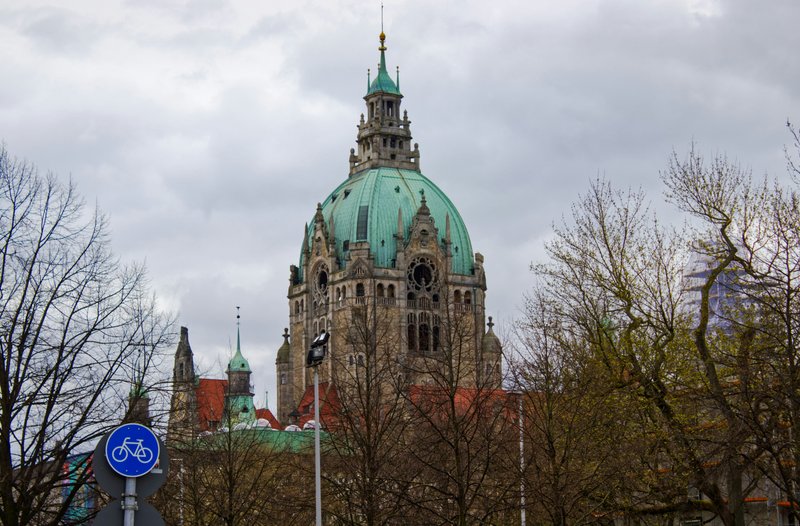
Explore GermanyHannover rewards the unhurried visitor. The Maschsee lake anchors the southern districts, its promenades lined with villas from the Gründerzeit era now converted into discreet guesthouses. North of the Hauptbahnhof, the Lister Meile pulses with independent bistros and wine bars, while the reconstructed Altstadt around the Marktkirche offers half-timbered facades housing contemporary German kitchens. The Herrenhausen Gardens — among Europe's most significant Baroque ensembles — set the tone for a city that values cultivation over flash.
The dining scene leans toward seasonal German cooking with strong regional roots: white asparagus from the sandy soils of the Lüneburger Heide in spring, game from the Deister forests in autumn. Locals gather in traditional Brauhaus cellars along Kramerstraße or seek out newer establishments in the Nordstadt, where former industrial spaces now host tasting menus and natural wine lists. Hotels range from converted merchant houses near the Opera to modern design properties along the Eilenriede, one of Europe's largest urban forests, which threads through residential quarters and offers morning runs beneath centuries-old oaks.