


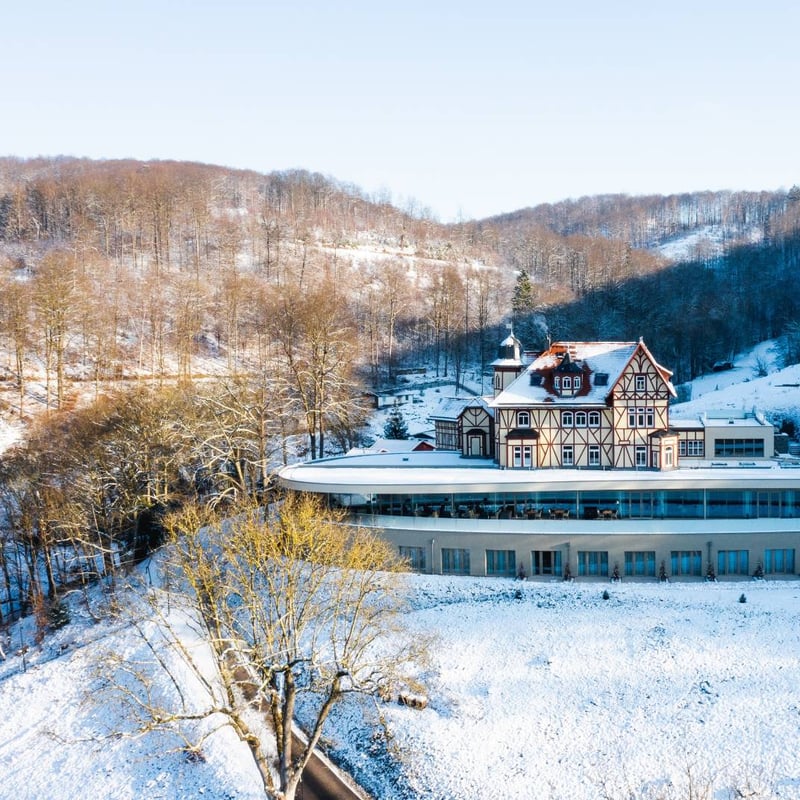
A German shipping magnate's half-timbered summer villa crowns a wooded hilltop above medieval Stolberg, now housing 37 rooms that range from sleek contemporary suites with treetop panoramas to a wood-paneled tower retreat. The sustainably built two-story spa suites deliver private Finnish saunas and open-air whirlpools, while self-guided mountain biking routes into the Harz depart directly from the entrance.
Aachen Travel Guide: Best Hotels, Restaurants & Experiences 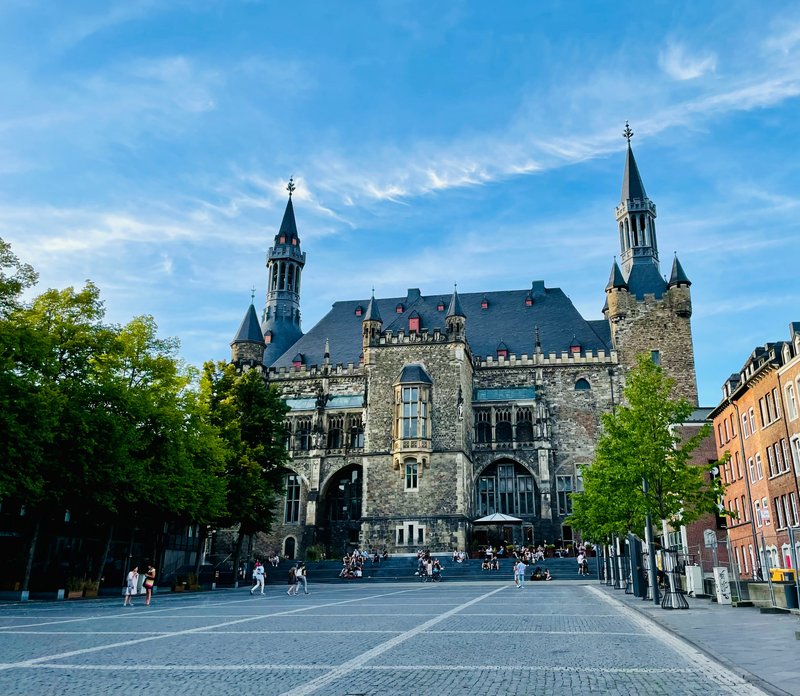
Explore Aachen
Hotels (1)
Restaurants (2)
Where to Stay
Where to Eat

★ Michelin
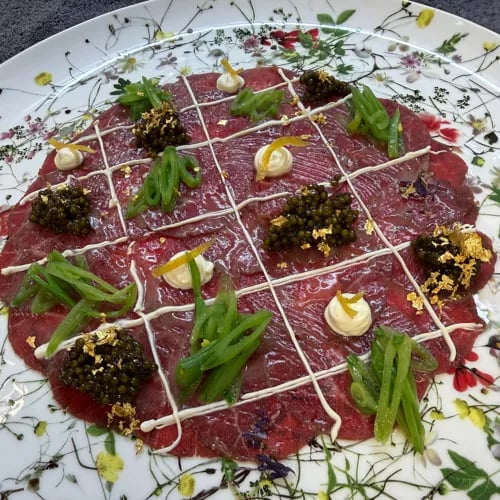
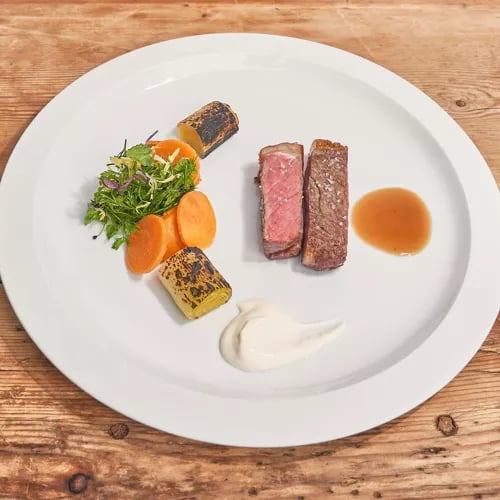
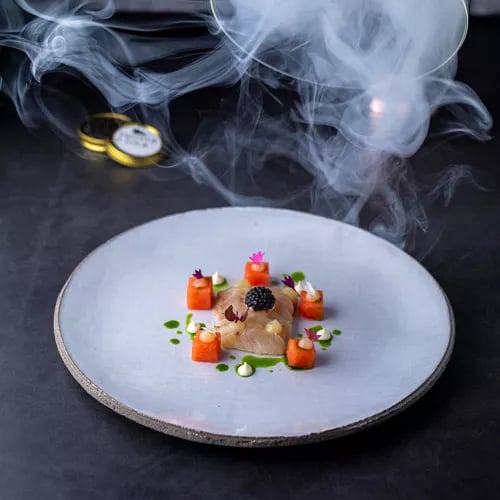
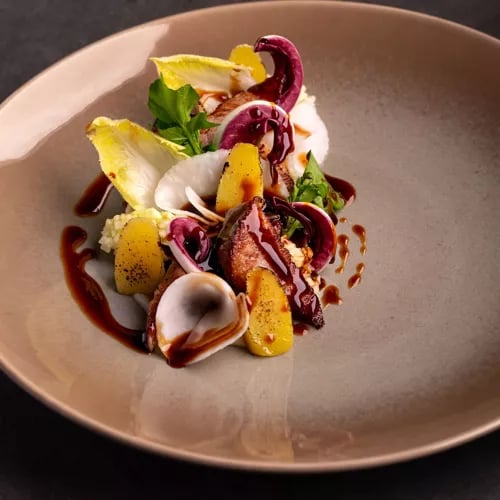
Chef-patron Christof Lang has presided over this Michelin-starred corner establishment since 1981, building its reputation as Aachen's most respected dining address. The kitchen delivers refined classic cuisine with restrained modern accents—dishes like Ocean Beef fillet with Brussels sprout salad and soy-infused veal stock demonstrate technical precision without unnecessary flourish. Three-to-six-course menus pair beautifully with the French-focused wine selection.

★ Michelin
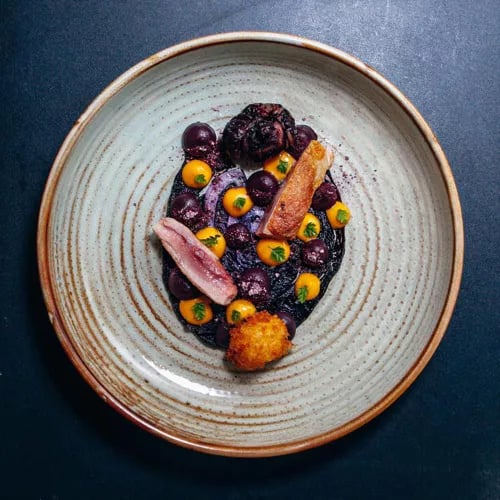
Since 1982, Sankt Benedikt has anchored fine dining in North Rhine-Westphalia from its listed building in Kornelimünster's village centre. Chef Maximilian Kreus crafts classic cuisine with precision and subtle originality, letting impeccable produce speak through each course. The evening tasting menu—available vegetarian—pairs with an all-German wine list, while midday brings a focused three-course bistro format. One Michelin star.

★ Michelin
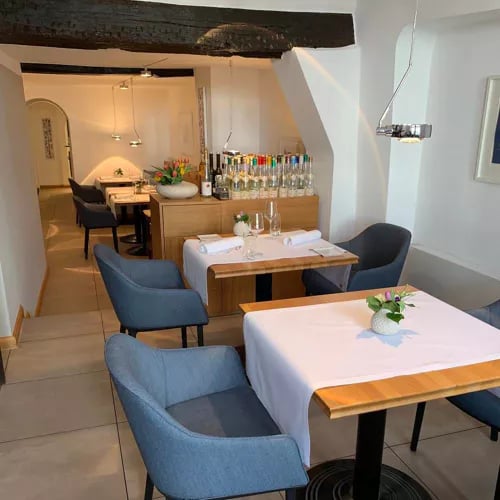
Named for the trio who run it—chefs Alexander Wulf and Marcel Kokot alongside sommelier Ronny Schreiber—this one-star destination reimagines Russian cuisine through a contemporary lens. Counter seating offers front-row views of the open kitchen's choreography, while Schreiber's unconventional wine pairings challenge and delight in equal measure. A minimalist dining room gives way to a leafy terrace in warmer months; bistro classics provide a casual alternative to the tasting menu.

Michelin Selected
Chef Dario Breuer's namesake restaurant channels classic French technique through a contemporary lens, presenting minimalist compositions with deliberate clarity. The flexible format—four to nine courses, with vegetarian iterations—suits both leisurely celebrations and purposeful business dinners. A 300-label wine program spanning prestigious estates and emerging producers rewards exploration, while the relaxed atmosphere defies the precision on the plate.

Michelin Selected
Terrazzo floors and soaring ceilings with ornate mouldings frame a striking black-and-white dining room where chef Hamid Heidarzadeh delivers creative cuisine rooted in classical technique with Asian and Mediterranean inflections. The tasting menus—one vegetarian, one carnivore—feature precisely composed plates like Balfegó tuna tartare brightened by jalapeño cream and grapefruit ice cream. Chefs join front-of-house in unhurried, participatory service.

Bib Gourmand
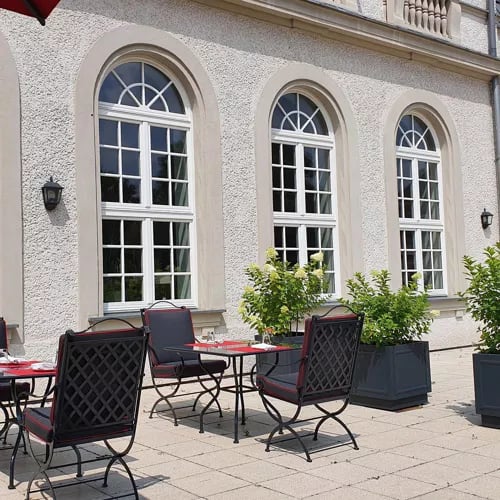
A Bib Gourmand recipient occupying a handsome historical building on Benediktusplatz, Bistro delivers creative cuisine with pronounced, confident flavors under the owner's attentive eye. Lunch brings a streamlined carte or three-course formula; evenings shift to the more elaborate 'St Benedict' gourmet menu. The small terrace, overlooking the church and market square, rewards an unhurried meal in warm weather.

Michelin Selected
Inside Parkhotel Quellenhof—Aachen's grand dame with its marble lobby and exquisite wood-panelled tearoom—Bistro delivers classic cuisine threaded with Mediterranean notes. The minimalist dining room keeps focus on plates like Black Angus beef tartare with brioche and lobster foam soup with tarragon ravioli, while a park-facing terrace offers gentler afternoons. Flexible service spans full evening menus, lighter midday fare, and afternoon snacks.

Michelin Selected
A short drive from Aachen, this long-established address in Langerwehe draws loyal regulars with its regionally rooted cooking. The kitchen moves confidently between set menus and à la carte options, with barbecued rump steak and traditional schnitzel among the reliable choices. Summer evenings reward guests with terrace seating, while cordial service maintains the welcoming atmosphere that has defined the place for years.
Frequently Asked Questions
What are the thermal traditions in Aachen?
+
Aachen's hot springs have attracted visitors since Roman times, when the settlement was known as Aquae Granni. The mineral-rich waters, among the hottest in Central Europe, still supply the Carolus Thermen spa complex and several historic bathhouses. Elisenbrunnen, a neoclassical pavilion on Friedrich-Wilhelm-Platz, offers a free taste of the sulfurous water — an acquired experience, but authentically local.
Which neighborhoods are best for exploring on foot?
+
The Domviertel surrounding the cathedral offers the densest concentration of historic architecture, artisan shops, and wine bars. Pontstraße and its side streets cater to a younger crowd with independent boutiques and international restaurants. For quieter strolls, the Burtscheid district to the southeast retains a village atmosphere with its own thermal history and half-timbered houses.
When is the best time to visit Aachen?
+
The Christmas market, one of Germany's oldest, transforms the Markt and cathedral square from late November through December. Spring brings milder weather for exploring the surrounding Eifel hills. The CHIO Aachen equestrian tournament in June draws an international crowd, while September's city festival fills the streets with music and regional food stalls.
Nearby Destinations
Explore Germany



Aachen
Charlemagne's imperial capital anchors Germany's westernmost corner, its medieval Altstadt radiating from the UNESCO-listed cathedral where Holy Roman Emperors were crowned for six centuries. The thermal springs that drew Celtic tribes and later Roman legions still feed the city's wellness culture — you'll catch sulfurous wisps rising from public fountains along Büchel and Elisenbrunnen. The compact center rewards walking: from the Rathaus's Gothic towers to the student-filled cafés spilling onto Pontstraße, Aachen feels both scholarly and quietly prosperous, its proximity to the Belgian and Dutch borders lending a cosmopolitan undertone.
The dining scene skews hearty and regional, with Rhineland classics like Sauerbraten and Himmel un Ääd appearing alongside contemporary European cooking in the streets around the Markt. Printen — the local spiced gingerbread — remains the edible souvenir of choice, sold from bakeries that have operated for generations. Evening drinks gravitate toward the atmospheric wine bars of the Domviertel or the livelier student haunts near RWTH Aachen University, one of Europe's leading technical institutions whose presence keeps the city's cultural calendar surprisingly robust.