


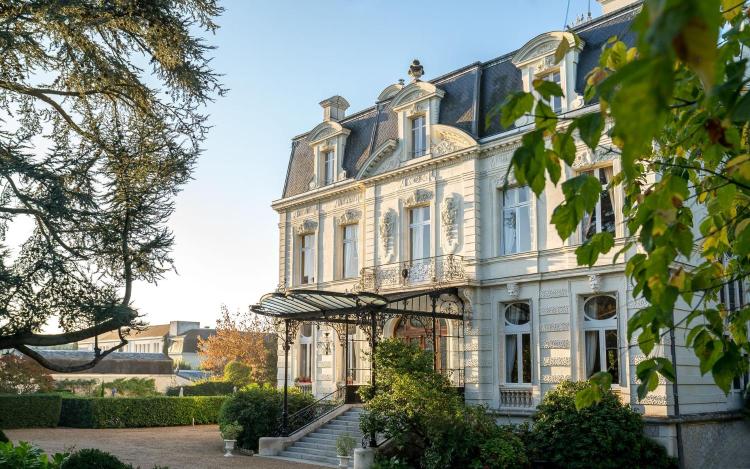
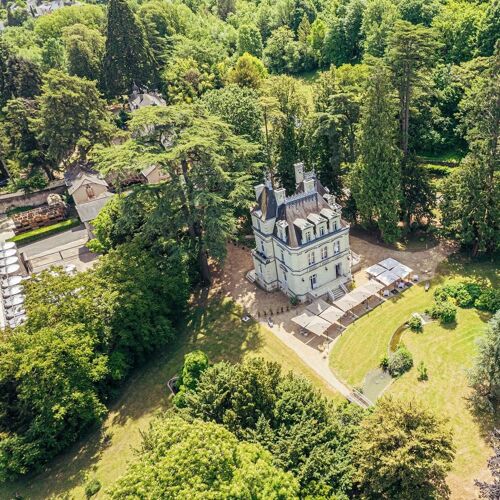
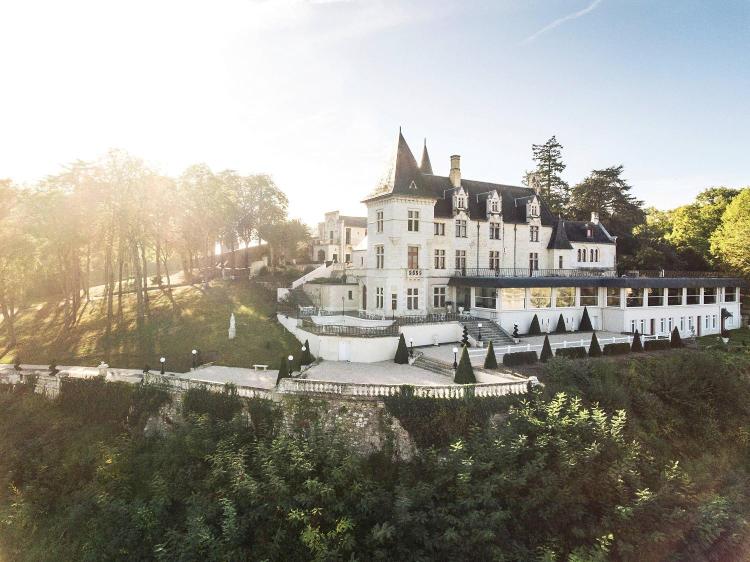
Belle Époque grandeur pervades this five-star downtown Saumur address, where 19th-century interiors channel aristocratic excess through ornate period rooms and gilded drawing rooms stocked with board games. A wooded English park wraps the historic ensemble, its grounds home to a gated swimming pool and garden table tennis. Families find practical comforts here — cots, extra beds — without sacrificing the theatrical château atmosphere.
Saumur Travel Guide: Best Hotels, Restaurants & Experiences 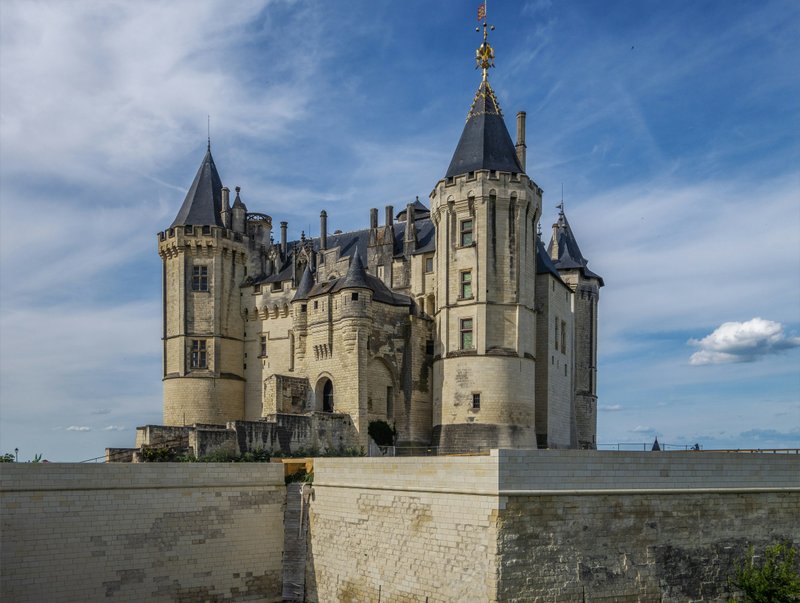
Explore Saumur
Hotels (1)
Restaurants (10)
Where to Stay
Where to Eat

★ Michelin· Green Star ●
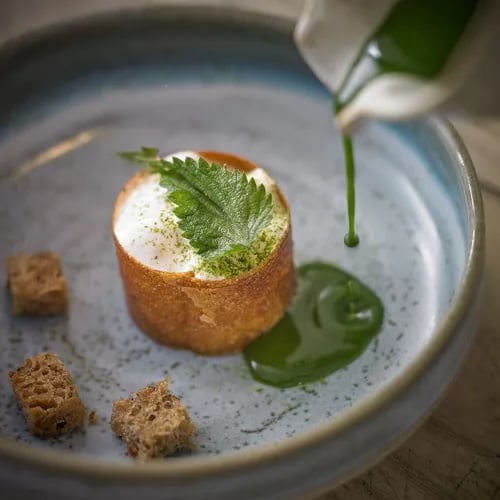
Within the restored cloisters of Saint Lazare Priory at Fontevraud Abbey, Thibaut Ruggeri—Bocuse d'Or 2013 champion and protégé of Michel Guérard and Georges Blanc—orchestrates a one-starred table rooted in biodynamic principles. The menu shifts with lunar cycles and garden harvests, showcasing Loire terroir through Racan poultry and Anjou pigeon. A Michelin Green Star affirms the commitment to sustainable gastronomy within these ancient monastic walls.

★ Michelin
Amid the Coteaux-du-Layon vineyards, chef David Guitton draws on formative years in the United States, Britain, and Monaco to craft a one-Michelin-starred table of quiet intensity. The concise set menu shifts with the seasons, each minimalist plate sourced from small local producers and designed to let pure flavour dominate. Regional wines, including the estate's organic bottlings, complete an experience of focused refinement.

Michelin Selected
A late 19th-century château on the Gratien and Meyer wine estate provides the setting—herringbone parquet underfoot, chandeliers overhead, a working fireplace anchoring the room. The kitchen mines Loire Valley terroir with precision: white asparagus, black truffle, local potatoes, herbs clipped from the garden. Bread is baked in-house; warm madeleines arrive with coffee. Regional dining at its most refined.

Michelin Selected
Perched high above the Loire at Château Le Prieuré, Le Castellane commands sweeping river panoramas from both its Empire-style dining room and sun-drenched terrace. The kitchen works closely with local producers, delivering modern seasonal plates that showcase the valley's bounty. Families find genuine welcome here, with dedicated children's menus, while the legendary cheese trolley lingers in memory long after departure.

Bib Gourmand
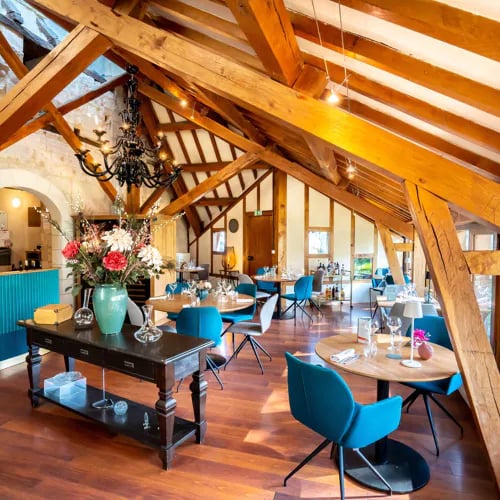
At the foot of Saumur's château, this tuffeau-stone dining room pairs exposed rafters and parquet floors with sheltered patios for warm-weather meals. Chef Anthony Vaillant earns his Bib Gourmand through inventive yet unfussy cooking—think asparagus lifted by citrus, impeccably fresh cod matched with curry and silken purée. The Loire-focused wine list completes an address that rewards those seeking substance over spectacle.

Bib Gourmand
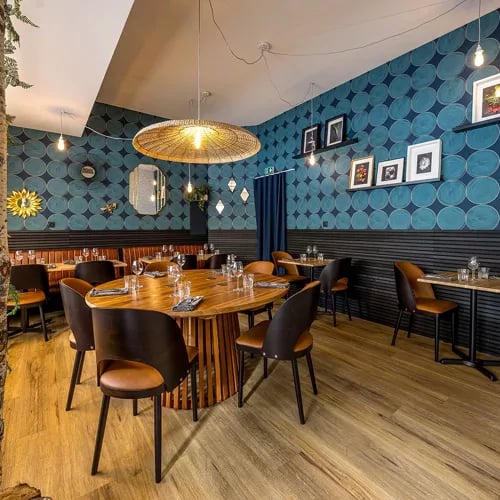
Chef Mickaël Pihours, formerly of Michelin-starred Le Gambetta, runs this Bib Gourmand contemporary cantine on Place Dupetit-Thouars. The two-level dining room, rich with wood accents, positions a table d'hôte directly before the open kitchen. Sharing plates showcase his pared-back philosophy — organic pork loin with aromatic herbs, offal preparations, seasonal vegetables — across a weekly rotating menu built for the convivial table.

Michelin Selected
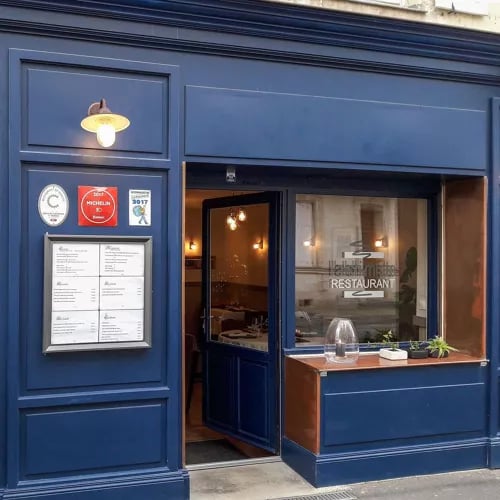
L'Alchimiste draws a loyal crowd to its address on rue de Lorraine, where the kitchen delivers modern French cooking stripped of pretension. The menu favors direct, well-crafted plates—a courgette and goat's cheese flan among the signatures—followed by classically prepared poached pears. Michelin recognition confirms the consistency; local popularity means reservations prove essential for this straightforward neighborhood table.

Michelin Selected
Chef-owner Dominique Dubert honors the gastropub's namesake with impeccable snails bathed in butter, garlic, and parsley, while threading unexpected notes of combava, ginger, and curry through otherwise classical French preparations. The contemporary dining room offers a relaxed backdrop for this interplay of tradition and invention, though summer draws guests to the terrace where meals stretch languidly into the Loire Valley evening.

Michelin Selected
Behind Saumur's theatre, steps from the Loire embankment, this vintage bistro channels old-school charm through marble-topped tables, worn benches, and age-spotted mirrors. The kitchen runs a tight operation built on short supply chains, with Rouge des prés beef commanding the compact menu. Fusion touches inflect the regional produce, making this an appealing stop for travelers seeking substance over ceremony.

Michelin Selected
Behind a striking pistachio-green façade on Place de la Bilange, Colombian chef Marlon Medina—who coached his national team for the 2023 Bocuse d'Or—delivers South American cooking inflected with Loire Valley produce. His picanha arrives with textbook chimichurri, while market-driven ceviche showcases daily catches. Lunch offers a concise French-leaning set menu; dinner pivots to bolder Latin American flavors with local asparagus and wild mushrooms.
Frequently Asked Questions
What is the best area to stay in Saumur for visiting Loire châteaux?
+
The historic centre near Place Saint-Pierre offers walkable access to restaurants and the riverside, while properties in surrounding villages like Turquant or Montsoreau place you closer to major châteaux and the troglodyte wine caves.
When is the ideal season to visit Saumur?
+
May through September brings warm weather for château visits and river activities. The Cadre Noir hosts public performances primarily in spring and autumn, and harvest season in late September offers special access to working wine estates.
Can visitors tour the sparkling wine caves in Saumur?
+
Several major Crémant de Loire producers in the tuffeau cliffs of Saint-Hilaire-Saint-Florent welcome visitors for cellar tours and tastings. The underground galleries, carved from soft limestone, maintain constant temperatures ideal for méthode traditionnelle ageing.
Nearby Destinations
Explore France



Saumur
Saumur rises from the south bank of the Loire, its pale tuffeau stone château visible for miles across the river valley. The old town clusters beneath the fortress walls along Grande Rue and Rue Dacier, where medieval timber frames lean against Renaissance townhouses. This is wine country at its most refined — the surrounding hillsides are honeycombed with troglodyte caves where Crémant de Loire ages in natural cellars, and the Cadre Noir riding academy has trained elite horsemen since 1828.
The dining scene draws on the Loire's bounty: sandre and pike-perch from the river, Fontevraud asparagus in spring, and goat cheeses from nearby Sainte-Maure. Restaurants occupy converted wine cellars and château outbuildings, while the Saturday market fills Place Saint-Pierre with producers from the Anjou hinterland. Hotels range from converted manor houses in the vine-covered slopes of Dampierre-sur-Loire to elegant addresses overlooking the riverfront promenade.